
 简体中文
 Русский
 Français
 Português
 Español
 لالعربية

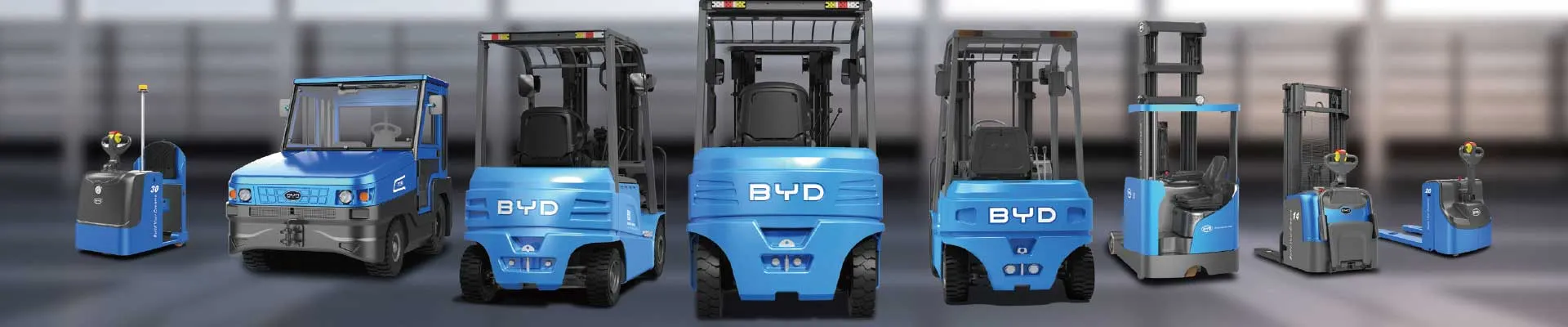
As Kenya’s logistics, manufacturing and e-commerce sectors continue to expand steadily in recent years, the demand for efficient pallet truck fleet management has risen significantly for local enterprises. Many operation teams face frequent budget overruns due to lack of systematic planning for fleet input, which reduces the overall profit margin of material handling links. A scientific and complete budget planning system for pallet truck fleets can effectively avoid unnecessary cost losses, and match the actual operation demand of local scenarios to the maximum extent.
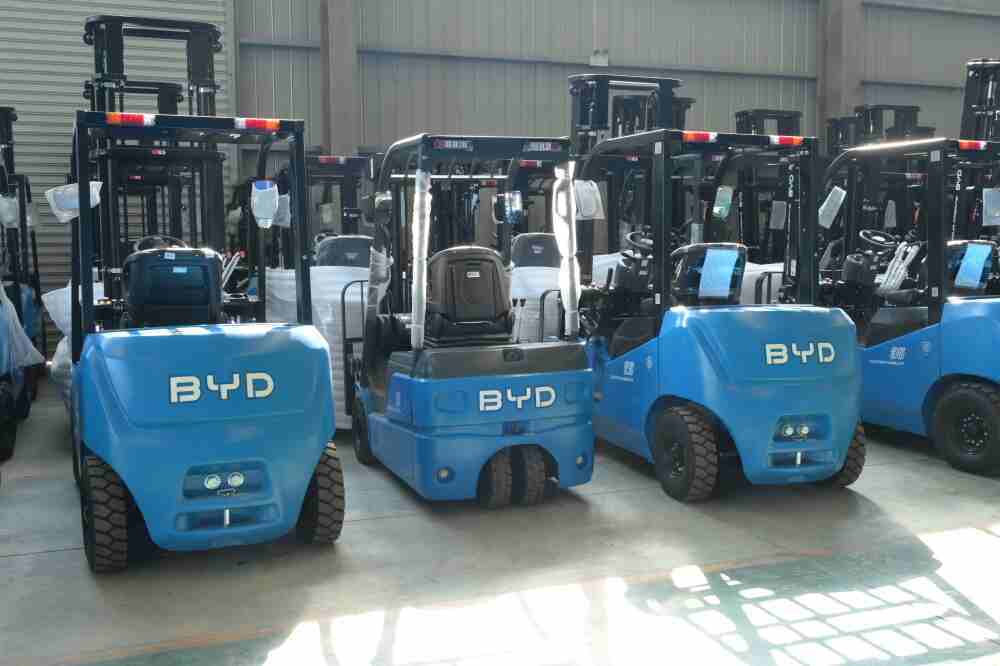
The first step of reasonable budget planning is to complete a full audit of the existing fleet. Operation teams can sort out core data of every pallet truck currently in use, including service life, monthly average working hours, maintenance frequency, energy consumption, and idle rate. It is also necessary to take regional operation features of Kenya into full consideration: pallet trucks operating in coastal port areas face higher humidity and greater load intensity, leading to faster equipment loss, while devices working in inland ordinary warehouses have relatively gentler use conditions. Targeted data sorting can help identify overaged high-loss equipment, and avoid invalid subsequent maintenance investment.
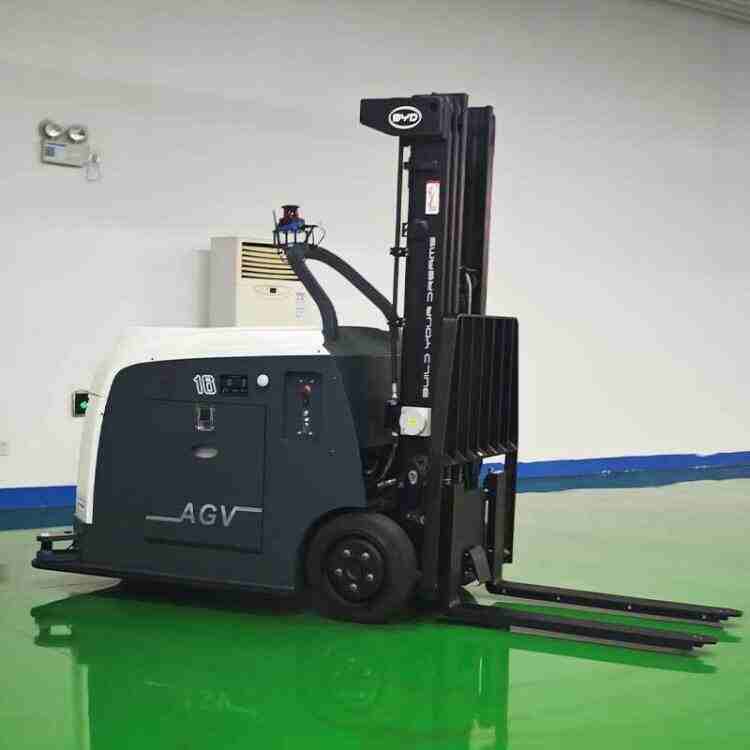
The second step is to divide all related expenditures into rigid and flexible categories for targeted allocation. Rigid expenditures cover necessary equipment renewal procurement, annual compliance inspection fees, and basic operator training costs, which need to be secured first in the whole budget. Flexible expenditures include unnecessary non-functional equipment upgrades, temporary outsourced maintenance services and excess spare parts reserves, which can be dynamically adjusted according to the actual operation situation. It is recommended to reserve around 10% of the total budget as emergency funds, to deal with sudden equipment failures and temporary equipment scheduling needs during peak operation seasons.
The third step is to carry out full-cycle total cost accounting for 3 to 5 years, instead of only focusing on one-time procurement cost. Under the current local electricity subsidy policy in Kenya, the energy consumption cost of electric pallet trucks is much lower than that of traditional internal combustion counterparts, and the total operating cost will show obvious advantage in long-term use. When making budget, teams need to fully calculate all expenditure items including follow-up energy consumption, regular maintenance, and battery replacement after attenuation, to avoid budget gaps caused by only considering short-term procurement price.
If you have any demand for pallet truck fleet budget planning related consulting services in Kenya, you can contact us at any time. We are Jianshu New Energy, focusing on BYD electric forklifts, and our contact email is [email protected].


