
 简体中文
简体中文 Русский
 Français
 Português
 Español
 لالعربية
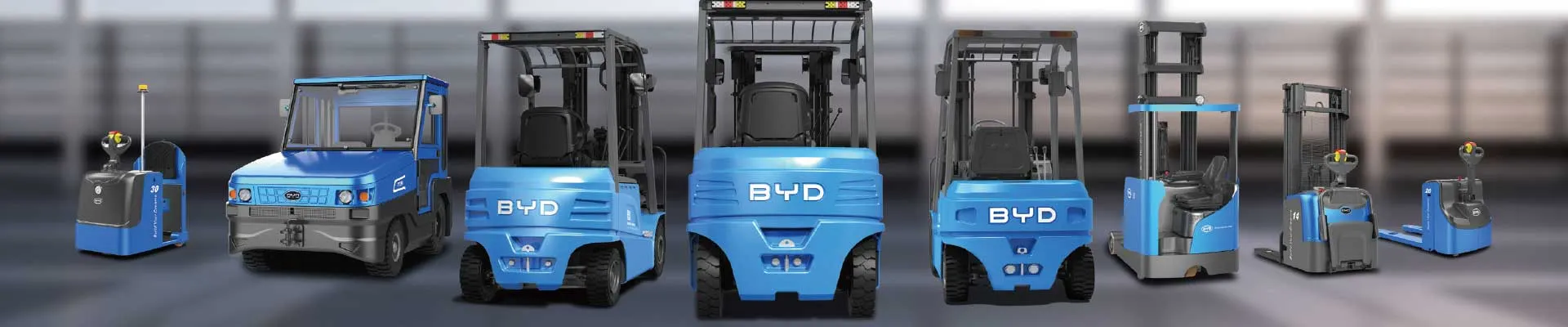
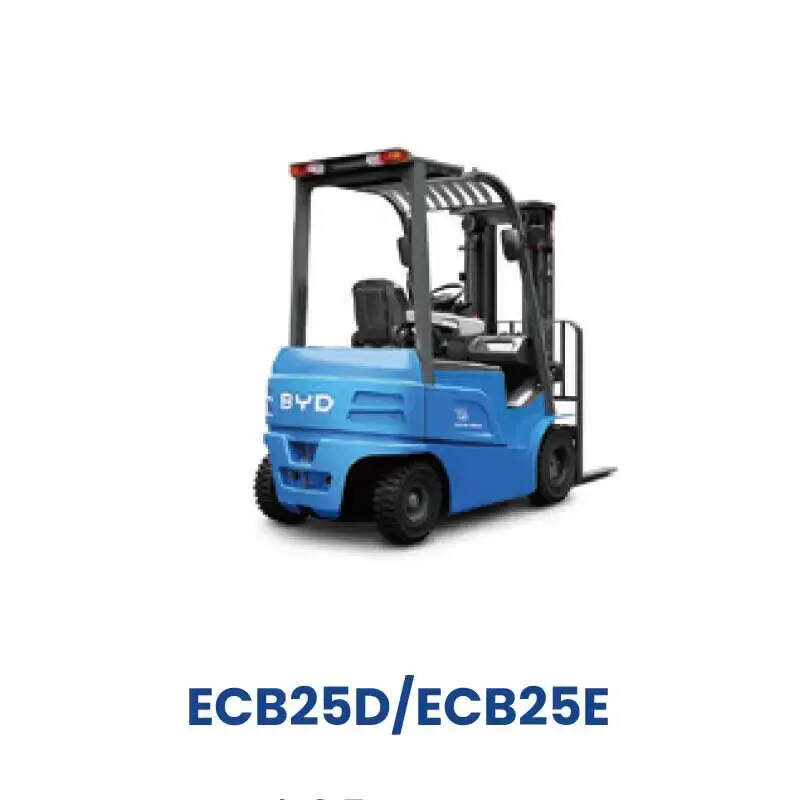
With the continuous development of green logistics systems, electric forklifts have become one of the most widely applied material handling equipment in modern industrial scenarios, and mastering standardized use and scientific management methods can bring considerable practical value for frontline operation teams.
Core Standard Operation Guidelines for Daily Use
Before each startup, operators need to complete a simple routine check, including observing the remaining battery level, testing the brake sensitivity, confirming the normal operation of safety warning lights and reversing alarms, and verifying that no sundries are stuck in the wheel structure. During the whole operation process, operators should avoid overloading beyond the rated load range, keep a stable driving speed in narrow warehouse aisles, reduce sudden steering and sudden braking actions, and avoid long-time working on slopes with excessive inclination, which can effectively reduce unnecessary wear of the core body components. New operators need to receive full professional training before independent operation, to avoid misoperation that may cause equipment damage or safety risks.
Routine Maintenance Measures to Reduce Long-term Consumption
Proper daily maintenance can effectively extend the service cycle of electric forklifts and reduce the overall long-term operating cost. Operators should wipe the dust and residual cargo debris on the body surface every day after finishing work, check the tightness of the electrical connection interface every 1 to 2 weeks, avoid the situation of full load operation after long-term power loss, and do not place the equipment in the environment below minus 10 degrees or above 45 degrees for a long time without corresponding protective measures. The battery module should be charged in a dry and ventilated designated area, and avoid overcharging for more than 2 hours after the battery is fully filled, so as to keep the battery performance in a stable state for a long time.
Scenario Matching Suggestions for Different Industrial Demands
For different application scenarios, management teams can select and configure electric forklifts according to actual demands, to achieve more appropriate use effect. For low temperature cold storage scenarios, supporting parts with low temperature resistance can be selected to avoid the performance attenuation of core components caused by long-term low temperature environment. For outdoor operation scenarios with more floating dust, the waterproof and dustproof grade of the shell can be properly improved to reduce the damage of dust and rain to the internal circuit. For multi-shift continuous operation scenes, the battery with larger capacity can be selected to reduce the waiting time brought by frequent charging.


