
 简体中文
简体中文 Русский
 Français
 Português
 Español
 لالعربية
.jpg "Forklift Safety Tech: Sensors, Telematics and Automation(figure1)")
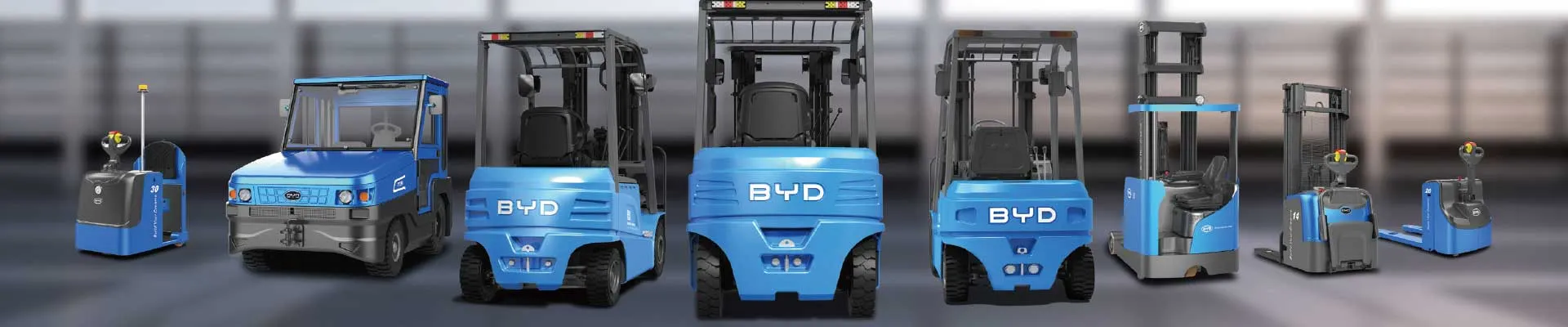
Electric forklifts have become core widely applied equipment in modern industrial and logistics storage scenarios, with advantages of low on-site noise, zero local emission and relatively controllable long-term operation cost. Mastering standardized use and proper maintenance knowledge helps operators reduce operation risks, cut unnecessary equipment loss, and create higher value in daily material handling work.
Core Operating Specifications for Daily Use
Before starting the equipment, operators need to complete a full pre-operation check of key components, including tire wear condition, brake sensitivity, lifting mechanism flexibility, and remaining battery power, to avoid starting the machine with hidden safety risks. During the driving process, keep the load center within the allowable range marked on the official equipment specification, avoid sharp turns and sudden braking actions when carrying heavy loads, and never allow personnel to stand or walk under the lifting fork frame under any working circumstances. When operating in narrow warehouse channels, keep the driving speed at a safe low level, and activate the prompt sound device properly when encountering passing pedestrians to avoid unnecessary collision risks.
Key Regular Maintenance Points
The power battery component is the core maintenance object of electric forklifts. Operators should follow the official supporting charging rules to complete the full charging process in a cool and ventilated environment, avoid over-discharging the battery to less than 20% of total capacity for a long time, and clean the dust and sundries attached to the battery surface regularly to keep the heat dissipation channel unobstructed. For the walking motor and hydraulic power system, arrange certified professional personnel to check the wear degree of transmission parts and the sealing performance of hydraulic pipelines on a monthly basis, replace the special lubricating grease for movable connection parts on schedule, and clean the dust accumulated in the electrical control box every quarter to prevent poor circuit contact caused by moisture or sundries.
Scenario-based Efficiency Optimization Suggestions
For long-time continuous operation scenarios such as large-scale warehouse sorting, you can arrange the backup battery replacement plan reasonably according to the actual operation schedule, to avoid waiting for charging during the peak work period. For cold storage special operation scenarios, you can properly refer to the equipment’s allowed working temperature range to adjust the power output protection status, to reduce the extra power consumption caused by low ambient temperature. For high-lift goods loading and unloading scenarios, operators should adjust the fork distance according to the standard pallet specification in advance to keep the load stable, to avoid extra energy consumption and operation delay caused by repeated adjustment actions during the lifting process.


