
 简体中文
简体中文 Русский
 Français
 Português
 Español
 لالعربية
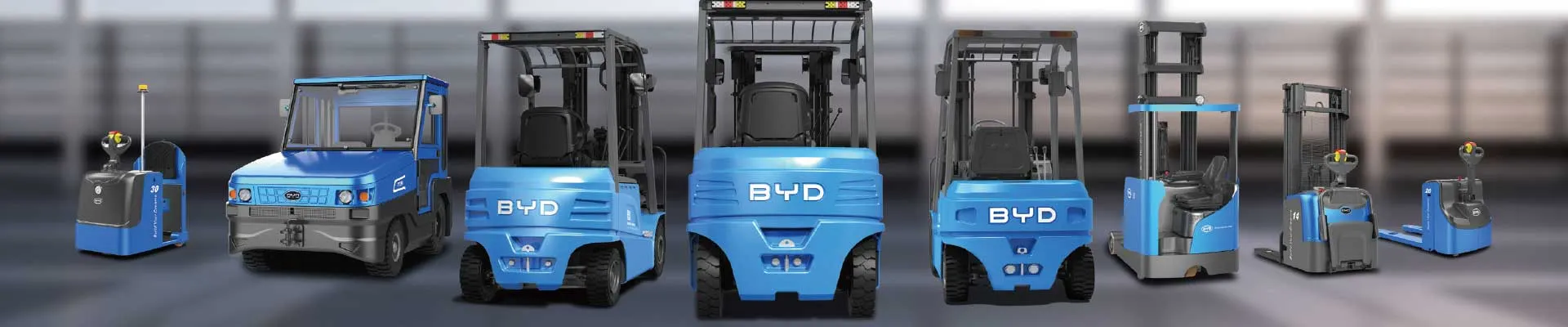
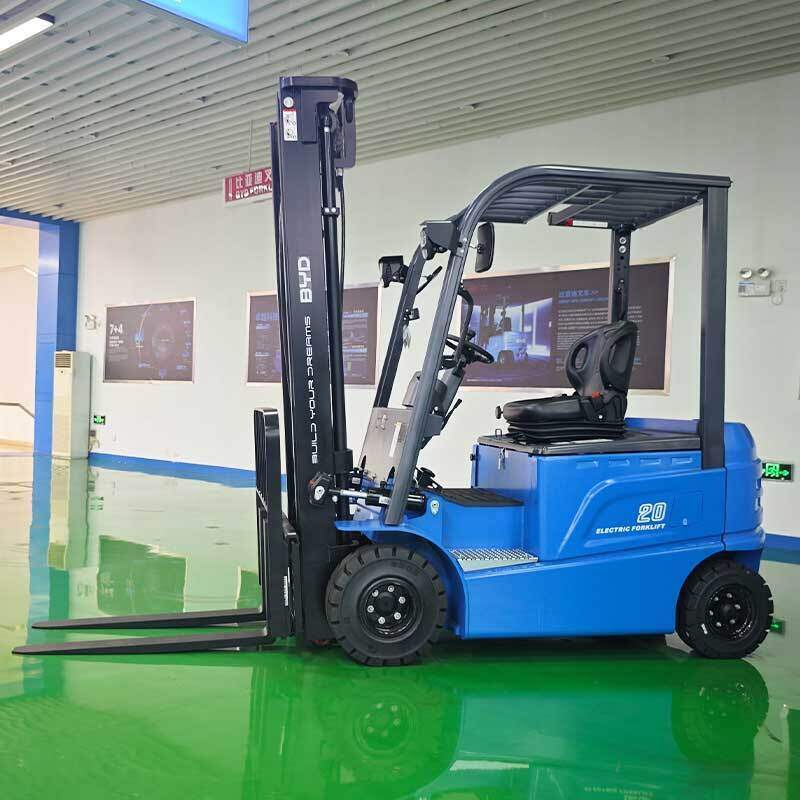
As the low-carbon logistics development trend accelerates across industrial sectors, electric forklifts have become one of the most widely applied material handling equipment in warehouse, manufacturing plant and distribution scenarios, and grasping systematic professional knowledge of its use and management can bring stable value for relevant operation teams.
Core Performance Advantages of Electric Forklifts for Industrial Use
Unlike traditional internal combustion counterparts, electric forklifts run on stored electrical power, produce zero direct exhaust emission during operation, generate far lower running noise, which meets the environmental protection requirements of closed indoor operation sites, and its power output design can match most common material handling demands of 1 ton to 5 ton load range for daily industrial scenarios. The operation and management threshold of this kind of equipment is relatively friendly for most frontline operation teams without extra complicated professional background.
Standardized Daily Operation Specifications
Operators need to receive systematic pre-job training before independent operation, check core status including power residual level, brake sensitivity, tire wear condition and lifting mechanism flexibility before each shift, avoid overloading beyond rated load for a long time, do not operate the equipment on slopes that exceed the design allowable gradient, and cut off the power supply timely after finishing daily operation to avoid unnecessary power loss. Correct operation habits can reduce most man-made unexpected wear effectively in daily work.
Scientific Routine Maintenance Guidelines
Regular maintenance work shall be arranged according to the specified use cycle, clean the dust and sundries accumulated on the surface of power supply components and motor parts regularly, check the connection state of each circuit line to avoid poor contact caused by long-term vibration, replace the worn wearable parts in time according to the actual use loss condition, do not use non-matching parts to modify the equipment structure without professional technical support, which can effectively reduce the probability of unexpected equipment failure.
Energy Efficiency Optimization Methods for Long Term Use
Users can arrange the equipment operation schedule reasonably according to the actual work rhythm, avoid frequent full start and stop in the state of low power remaining, arrange the centralized charging work in the non-working peak period, keep the power core in good use state, which can properly extend the continuous working time of each full charge, reduce the overall operation cost in the whole equipment life cycle. Following the above professional rules can help operation teams give full play to the use value of electric forklifts, support the stable and efficient progress of daily material handling work.


