
 简体中文
简体中文 Русский
 Français
 Português
 Español
 لالعربية
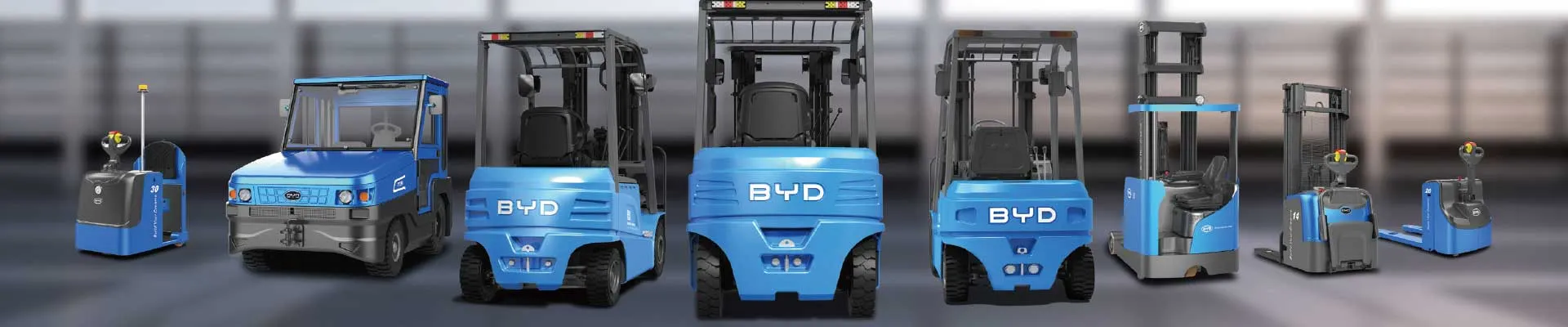
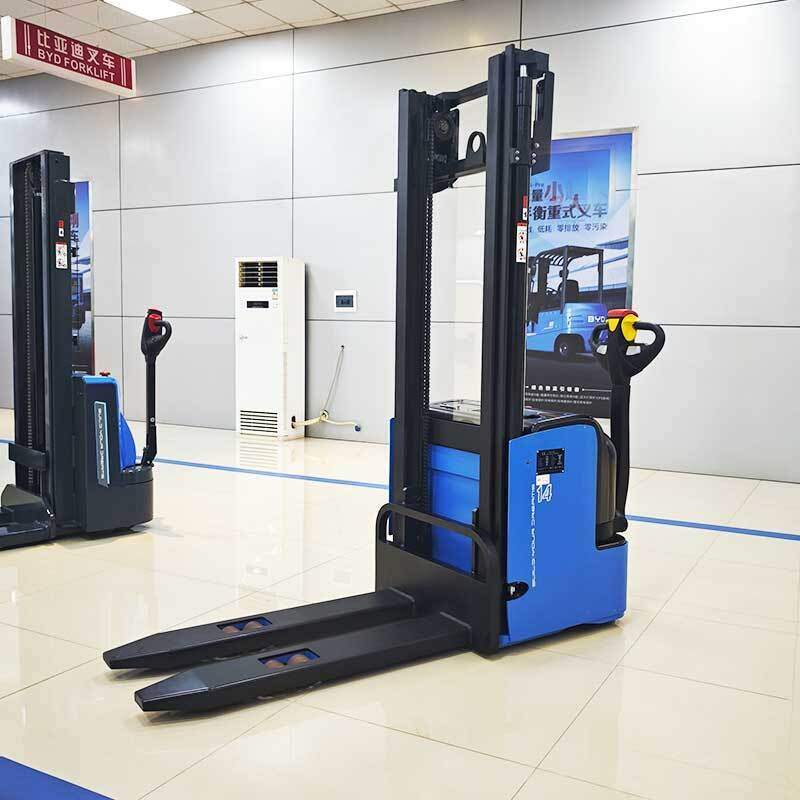
As global logistics and warehousing industries increasingly prioritize low-carbon operation and comprehensive cost control, electric forklifts have become one of the most widely applied material handling equipment in indoor and enclosed working scenarios. This guide shares professional, practical industry insights for frontline operators and facility managers to maximize the value of electric forklift assets in daily work.
Core Performance Advantages of Modern Electric Forklifts
Different from internal combustion counterparts, modern electric forklifts run on stored electrical energy, producing no direct exhaust emission during operation, which fits the environmental control requirements of closed warehouses, food processing workshops and pharmaceutical storage areas. Their operation noise level stays at a relatively low range, reducing long-term noise interference to on-site staff and avoiding potential disturbance to surrounding office areas adjacent to operation sites. The power output of electric units is smooth and adjustable, bringing more stable lifting and moving performance when handling fragile or high-precision cargo that requires gentle operation.
Standard Operation Specifications for Daily Use
Before each shift, operators need to conduct a quick pre-operation check, covering the remaining power level, brake sensitivity, lifting chain tightness and tire surface condition, to rule out potential hidden hazards in advance. During operation, operators need to avoid frequent sudden acceleration or sudden braking, which will cause extra unnecessary consumption to the power module and running components. When the forklift is running with full load, the traveling speed should be controlled within the safe range specified in the official operation manual, and sharp turns are not recommended on wet or slippery ground to avoid side slipping or cargo tipping.
Scientific Routine Maintenance Suggestions
Regularly clean the dust and debris accumulated on the surface of the power unit and motor heat dissipation structure, to ensure the normal heat dissipation effect during long-time continuous operation. Follow the official guidance to complete regular charging operations, avoid long-term over-discharge that may affect the overall service life of the power system. Check the lubrication status of the rotating connection points every 2 to 4 weeks, add appropriate amount of special lubricant according to the actual operation frequency, to reduce the wear of metal contact parts and keep the operation status stable for a longer period.


