
 简体中文
简体中文 Русский
 Français
 Português
 Español
 لالعربية
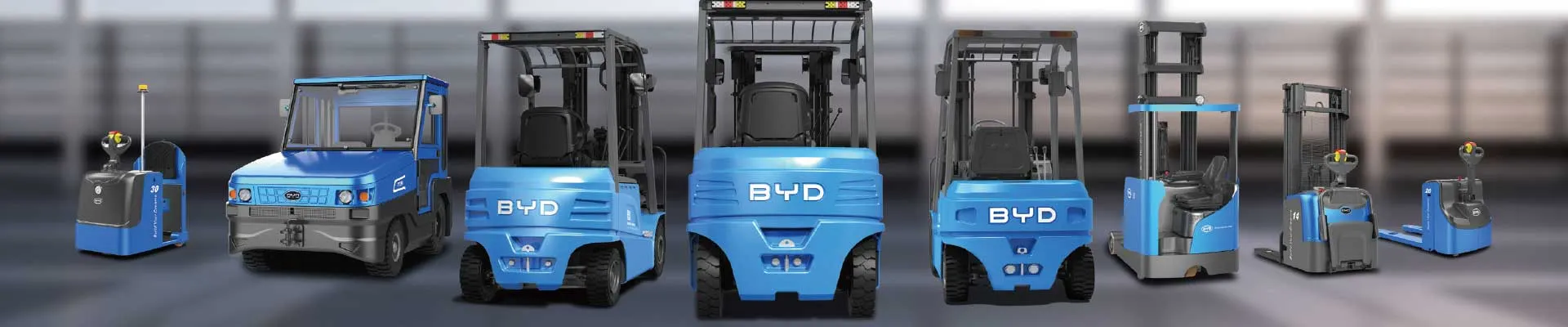
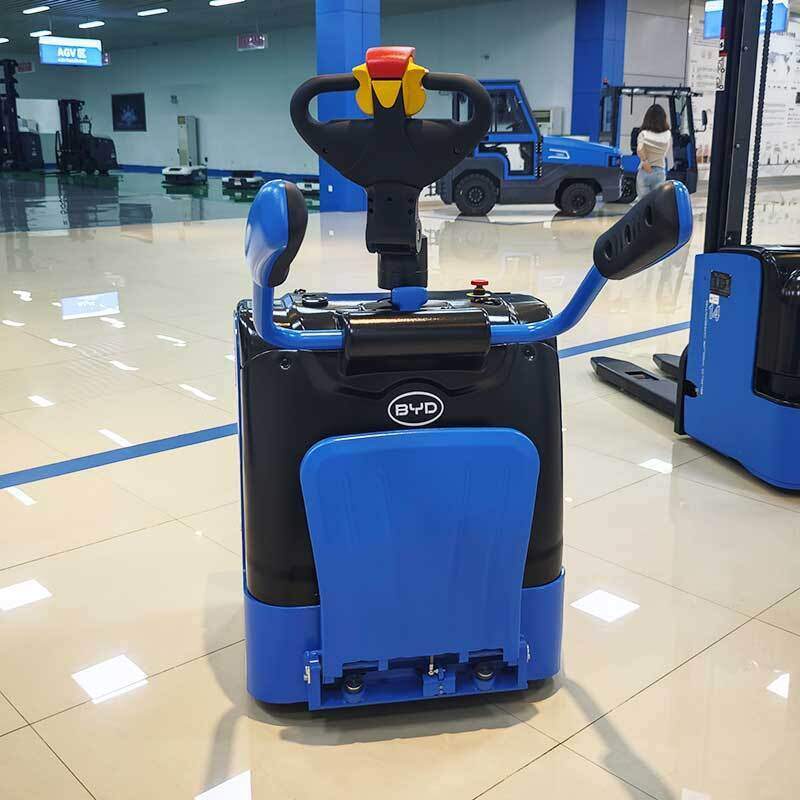
In recent years, with the continuous development of low-carbon logistics and standardized warehouse management, electric forklifts have become one of the most widely used core handling equipment in various industrial scenarios. Many frontline operators and warehouse managers still have insufficient systematic cognition on the proper use and maintenance of such equipment, which may cause unnecessary operation loss.
Core Performance Characteristics of Electric Forklifts
Different from traditional internal combustion handling equipment, modern electric forklifts produce zero on-site exhaust emissions during the whole operation process, with relatively low working noise, which is very suitable for enclosed storage spaces, pharmaceutical processing sites, food production workshops and other scenarios with strict requirements on operation environment. The power output of electric forklifts is relatively stable, the vibration amplitude during operation is small, which can effectively reduce the risk of collision and damage to fragile goods in the handling process. The operation control logic of most models is more user-friendly, so new operators can master basic operation skills after short-term systematic training.
Standard Operation Specifications for Daily Use
Before each startup, operators need to check the remaining battery level, the sensitivity of the brake system, and the surface condition of the fork to confirm there is no obvious deformation or hidden danger. During the operation process, operators shall not exceed the rated load capacity of the equipment, keep a stable driving speed in long-distance moving passages, slow down in advance when turning, and keep the goods facing the upper direction when driving on the ramp. When the equipment is not in use, operators shall pull the handbrake, lower the fork to the position close to the ground, and park the equipment in the designated safe area.
Routine Maintenance Suggestions for Stable Operation
Operators need to clean the dust and stains on the battery surface regularly, follow the official instruction to complete the charging process properly, avoid deep over-discharge and long-term overcharge. It is also necessary to check the hydraulic pipeline regularly for leakage, and confirm that the heat dissipation channel of the driving motor is not blocked by sundries. If the equipment needs to be idle for a long time, staff should arrange regular supplementary charging every week to maintain the activity of the battery unit. Proper operation and standardized maintenance can effectively prolong the service life of the equipment, reduce the long-term use cost, and support the stable operation of daily material handling work.


