
 简体中文
简体中文 Русский
 Français
 Português
 Español
 لالعربية
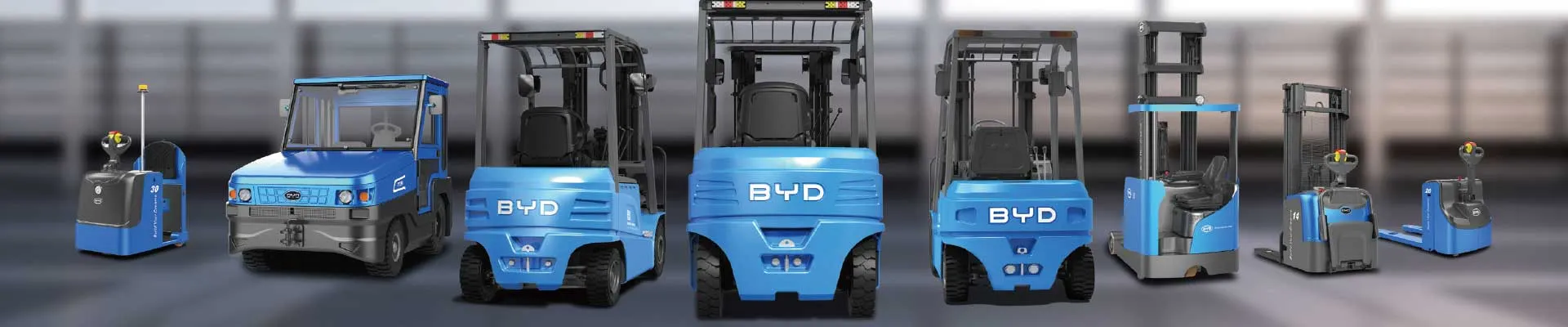
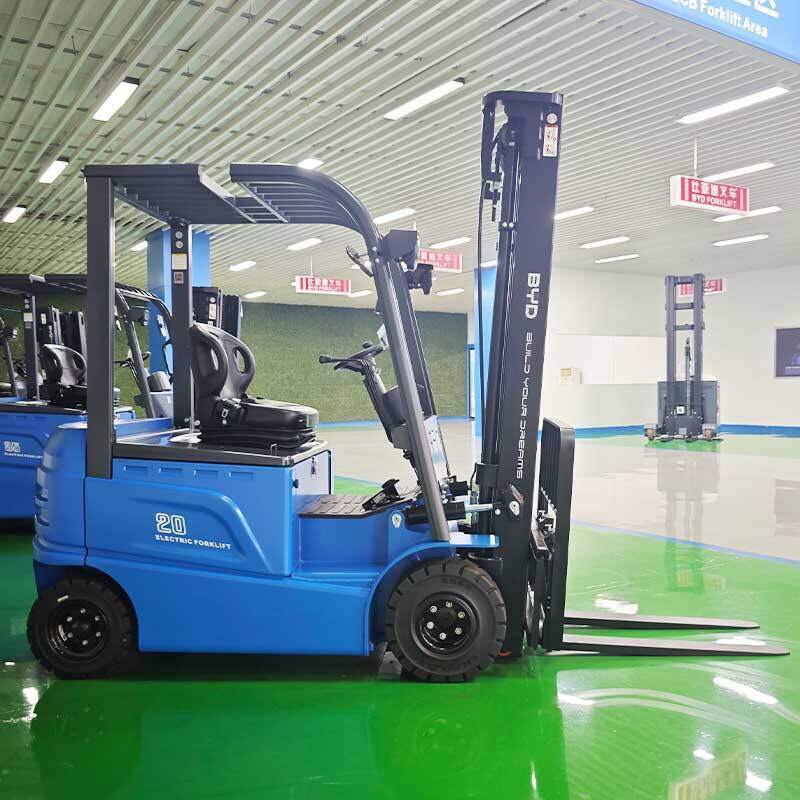
As low-carbon logistics and standardized warehouse operation concepts gain wider recognition across the industry, electric forklifts have become one of the most popular material handling equipment for indoor storage, retail distribution centers and light industrial production workshops in recent years. Unlike traditional internal combustion forklifts, electric forklifts rely on stored electric energy as the power source, with distinct characteristics in operation logic, daily care and scenario adaptation, so systematic mastery of relevant professional knowledge can help operators give full play to the equipment’s inherent advantages for stable long-term use.
Core Application Scenarios and Adaptation Principles
Electric forklifts are mostly suitable for enclosed or semi-enclosed working spaces with strict requirements for exhaust emission and noise control. In daily application, operators can reasonably match the actual load weight, maximum lifting height and the equipment’s rated load range to avoid overloading for a long time, which will cause extra unnecessary loss to the power system and hydraulic structure. For special scenarios such as cold storage and high-humidity warehouses, operators can select corresponding protective configurations according to the actual ambient parameters, to ensure stable operation of core components under special working conditions.
Daily Maintenance Best Practices
Regular daily maintenance work of electric forklifts mainly focuses on power system inspection, moving part lubrication and electrical circuit check. Operators can check the power cell status before each shift, clean the dust and sundries attached to the power module surface, and confirm all connection ports are in stable contact. For the transmission and walking components, regular lubrication according to the actual operation frequency can reduce friction loss between parts, effectively extend the overall service life of the equipment. It is not recommended to carry out disassembly and modification of core electrical components without professional guidance, to avoid potential unnecessary safety risks.
Operation Safety and Efficiency Improvement Tips
Standardized operation habits can effectively reduce the failure rate of electric forklifts and improve the overall material handling efficiency. Operators can plan the traveling route in advance in the working space, avoid frequent sharp turns and sudden braking during the driving process, and pay continuous attention to the surrounding personnel and obstacle conditions when the load is lifted to a high position. For the shift handover link, a clear check record of equipment operation status can help the next operator quickly grasp the working condition, reduce the waiting time caused by unexpected minor faults, and bring stable performance output for long-term daily warehouse operation.


