
 简体中文
简体中文 Русский
 Français
 Português
 Español
 لالعربية
.jpg "How to Prevent Forklift Collisions in Tight Warehouse Aisles(figure1)")
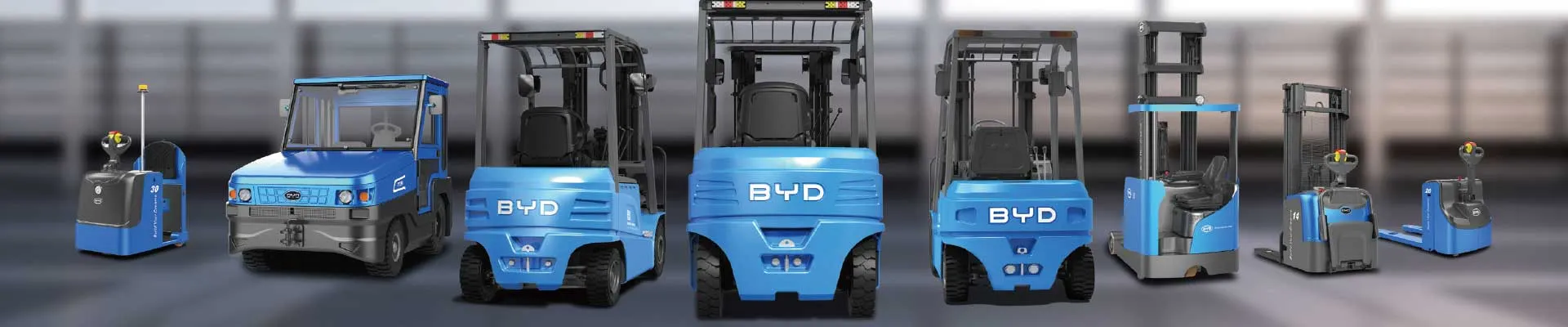
With the continuous popularization of low-carbon logistics solutions, electric forklifts have become one of the most widely used material handling equipment in closed industrial scenes, and mastering correct use and management rules can bring multiple practical benefits for frontline operation teams.
Basic Safe Operation Specifications
In daily use, operators need to receive standardized pre-job training before formally operating the equipment, check the remaining power, brake sensitivity, steering flexibility and fork wear degree before each shift, and adjust the operation mode according to the actual load weight. It is not recommended to operate the equipment with overload for a long time, nor to lift or drop goods at an extremely fast speed, which may easily cause the center of gravity of the whole vehicle to shift and bring hidden safety risks. When driving in narrow warehouse passages, operators need to pay attention to the surrounding personnel and stacked goods, keep a safe distance from obstacles, and avoid sharp turns at relatively high speed.
Cost-effective Routine Maintenance Guidelines
Regular maintenance can effectively reduce the failure rate of electric forklifts, and most daily inspection work can be completed by on-site operation teams without extra professional technician support. Operators should clean the dust and sundries on the surface of the power module and heat dissipation parts after every 50 hours of operation, check the tightness of the connecting lines of the power system, and replenish the corresponding lubricating oil for the transmission and steering parts according to the specified cycle. For the power battery part, avoid deep discharge as much as possible, charge the equipment in a dry and ventilated environment, and do not expose the battery to extreme high or low temperature environment for a long time, which can effectively slow down the attenuation of battery performance.
Scenario-based Efficiency Improvement Methods
For different operation scenarios, the operation team can adjust the configuration parameters of the electric forklift appropriately to obtain better use effects. For the scenes with frequent short-distance handling in small spaces, the equipment can be adjusted to the flexible operation mode to improve the response speed of the steering system. For the scenes with heavy load goods stacked at high positions, the stable operation mode can be selected to ensure the stability of the lifting process. Arranging the operation routes reasonably according to the layout of the warehouse can reduce the no-load driving time of the equipment, give full play to the advantages of low energy consumption of electric forklifts, and further reduce the comprehensive operation cost of the whole logistics link. Following the above rules can help the operation team give full play to the performance of electric forklifts, reduce unnecessary equipment loss, and create more stable value for daily material handling work.


