
 简体中文
简体中文 Русский
 Français
 Português
 Español
 لالعربية
.jpg "How to Communicate Forklift Safety Rules That Get Followed(figure1)")
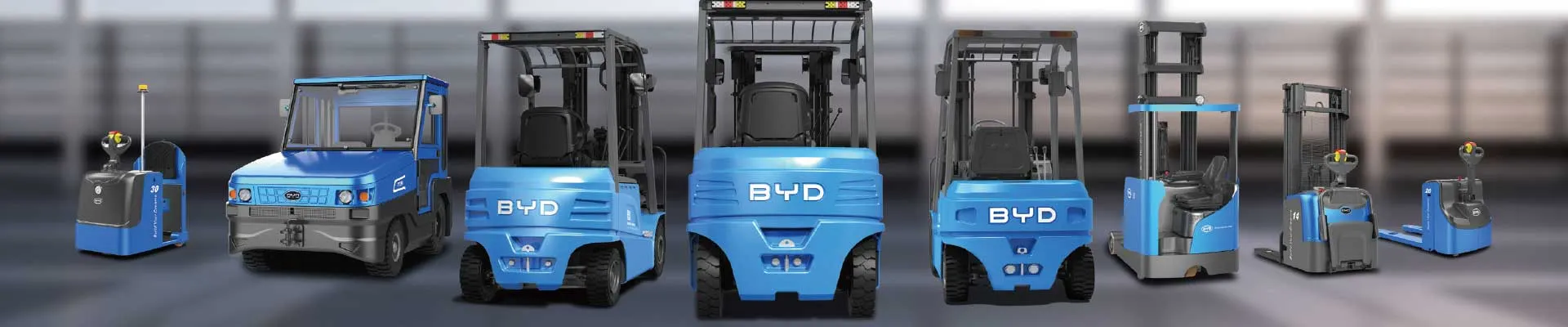
As the global warehouse logistics industry continues to prioritize low-carbon and efficient operation, electric forklifts have gradually become the mainstream choice for indoor and closed-site material handling scenarios, replacing a large share of traditional internal combustion handling equipment. For frontline operators, warehouse managers and related industry practitioners, mastering systematic knowledge of electric forklift application can effectively reduce operational risks and improve overall handling efficiency.
Core Performance Advantages of Modern Electric Forklifts
Different from fuel-powered counterparts, electric forklifts rely on battery packs to provide power output, which produces almost no exhaust emission during operation, making them more suitable for closed indoor environments with strict air quality requirements. The overall vibration and noise level of electric forklifts are relatively lower, which can effectively reduce the physical fatigue of operators after long-shift work, and avoid noise interference to other working areas in the warehouse. The power output curve of electric drive systems is smoother, which can provide more stable torque adjustment during frequent start and stop operations in narrow warehouse aisles.
Standardized Operation Norms for Daily Use
Before starting each shift, operators need to complete a full pre-operation check, including confirming the remaining battery level, testing the sensitivity of lifting and steering functions, and checking the wear condition of tires and braking systems. During the operation process, operators need to strictly follow the rated load limit of the equipment, avoid overloading goods beyond the specified capacity, and keep the load center within the marked range to reduce the risk of side tipping. When the equipment is not in use, operators need to park the vehicle on a flat hard ground, lower the forks to the lowest position, and cut off the main power supply to avoid unnecessary power consumption.
Routine Maintenance Points to Extend Service Life
Regular maintenance work can effectively reduce the failure rate of electric forklifts, and extend the overall service cycle of core components. For the battery system, operators need to follow the correct charging specification, avoid deep discharge as much as possible, and keep the surface of battery packs dry and clean to prevent short circuit risks. For the moving parts such as bearings and sliding rails, regular lubrication treatment is required according to the specified cycle, to reduce wear caused by long-term friction. The whole vehicle circuit system needs to be inspected regularly to remove accumulated dust in time, to avoid aging of wiring harness caused by long-term high temperature operation.
Scenario-Based Deployment Optimization Strategies
When arranging electric forklifts for different operation scenarios, the management team can select corresponding equipment configurations according to the actual average handling weight, aisle width and operation duration. For short-distance frequent handling scenarios in small warehouses, compact body configurations can effectively improve the passing efficiency in narrow aisles. For high-intensity multi-shift operation scenarios, reasonable scheduling of charging time and backup equipment can ensure the continuous operation of the whole logistics process.


