
 简体中文
简体中文 Русский
 Français
 Português
 Español
 لالعربية
.jpg "Behavior-Based Forklift Safety: Coaching, Not Just Rules(figure1)")
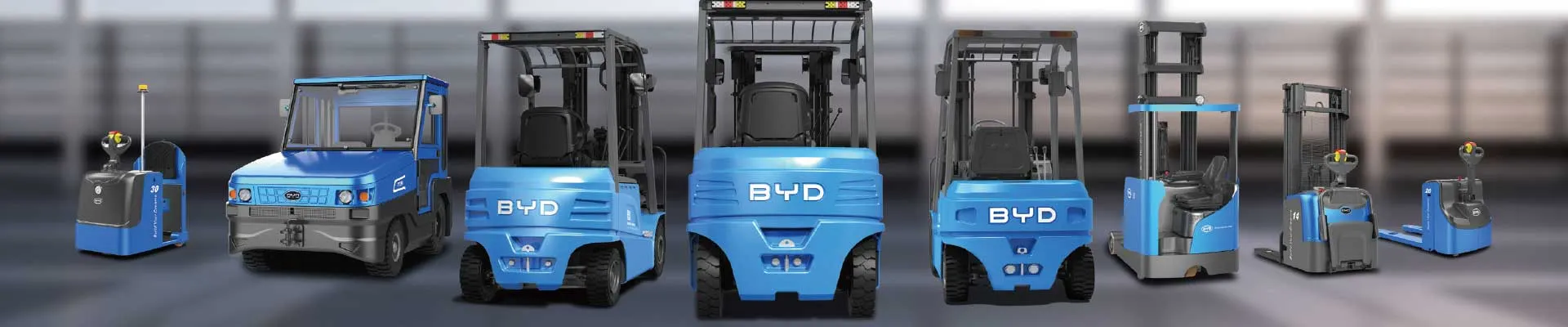
With the continuous development of green logistics concepts around the world, electric forklifts have become one of the most widely used material handling equipment in various industrial storage scenarios in recent years. Mastering professional knowledge related to electric forklift operation, maintenance and scenario matching can help relevant practitioners give full play to the value of such equipment in daily work.
Core Performance Features of Electric Forklifts
Different from traditional internal combustion handling equipment, electric forklifts rely on electric power drive, which produces no local exhaust emissions during operation, and is suitable for closed or semi-closed warehouse, food storage, pharmaceutical storage and other scenarios that have high requirements for air environment. The overall operation noise of standard electric forklifts is relatively low, which can reduce the interference to the working environment of surrounding staff, and the driving and lifting process presents smoother performance, which reduces the risk of accidental collision and damage to fragile goods during handling. The power consumption of electric forklifts is relatively easy to calculate and control, which helps enterprises make reasonable budget plans for daily operation costs.
Standard Operation Specifications for Daily Use
Before each formal operation, the operator needs to complete the pre-operation inspection work, including checking the remaining power level, braking system sensitivity, warning light normal operation state and tyre wear degree. During the operation, the load weight shall not exceed the nominal load range of the equipment, avoid sharp steering under heavy load state, keep a stable low speed when driving on the ramp, and do not park the equipment at will on the slope to avoid safety risks. After the daily operation is completed, the equipment shall be parked in the designated safe area, the fork shall be lowered to the low position, and the power supply shall be turned off properly. New operators need to receive sufficient systematic training before independently operating the equipment, to reduce misoperation that may cause unnecessary component loss.
Routine Maintenance Suggestions for Long Term Use
In the daily maintenance process, staff can regularly clean the dust on the surface of the power interface to keep the connection state stable, follow the standard charging process, and avoid frequent deep discharge of the power unit to prolong the service life of the core power components. The sealing parts of the hydraulic lifting system can be checked regularly for leakage, and the aged wearing parts can be replaced in time. It is not recommended to disassemble the original safety protection device of the equipment without permission, and arrange professional personnel to conduct overall performance detection of the equipment regularly. Scientific application and maintenance of electric forklifts can effectively help the storage system optimize the material handling process, improve the overall operation efficiency of the warehouse, and control the comprehensive operation cost at a reasonable level.


