
 简体中文
简体中文 Русский
 Français
 Português
 Español
 لالعربية
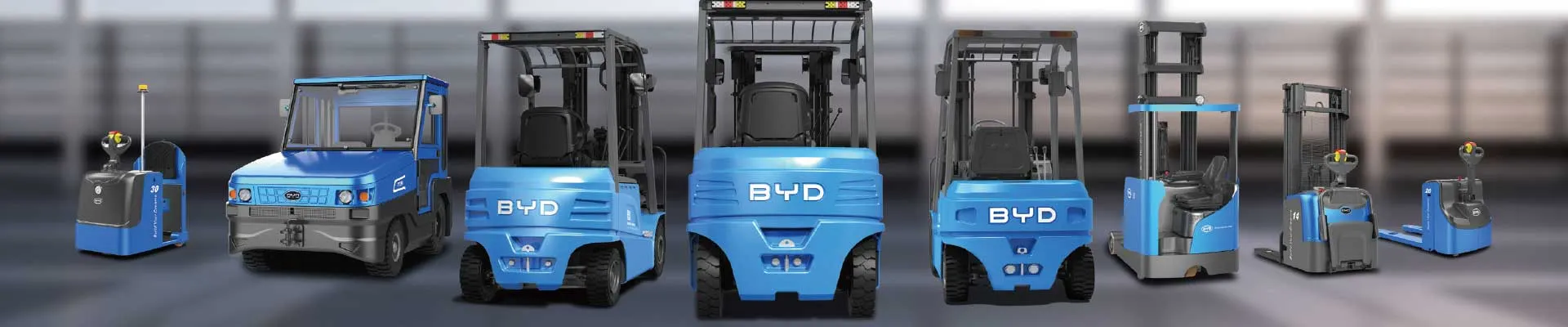
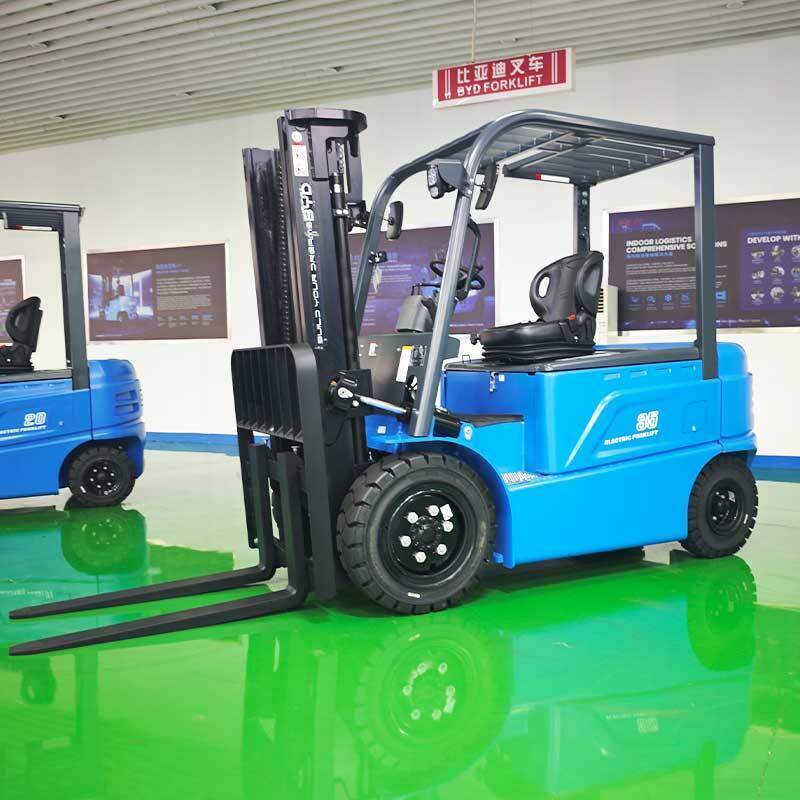
For new warehouse hires who just start working with electric forklift units, mastering standardized safe-loading practices is the core premise to avoid workplace collisions, load dropping and unnecessary equipment damage. Unlike internal combustion forklifts, electric forklifts operate with smooth, instant torque output, which requires operators to follow strict loading protocols to maintain stable operation status at all times.
First, complete full pre-loading routine checks before you carry out any formal loading task. Check the residual battery power of the electric forklift to ensure it can support the full shift of loading operation without sudden power loss on the midway. Verify the integrity of fork arms, overhead guard and load backrest, and confirm no deformation or crack appears on the load bearing components. Next, check the official rated load capacity label on the forklift body, and never attempt to carry goods that exceed the marked maximum load weight, even if you think the extra weight is very small. Measure the size and gravity center position of the to-be-loaded goods before lifting, and make sure the gravity center falls within the standard load center distance range specified for the corresponding forklift model.
Next, follow correct loading operation rules through the whole process. When you pick up goods from the ground or the storage shelf, adjust the fork distance to match the bottom pallet structure of the goods, make sure two fork arms bear even weight of the whole load, do not use single fork to lift heavy goods at any time. Lift the load 10 to 15 centimeters above the ground before you move the forklift, tilt the fork frame slightly backward to make the load closely lean against the load backrest, which can effectively prevent the goods from slipping off during movement. For bulk loose goods that are not fixed by pallets, use binding straps or special loading clamps for reinforcement before lifting, do not stack scattered goods higher than the allowed height to avoid potential falling risk.
Then, pay attention to on-site loading environment precautions. Before you drive the loaded electric forklift, clear the operation route, confirm there are no obstacles, passing pedestrians or slippery ground on the travelling path. Do not lift or stack goods on the uneven warehouse aisle, and never stand under the lifted forks to adjust goods position even for temporary check. When you unload goods to the designated storage shelf, lower the load slowly to the support surface, confirm the whole goods are placed stably before you pull out the fork arms horizontally, avoid scraping the shelf structure or damaging the goods in the pulling process.
All new warehouse hires need to complete repeated practical drills under the supervision of experienced certified operators before they carry out independent loading tasks. Mastering these regular safe-loading practices can effectively reduce operation risk, extend the service life of electric forklift equipment, and maintain a stable, safe working environment for all on-site warehouse staff.


