
 简体中文
简体中文 Русский
 Français
 Português
 Español
 لالعربية
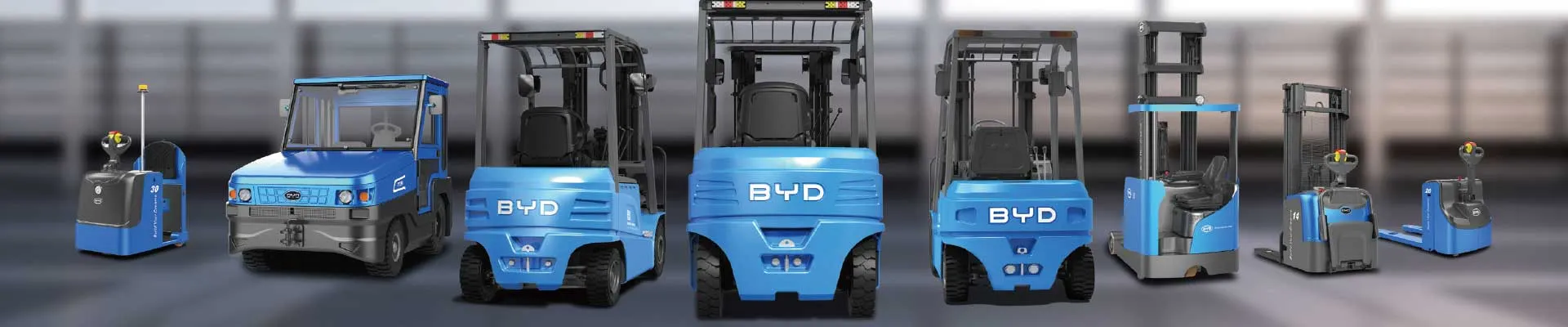
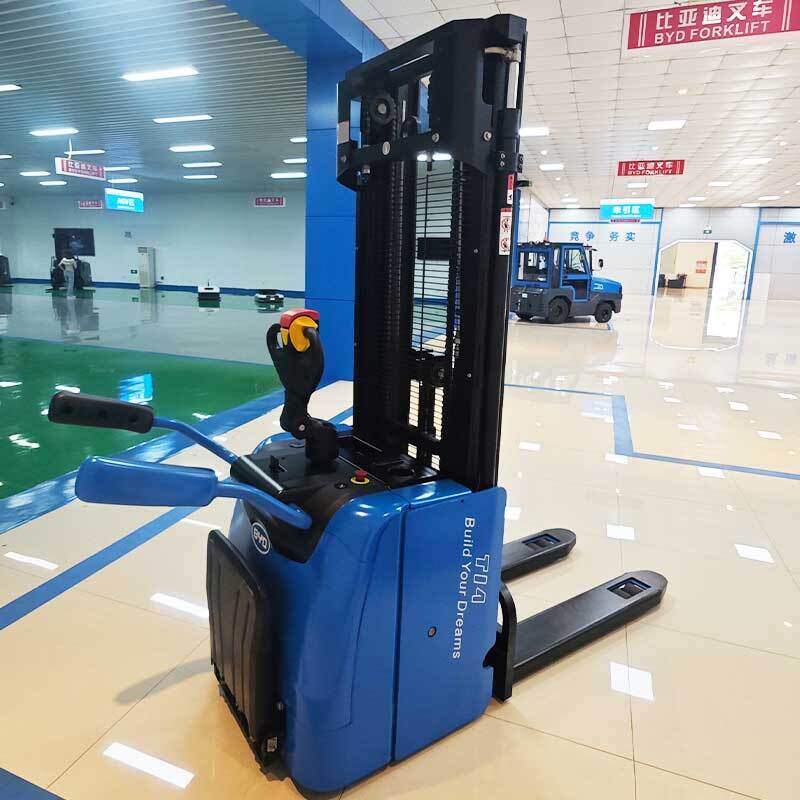
For enterprises that introduce electric forklifts as core material handling equipment, safety feature verification in the procurement stage is a core link to avoid hidden operation risks in subsequent daily use, rather than only focusing on load capacity, operation cost and battery life. Comprehensive and systematic safety feature check can effectively help the operation team reduce the probability of safety accidents, and make the equipment operation process fully comply with local industrial safety management specifications.
First, it is necessary to check the active operation safety configuration. The active protection features that take effect during daily operation include the adjustable travel speed limit system, which can automatically limit the maximum driving speed according to different operation scenarios such as narrow aisles or crowded personnel areas. The independent emergency stop button that can be triggered from both the operation position and the side of the vehicle body should also be checked to confirm that it can cut off all power output within the designated response time. In addition, the visibility optimization design around the mast and the top guard frame should be verified, to ensure that the operator can clearly observe the surrounding environment without visual blind spots when carrying goods at high positions.
Second, the passive protection mechanism needs to be fully verified. The overload protection feature should be tested to confirm that the equipment will automatically trigger an alarm and refuse to perform the lifting action when the actual load exceeds the rated load value. The anti-tilt protection structure of the vehicle body, the reliable operator restraint system, and the anti-slip design of the operation platform are all essential safety items. For models used in ramp operation scenarios, the slope anti-slip brake function also needs to be checked to avoid accidental sliding when the vehicle stops on the ramp.
Third, the safety features of the battery and electrical system, which is the core component of electric forklifts, must be checked. It is necessary to confirm that the whole system is equipped with complete overcharge, over-discharge and short-circuit protection mechanisms. The waterproof and dustproof rating of the electrical connection parts should meet the applicable standards of the actual operation site, to avoid safety hidden risks caused by dust splashing or liquid contact during long-term use. The built-in battery thermal management system can maintain the working temperature within a safe and stable range under different ambient temperature conditions, to ensure the continuous and safe operation of the equipment.
Finally, the supporting safety related configurations should not be ignored. The surrounding pedestrian detection and automatic prompt alarm function, the reserved regular safety fault diagnostic interface, and the complete supporting operation safety guidance materials are all practical safety features that can help the team carry out daily safety management work smoothly. After completing all the above checks, the selected electric forklift can match the actual safety demand of the enterprise to the maximum extent, and build a solid foundation for the long-term stable and safe material handling operation.


