
 简体中文
简体中文 Русский
 Français
 Português
 Español
 لالعربية
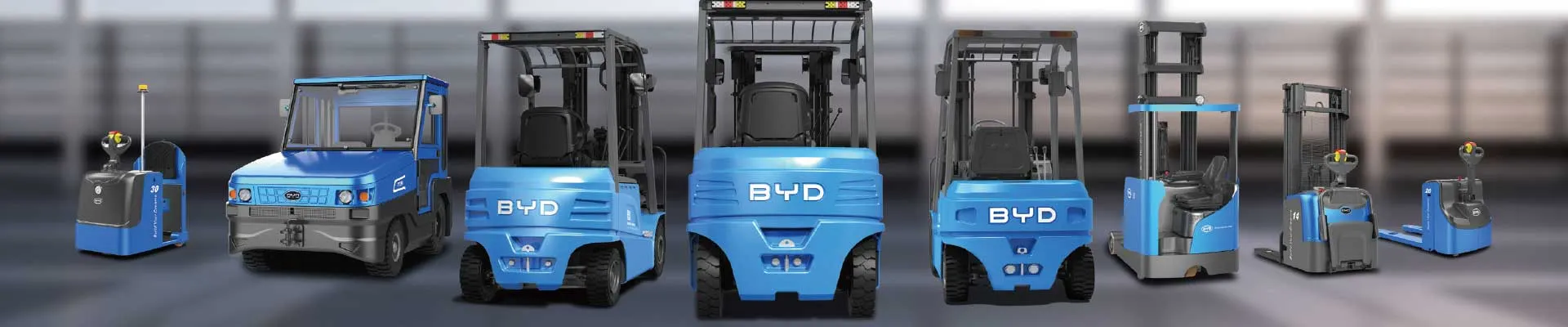
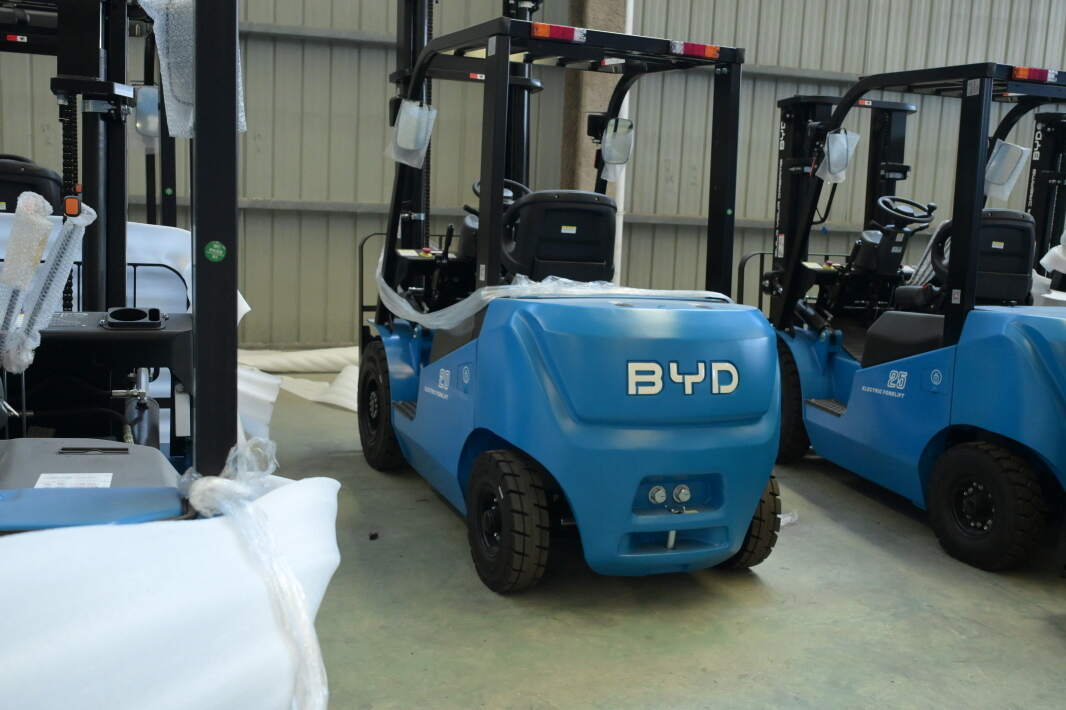
For facilities running lithium forklift fleets on multi-shift continuous schedules, planned during-shift charging sessions eliminate the need to swap heavy full battery packs, cutting downtime and boosting overall operational efficiency, but unregulated charging practices introduce avoidable safety risks that can disrupt daily workflow. Implementing uniform, easy-to-follow charging protocols helps all on-site operators build consistent safe operation habits without adding unnecessary work burden to daily material handling tasks.
Before starting any during-shift charging session, the assigned operator must complete a three-step pre-charge check that takes no more than 60 seconds. First, inspect the lithium battery exterior for visible cracks, swelling, liquid leakage or overheating marks that feel excessively warm to touch. Second, verify the charging station’s surrounding area is clear of flammable packaging materials, loose plastic wrap, stray wooden pallets and any other combustible objects, with at least 1 meter of clear space around the charging port and unit. Third, confirm the charging cable and connector show no signs of exposed wiring, bent pins or water residue before inserting the plug firmly into position.
During the 15 to 30 minute partial top-up charging process that meets the power demand of the remaining shift runtime, staff must not leave the forklift completely unattended for extended periods. Designate a nearby work position that allows the assigned operator to check the charging indicator status at least once every 5 minutes, and avoid stacking any heavy objects on top of the lithium battery cover or placing the forklift’s load forks under high tension while connected to the power supply. Staff must not attempt to open the battery housing or use uncertified adapters to adjust charging parameters for faster speed, as improper modification will break the integrated safety protection structure of the battery unit.
Once the battery reaches the required charge level for the rest of the shift, power off the charging station first before disconnecting the connector gently, then place the protective dust cap back on the battery port to prevent dust or moisture contamination. If any abnormal situation including unexpected overheating, smoke or error code pop-up appears during the whole process, staff must cut off the main power supply immediately, move the forklift to the pre-designated isolated open area at least 5 meters away from other operating assets, and notify the on-site safety management team to conduct professional inspection, rather than attempt to handle the abnormal fault without proper training.
Facility management teams should arrange regular safety refresh training for all forklift operators on a monthly basis, and post clear illustrated reminder posters at every dedicated charging station to reinforce correct operation habits. Following these standardized during-shift charging guidelines will help teams maintain steady continuous forklift operation, reduce unnecessary safety hazards, and extend the overall service life of the lithium forklift power units.


