
 简体中文
简体中文 Русский
 Français
 Português
 Español
 لالعربية
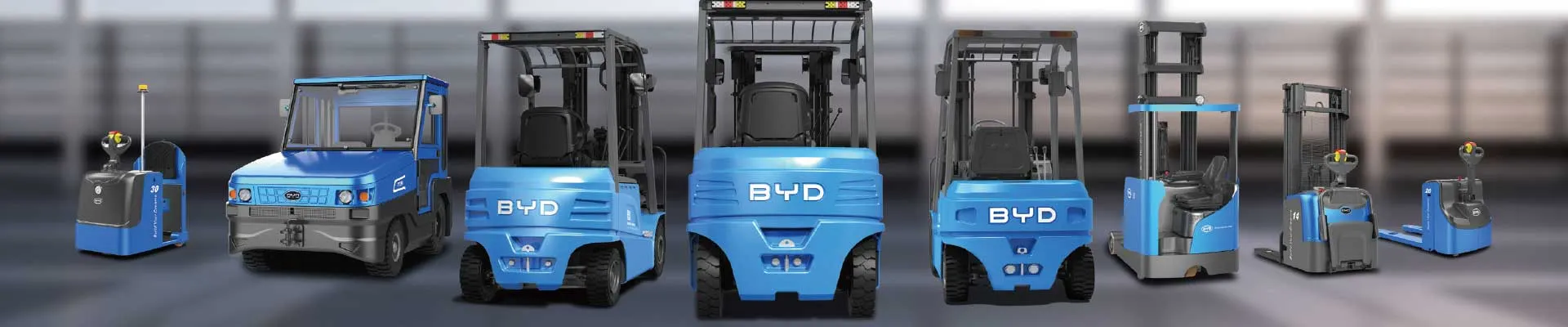
.jpg "Electric pallet jack versus electric pallet stacker: purchase cost and capability for small buyers(figure1)")
For small warehouse operators, retail backroom managers and small logistics site supervisors, selecting suitable electric material handling equipment is a key step to optimize daily operation efficiency without breaking the limited budget. Many first-time small buyers often feel confused about the functional and cost differences between electric pallet jack and electric pallet stacker, and may make improper purchase decisions that cannot match their actual operation demands.
When talking about purchase cost, the entry-level electric pallet jack generally has a more friendly initial purchase price for small buyers. Its structure focuses on stable horizontal traveling, basic load bearing and low lift function, without extra high-lift hydraulic assembly and related control modules. For subsequent daily operation, its daily power consumption, wearing part replacement cost and regular maintenance cost are also kept at a relatively low level, so the total holding cost within the full service cycle is easy to be accepted by buyers with limited working capital. For electric pallet stacker, the extra high-lift structure, matched safety protection components for high-position operation will push up the initial purchase cost to a certain extent, and the later maintenance of the lifting system also needs corresponding cost input.
As for actual working capability, electric pallet jack is mainly designed for long-distance horizontal pallet transportation, its general low lift height only meets the demand to separate the pallet from the ground for moving. It is very suitable for scenarios that do not need stack goods to high positions, such as moving pallets between unloading area and storage area on the same floor, handling frequent short-distance cargo transfer in small distribution sites. Its operation learning threshold is quite low, most on-site staff can master the operation skills after simple guidance. The electric pallet stacker retains the basic horizontal moving function, and can lift the loaded pallet to 2 meters to over 3 meters height, to finish the work of placing or picking goods on high shelves. It is a proper option for small buyers who have limited storage space and need to use vertical shelf space to expand total storage capacity.
Before making the final purchase decision, small buyers are suggested to sort out their actual operation demands first, confirm the average daily handling distance, maximum required lifting height, daily operation frequency and budget range, then choose the equipment type that best matches their own situation, to get the ideal return of investment.


