
 简体中文
简体中文 Русский
 Français
 Português
 Español
 لالعربية
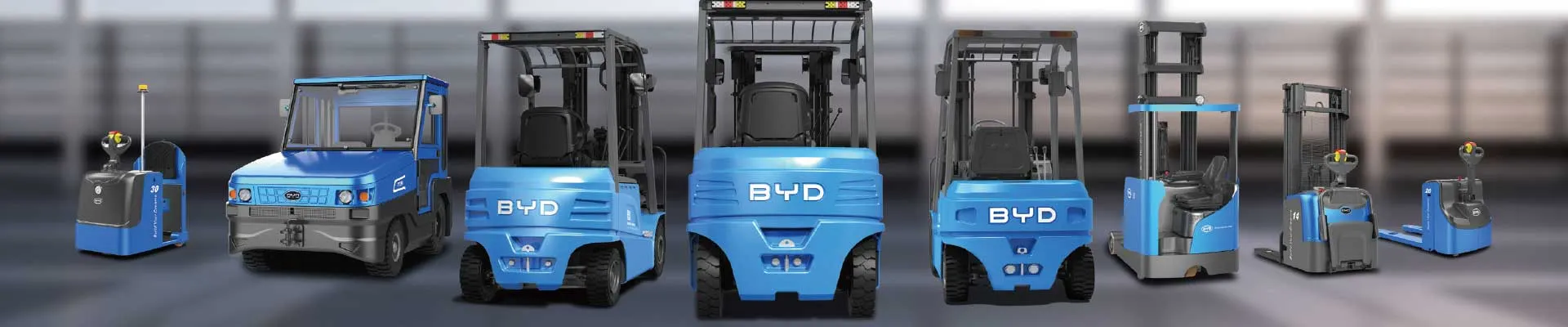
.jpg "Electric forklift operator fatigue-management practices for shift work(figure1)")
Shift-based operation is widely adopted in modern warehouse and logistics scenarios to make full use of facility space and meet continuous delivery demands. Electric forklift, as core material handling equipment, requires operators to maintain high concentration for long periods to avoid collision, material drop and other safety incidents. For operators on rotating or long-duration shifts, accumulated fatigue will directly reduce reaction speed, damage judgment accuracy, and bring hidden risks to both personal safety and overall operation stability. Implementing systematic, human-centered fatigue management practices can effectively mitigate such risks without affecting normal operation rhythm.
Before each shift starts, teams can carry out simple pre-shift status checks for every electric forklift operator. The check does not require complex procedures, and can be completed through 1 to 2 minutes of self-report and simple inquiry. Management teams should avoid arranging consecutive shifts that exceed local labor regulation requirements, and reserve no less than 10 hours of rest interval between two adjacent shifts. Any operator who reports insufficient rest or persistent drowsiness before the shift can be assigned to non-driving auxiliary positions temporarily, instead of being forced to take forklift operation tasks.
During the shift operation process, set up regular mandatory rest nodes for electric forklift operators. It is recommended to arrange 10 to 15 minutes of break every 2 hours of continuous operation. Operators can park the electric forklift at the designated safe zone during the break, do gentle stretching movements to relieve muscle soreness in the neck, shoulders and limbs, and take appropriate water supplement. Unlike internal combustion forklifts, electric forklifts produce far less vibration and noise during operation, which can reduce physical consumption of operators to a certain extent, but such advantage can not replace necessary active rest. Management teams should not set unreasonable full-load operation indexes to prevent operators from skipping break time for task progress.
For teams that implement rotating shift system, set reasonable transition buffer period for shift adjustment. When operators switch from day shift to night shift, arrange at least one full day of rest for them to adjust their circadian rhythm, to avoid sudden work schedule change leading to severe sleep insufficiency. The dedicated rest area for night shift staff should be equipped with soft lighting, quiet environment and appropriate warm food supply, to help operators recover energy quickly during breaks. In the long term, teams can organize regular targeted training for electric forklift operators, to help them identify early fatigue signals including distraction, slow response and repeated small operation errors in time, and encourage them to report status problems actively. Such transparent, supportive fatigue management mechanism can build a safer and more friendly working environment for all front-line material handling staff.


