
 简体中文
简体中文 Русский
 Français
 Português
 Español
 لالعربية
.jpg "Safe Forklift Speeds by Zone: Loading Bays, Aisles and Ramps(figure1)")
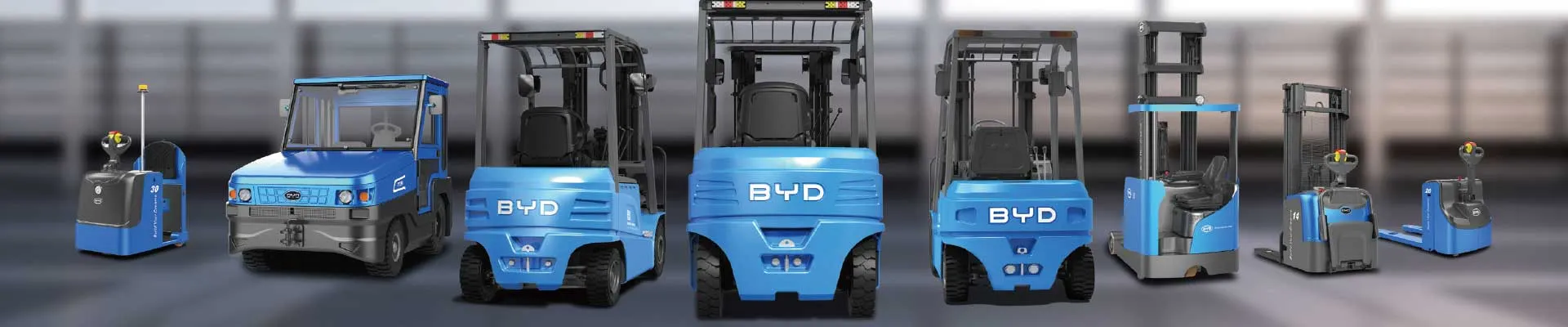
Against the background of low-carbon transformation in modern logistics and manufacturing industries, electric forklifts have gradually become one of the most widely used core material handling equipment in indoor and closed operation scenarios. Compared with internal combustion counterparts, such equipment features lower noise emission, no tail gas pollution, and relatively flexible operation threshold, which can adapt to diversified handling demands from small parts sorting to heavy pallet stacking.
Core Safe Operation Specifications
Before the official start of each shift, operators need to complete basic pre-operation checks, covering the status of brake systems, lifting fork wear, battery power level and emergency response switch sensitivity. During the operation process, operators should avoid sudden acceleration or sharp turns, keep proper distance with surrounding personnel and goods, and strictly control the load weight within the rated range marked on the equipment body. For high-lifting operation scenarios, personnel are not allowed to stand under the lifting gantry for unrelated activities, to avoid potential safety risks caused by accidental falling of goods or components. Operators should also receive formal professional training before independent operation, to get familiar with the basic performance and operation logic of the equipment.
Scientific Routine Maintenance Rules
Daily maintenance of electric forklifts does not require overly complicated professional operations, but standardized regular inspection can effectively extend the overall service life of the equipment. The battery module, as the core power component, needs to be charged in a dry and ventilated dedicated area, avoid over-discharging to less than 20% of the total power, and regularly clean the accumulated dust on the surface of the battery compartment to avoid poor heat dissipation. The walking and lifting transmission parts need to be added with professional lubricant on a regular cycle, and the worn sealing parts should be replaced in time when signs of oil leakage appear, to reduce the failure rate of the equipment during high-frequency operation.
Scene Adaptation Optimization Suggestions
In different actual use scenarios, users can adjust the operation mode and maintenance cycle of electric forklifts according to the actual working intensity. For low-frequency use scenarios such as small retail warehouses, the regular inspection cycle can be extended appropriately on the premise of ensuring pre-shift checks. For high-intensity continuous operation scenarios such as large distribution centers, users can arrange staggered charging plans for multiple units, to avoid operation interruption caused by centralized power exhaustion. Reasonable configuration of corresponding attachment accessories can also expand the application scope of the equipment, to meet the handling demands of special-shaped goods such as soft bags and circular rolls.


