
 简体中文
简体中文 Русский
 Français
 Português
 Español
 لالعربية
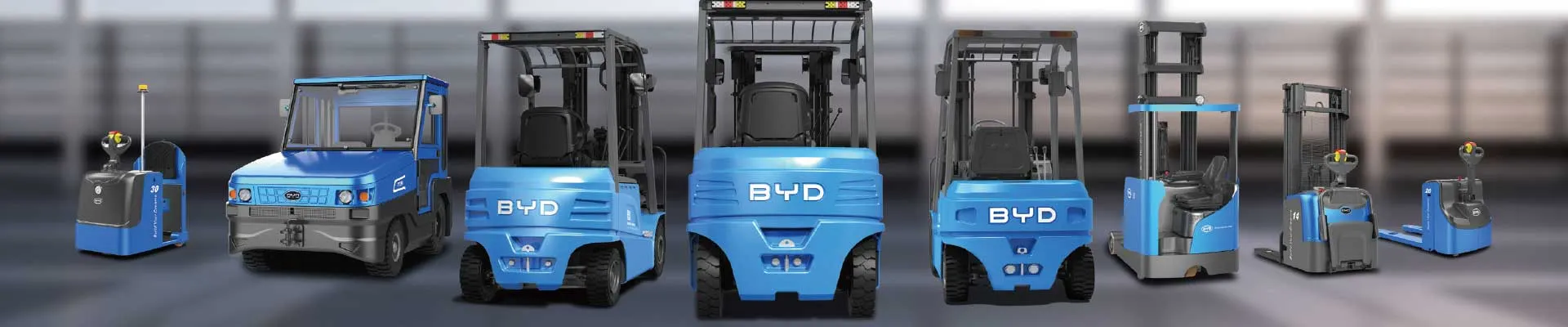
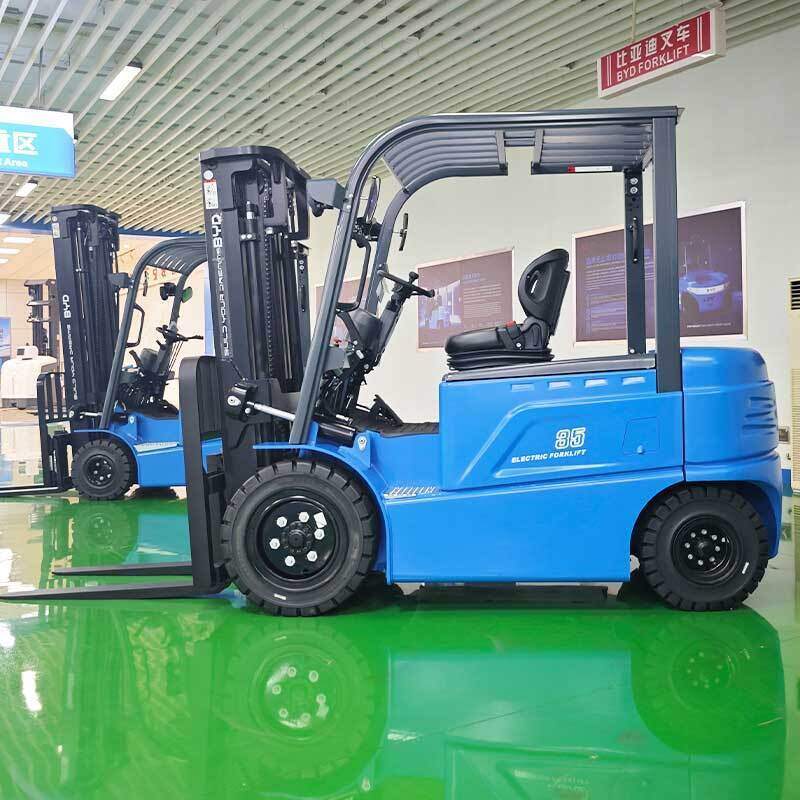
As the logistics and warehousing industry continues to pursue low-carbon and efficient operation modes, electric forklifts have become one of the most widely applied material handling equipment in indoor working scenarios in recent years. Mastering correct usage and maintenance knowledge can help relevant staff give full play to the performance of such equipment.
Core Performance Features of Modern Electric Forklifts
Different from internal combustion power equipment, electric forklifts generate no exhaust emission during operation, and produce much lower working noise, which can meet the environmental protection requirements of enclosed working spaces such as food storage workshops, pharmaceutical warehouses and fresh product sorting centers. The driving and lifting system of such equipment runs smoothly, with relatively gentle acceleration response, which can reduce the risk of cargo tipping during high-frequency handling operations.
Key Points of Daily Routine Maintenance
For the power supply system of electric forklifts, operators need to check the remaining power level before each shift, and avoid full discharge of the power unit as much as possible. If the equipment will be idle for more than two weeks, staff should arrange regular supplementary charging to keep the activity of the power cell. It is also necessary to regularly check the sealing status of the hydraulic pipeline, the sensitivity of the braking system and the cleanliness of the heat dissipation vents, and do not use high-pressure water to directly flush the electronic control components to avoid short circuit risk.
Standard Operation Specifications for Long-term Stable Use
All operators need to receive necessary pre-job skill training before independently using electric forklifts. In the daily operation process, staff should strictly follow the rated load parameter to arrange goods handling, avoid sharp steering actions when the goods are lifted to a high position, and keep low driving speed when passing sloped roads. It is not allowed to stand or carry personnel on the forks to prevent safety accidents. Regular operation inspection and standardized maintenance can effectively extend the service life of the equipment, and bring more stable output for the daily material handling work of the warehouse.


