
 简体中文
简体中文 Русский
 Français
 Português
 Español
 لالعربية
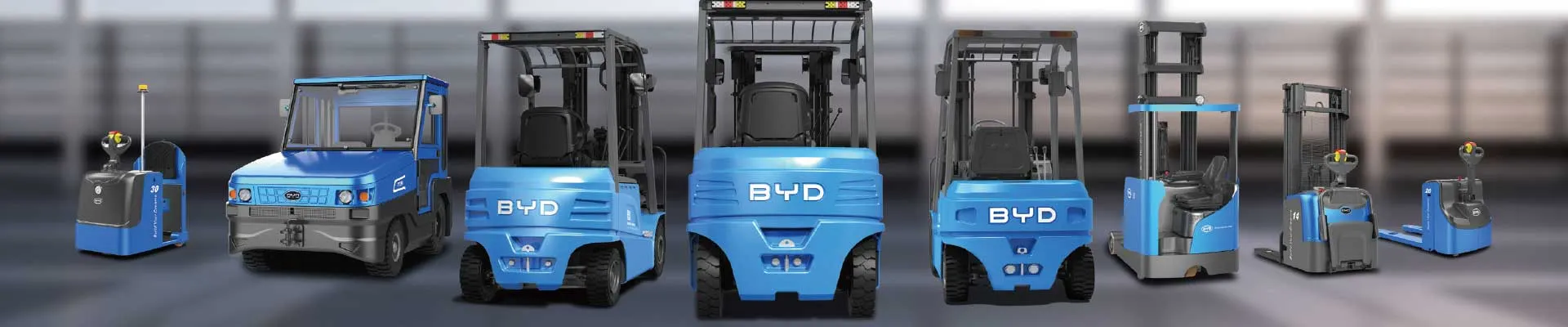
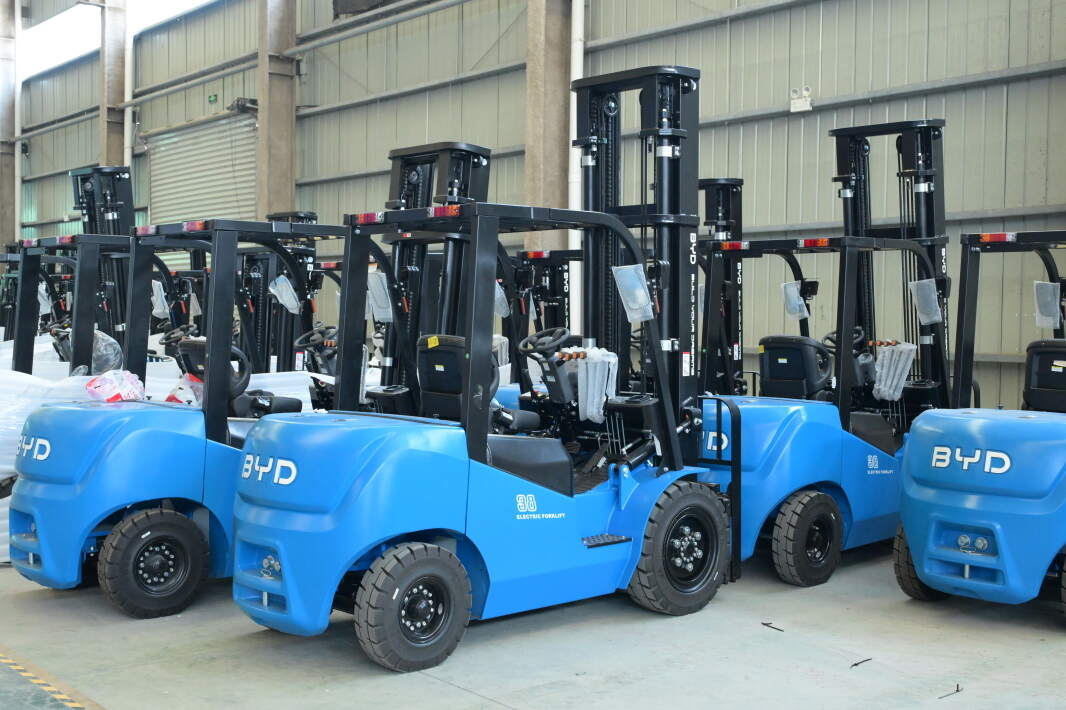
With the rapid development of low-carbon industrial logistics, electric forklifts have occupied a larger share in the material handling equipment market across all kinds of application scenarios, and mastering systematic professional knowledge of such equipment can help operators reduce unnecessary operation risks, lower long-term use cost and improve overall work efficiency.
Basic Operation Specifications
Before starting any formal operation, operators need to conduct full pre-checks on the equipment, including testing the flexibility of steering system, reliability of braking function, remaining battery level and the tightness of fork connection. During the operation process, staff should strictly follow the rated load limit of the equipment, avoid sharp steering or sudden braking at high traveling speed, send out prompt signals when passing narrow aisles or crossing intersections, and do not extend any part of the body into the lifting mast gap to avoid potential safety risks.
Daily Regular Maintenance Guidelines
Regular proper maintenance can effectively extend the service life of electric forklifts. Operators should avoid washing the motor and electronic control components directly with high pressure water during daily cleaning work, check the battery joint status regularly to remove accumulated oxide on the contact surface, complete standard charge and discharge cycles in line with official requirements, and never store the equipment under long-term power loss status. It is also necessary to check the tire wear condition and chain tension degree on a fixed cycle, shut down the equipment in time and arrange professional troubleshooting once abnormal noise or operation failure is found.
Energy Efficiency Optimization Skills
Developing good operation habits can reduce unnecessary energy consumption significantly. Operators can plan the daily handling routes in advance to cut down invalid traveling distance, select proper power output level according to actual load weight to avoid unnecessary high power consumption, and turn off the power system in time when the equipment needs to stay idle for a long time. These small operation details can help to prolong the battery cycle life, reduce the frequency of charging and improve the continuous operation efficiency in peak work periods.
Scenario Matching Reference Principles
Different operation scenarios put forward different requirements for electric forklift parameters. For low temperature and high humidity working environment, it is suggested to select equipment with proper protection grade for key components, for narrow aisle warehouse scenarios, compact body structure is more suitable to improve space utilization rate, for long distance frequent handling scenarios, configuration with larger battery capacity can reduce the times of mid-shift charging. Reasonable matching between equipment and actual scenario can give full play to the performance of electric forklifts.


