
 简体中文
简体中文 Русский
 Français
 Português
 Español
 لالعربية
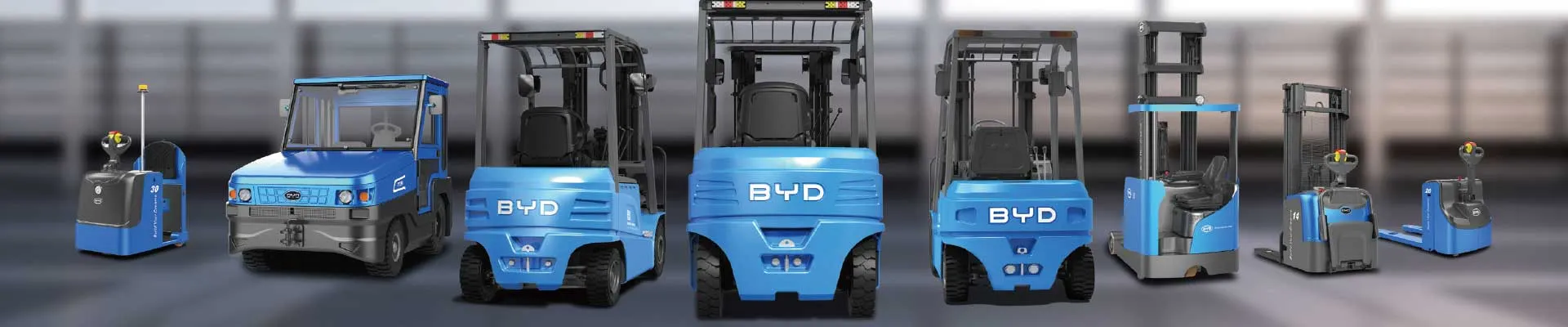
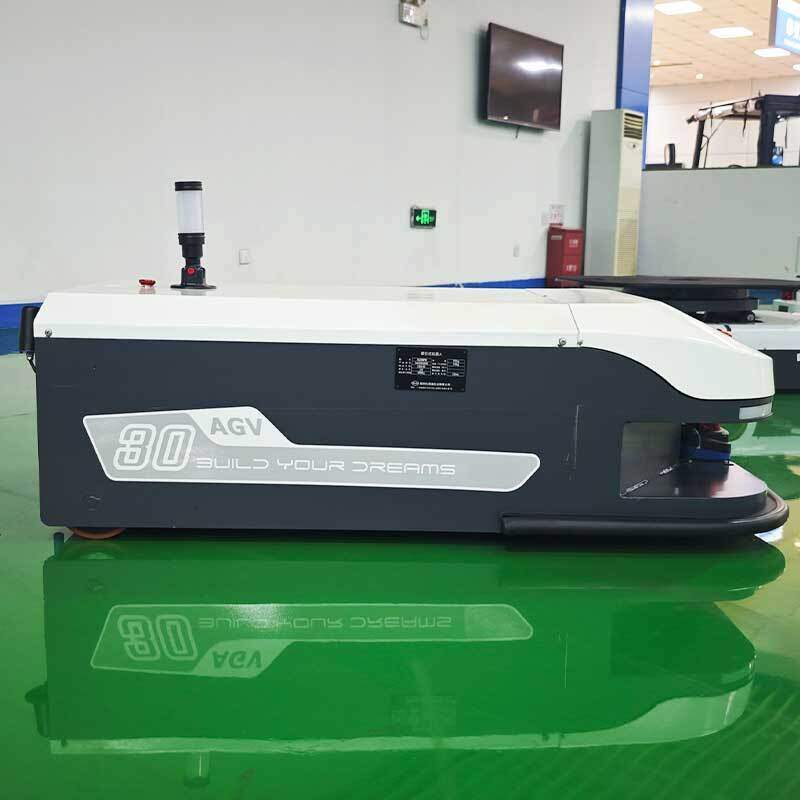
Against the background of global logistics industry accelerating green transformation, electric forklifts have become one of the most widely used core material handling equipment in closed warehouses, cold chain storage and production plant scenarios. Many frontline operation managers and equipment users still have room to further systematic cognition of giving full play to the performance of electric forklifts, reducing unnecessary loss and extending the stable service cycle.
Core Performance Characteristics of Electric Forklifts Suitable for Scenario Application
Different from fuel-powered handling equipment, electric forklifts produce no local exhaust emission during the whole operation process, and the running noise is kept at a relatively low level, which can meet the environmental control requirements of food storage, pharmaceutical warehouse and other scenarios with strict air quality standards. The overall weight distribution of the equipment is designed evenly, the steering resistance is low, and the operation sensitivity is high, which can effectively reduce the physical fatigue of operators after long hours of continuous work, and conform to the relevant specifications of industrial occupational health management.
Standardized Operation Specifications to Avoid Unnecessary Equipment Wear
Before each daily operation, operators need to complete necessary pre-inspection work, including checking the remaining battery power, the sensitivity of the braking system, the tightness of the lifting chain and the smoothness of the operation control handle. During the handling process, operators should strictly control the load within the rated range marked on the equipment nameplate, avoid long-time diagonal driving on the slope exceeding the specified parameter, lower the mast properly to keep the center of gravity stable when transporting heavy goods at height, and pay real-time attention to the dynamic obstacles and personnel moving lines in the operation area to reduce the risk of collision and scraping.
Routine Maintenance Measures to Optimize Long-term Use Efficiency
For the core power battery part, users are advised not to wait for the battery to be completely exhausted before charging, keep the charging area well ventilated, regularly clean the oxide layer on the battery pole studs to avoid poor contact. Do not use high-pressure water to directly flush the area of electrical components, regularly check the sealing performance of the hydraulic system, replenish hydraulic oil of matching specifications in time, and store the equipment with the battery kept at half full state in a cool and dry environment if it is left idle for more than 7 days. Scientific and standardized use and maintenance can help enterprises give full play to the advantages of electric forklifts, steadily improve the operation efficiency of the whole material handling link, and effectively control the long-term comprehensive operation cost.


