
 简体中文
简体中文 Русский
 Français
 Português
 Español
 لالعربية
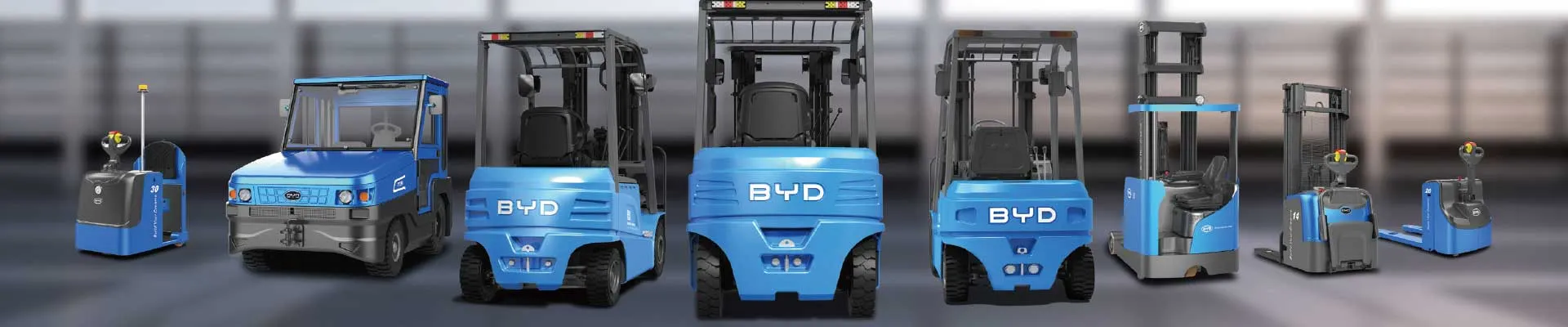
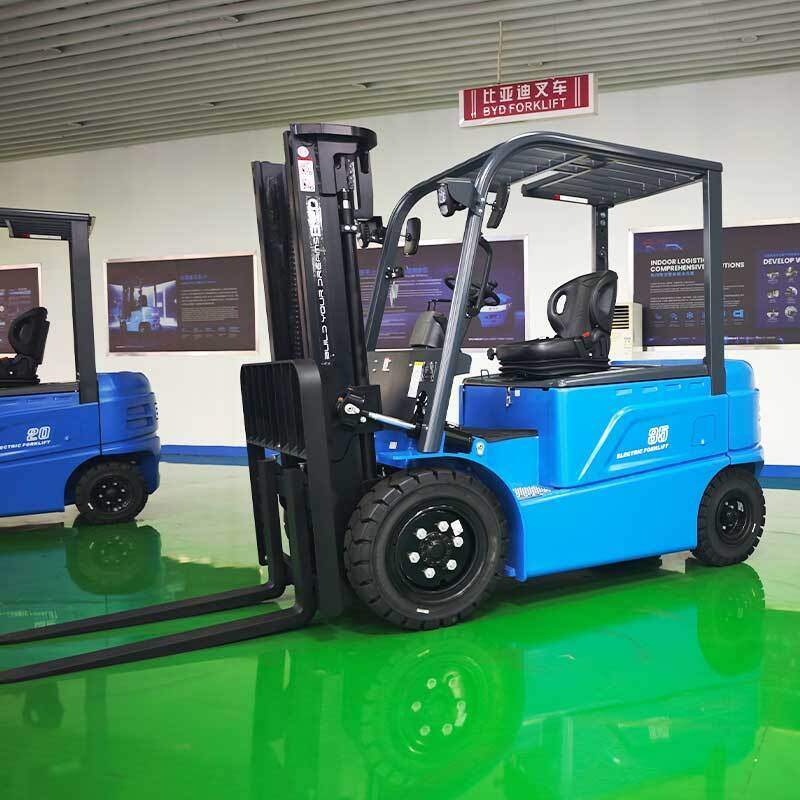
As the core equipment for modern warehouse and industrial material handling, electric forklifts have gained widespread adoption for their low noise, zero local emission and low running cost features. Proper operation and routine maintenance can help enterprises reduce long-term operation expenditure, lower potential safety risks, and maximize the value of equipment investment.
Routine Pre-shift Inspection Specifications
Before starting any shift operation, operators need to complete a series of basic checks covering core components of the electric forklift. First, check the battery power level and the connection status of power terminals, to avoid sudden power loss during high-load operation that may cause unplanned work interruption. Next, test the flexibility of the lifting mechanism, steering system and braking function, to make sure all functional units respond smoothly without abnormal stuck or delayed reaction. Operators also need to check the tire wear condition and the integrity of warning light components, to eliminate obvious hidden risks before formal operation.
Standard Operation Habits to Reduce Component Wear
Correct operation behaviors can effectively slow down the aging speed of core parts of electric forklifts. Operators should avoid frequent sharp acceleration and sharp deceleration in the process of moving goods, keep a stable running speed according to the on-site road condition of the warehouse. When lifting heavy loads, it is not recommended to tilt the carriage forward excessively to avoid the risk of goods falling, as well as extra pressure on the lifting hydraulic system. It is also not advised to overload the equipment beyond the rated load value for a long time, which will cause extra load on the motor and battery system and shorten the overall service life of the equipment.
Targeted Post-operation Maintenance Arrangement
After finishing the daily operation work, operators should park the electric forklift in the designated stable parking area, lower the lifting frame to the lowest position, and turn off the whole power system. If the equipment will not be used for more than 48 hours, staff should carry out supplementary charging according to the battery management specification, to prevent the battery from being in a long-term power loss state that affects its cycle performance. Regularly clean the dust and sundries attached to the surface of the motor and heat dissipation structure, to maintain good heat dissipation effect of the power components during high-intensity continuous operation. Enterprises can also arrange regular professional skill training for operators, to help them master more standardized operation and maintenance knowledge, form a good working habit that integrates safety awareness and equipment protection awareness, which can bring more stable and reliable support for the daily material handling work of the warehouse.


