
 简体中文
简体中文 Русский
 Français
 Português
 Español
 لالعربية
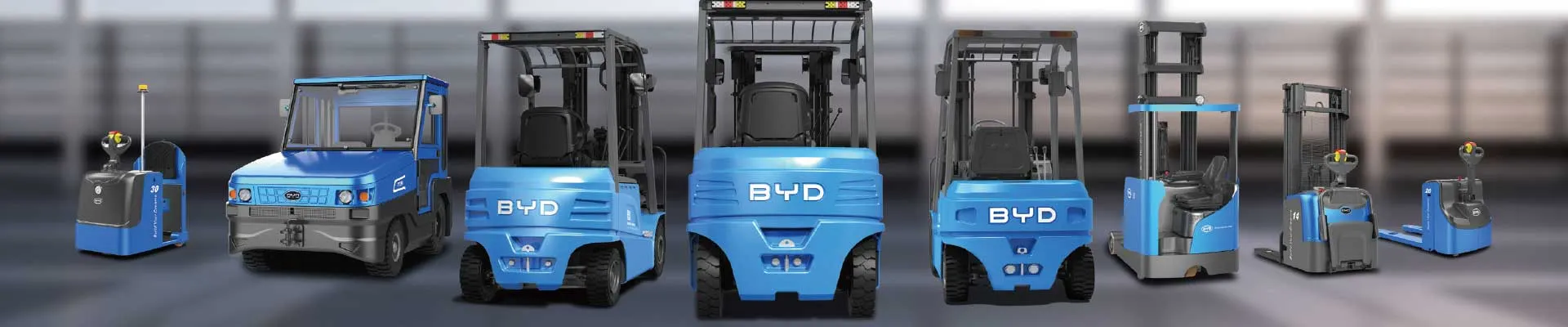
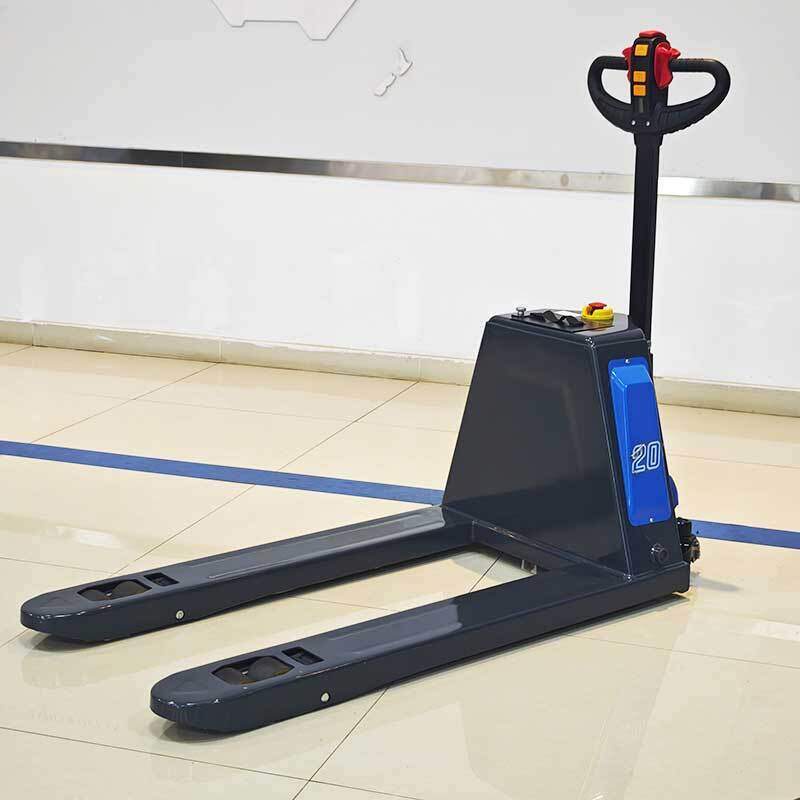
As low-carbon industrial logistics requirements keep rising, electric forklifts have become one of the most popular material handling equipment in various storage and manufacturing scenarios. Compared with fuel-powered counterparts, they bring lower noise, zero on-site exhaust emission and relatively stable long-term operating cost, while their operating efficiency and service life are closely connected with daily management norms. This article sorts out targeted practical suggestions for relevant practitioners to refer to.
Standardized Daily Operation Specifications
Before starting the equipment every shift, operators need to complete basic pre-operation checks, confirm that power connection status is stable, tire pressure stays within the normal range, and braking, steering and lifting systems respond sensitively. During the driving process, avoid frequent sudden acceleration or sharp steering, keep a safe distance from surrounding passing personnel and storage racks, and do not carry goods beyond the rated load mark of the equipment. When transporting stacked goods, keep the fork and goods 10 to 15 centimeters above the ground, and do not lift the goods to an excessive height during moving to avoid breaking the overall center of gravity balance of the forklift. All operators should complete systematic pre-job training to get familiar with the basic operation logic of the equipment, and do not operate the forklift when in fatigue status or under the influence of substances that will reduce personal reaction speed.
Scientific Routine Maintenance Management
Standardized maintenance operations can effectively reduce the probability of sudden equipment failure and extend the overall service cycle of electric forklifts. The power battery is the core component of the whole equipment, so the charging environment should be kept dry and well ventilated, users need to avoid long-term overcharging or deep over-discharging, and regularly clean the accumulated dust on the battery surface and charging connectors to prevent poor contact caused by dirt. For the driving motor and hydraulic lifting system, check the wear degree of hydraulic oil pipes and the residual amount of lubricating oil every fixed working cycle, replace the aging accessories in time, and clear the sundries entangled near the motor rotor. After finishing each shift, operators need to park the forklift in the designated parking area, lower the fork completely to the ground, and cut off the main power supply, do not leave the equipment in long-term standby power consumption status.
Scenario Matching and Energy Efficiency Optimization
To give full play to the usage value of electric forklifts, operation managers can make reasonable equipment scheduling according to the actual work intensity of different scenarios. For long-distance continuous handling tasks, arrange equipment with sufficient remaining power in advance to avoid work rhythm interruption caused by midway charging. You can also count the power consumption data of the equipment in different operating states regularly, adjust the daily operation route properly to reduce unnecessary idle driving, and improve the overall energy utilization efficiency. For special scenarios such as cold storage or high-dust processing workshops, choose electric forklifts with matching protective configurations according to environmental characteristics, to reduce the adverse impact of extreme working conditions on core components. Following the above norms can help related teams build a safer and more efficient material handling operation system.


