
 简体中文
简体中文 Русский
 Français
 Português
 Español
 لالعربية
.jpg "Forklift Price vs Total Cost of Ownership: A Better Comparison(figure1)")
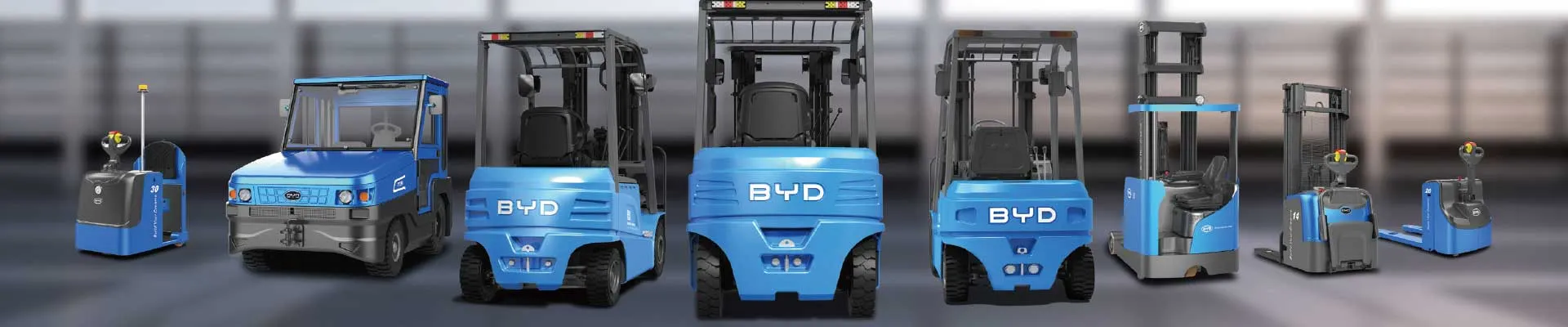
As the penetration rate of electric forklifts continues to rise in modern material handling industries, mastering standardized operation and usage rules can help operators give full play to the equipment’s performance while reducing unnecessary wear and potential safety hazards.
Core Pre-Operation Inspection Rules
Before starting each shift’s operation, operators are suggested to conduct a full range of basic checks, including the power system’s remaining capacity status, the flexibility of lifting and steering components, the normal functionality of brake and warning devices, as well as the condition of tire surface. If any abnormal sign is found during the inspection process, operators should report the situation to the management team before initiating formal operation, to avoid unexpected malfunctions during the working process.
Daily Usage Optimization Suggestions
In the process of daily cargo handling operations, operators are advised to arrange the handling route reasonably according to the actual cargo weight and site space, avoid frequent sudden acceleration or emergency braking that is not caused by emergency situations. It is also recommended to arrange the cargo stacking position evenly on the fork arms to avoid unbalanced load that may increase the pressure on the supporting structure of the equipment, which can cause extra wear of core components. Operators can also adjust the running speed according to the site personnel density and channel width, to keep the operation smooth and stable.
Routine Maintenance for Extended Service Life
Formulating a scientific regular maintenance schedule is an important part of electric forklift usage management. For the power system, operators need to follow the specified charging rules, avoid over-discharging the battery for a long time, and keep the surface of the power component dry and clean. For transmission and lifting parts, regular lubrication treatment can be carried out according to the operation frequency, and accumulated dust and sundries inside the equipment shell can be cleaned at regular intervals, to keep the equipment operating in a good condition.
Scenario-based Usage Adaptation Tips
Different working scenarios have different requirements for electric forklift usage. For closed indoor warehouse scenarios, operators can make full use of the equipment’s low noise and zero local emission characteristics to arrange continuous handling work, without worrying about the exhaust pollution to the indoor working environment. For short-distance outdoor handling scenarios with flat roads, operators should avoid operating the equipment in deep water areas or under extreme harsh weather for a long time, to protect the core internal components of the equipment.


