
 简体中文
简体中文 Русский
 Français
 Português
 Español
 لالعربية
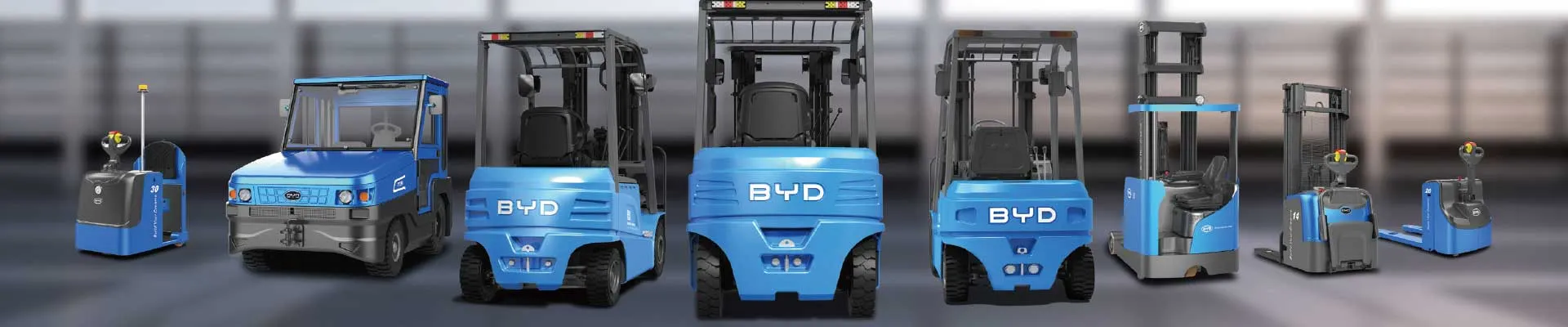
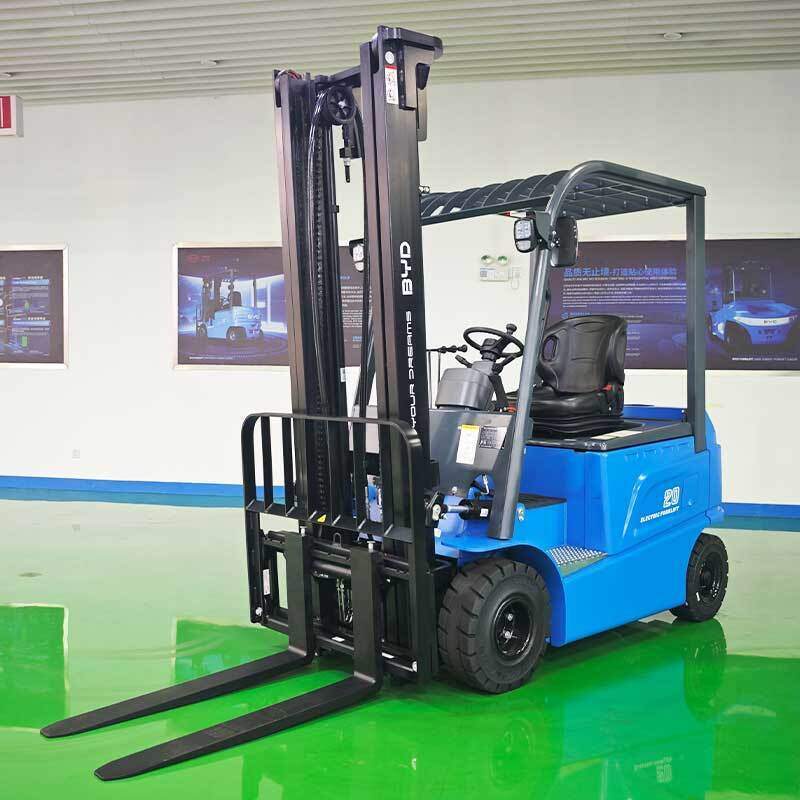
As the low-carbon trend spreads across the global logistics sector, electric forklifts have become one of the most widely used material handling equipment for indoor storage and distribution scenarios in recent years. Mastering relevant professional knowledge of this kind of equipment can help relevant practitioners better tap its use value and avoid unnecessary operation risks.
Core Performance Characteristics of Electric Forklifts
Different from fuel-powered internal combustion counterparts, electric forklifts generate no exhaust emission at the operation site, and keep relatively low noise level during working process, which makes them highly adaptable to closed indoor environments such as finished goods warehouses, cold chain storage areas and workshop production lines. The whole mechanical system of this equipment produces less vibration during operation, which can effectively reduce the long-term work fatigue of operators, and avoid the interference of exhaust gas and peculiar smell to surrounding stored goods that have high requirements on environmental hygiene.
Basic Standard Operation Norms
Before starting each shift, operators need to complete necessary pre-inspection work, including checking the remaining battery level, the flexibility of the braking system, the normal lifting state of the loading fork, and clearing obstacles within the surrounding working range. During the operation process, operators should strictly follow the load capacity mark of the equipment to avoid overloading, keep a safe distance from the surrounding shelves and personnel, reduce the driving speed when turning, and avoid sudden braking on the wet and slippery ground. It is not allowed to use the loading fork to carry personnel for lifting operation in conventional scenarios, so as to reduce potential safety hazards.
Daily Maintenance Suggestions for Stable Long-Term Use
Regular daily maintenance work can effectively prolong the service life of electric forklifts and reduce the frequency of unexpected failures. Operators can clean the dust and sundries accumulated on the surface of the equipment and the ventilation openings after daily work, check the battery connecting terminals regularly to avoid corrosion caused by long-term use, and replenish the power according to the official operation guide when the remaining power drops to the preset proportion. For the hydraulic system and tire wear condition, regular targeted inspection can also effectively reduce the failure rate in the daily use process. For small and medium-sized warehousing and logistics scenarios, reasonably matching the use rules and maintenance rhythms of electric forklifts can help enterprises obtain relatively stable input-output benefits in long-term equipment use.


