
 简体中文
简体中文 Русский
 Français
 Português
 Español
 لالعربية
.jpg "3-Ton Forklift vs 2.5 and 3.5 Ton: Sizing Your Fleet(figure1)")
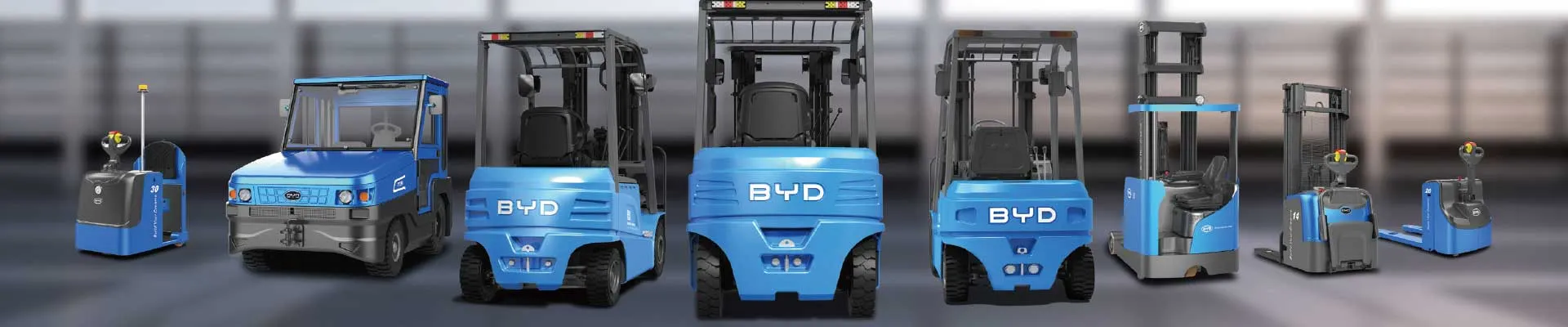
With the continuous development of green logistics and low-carbon warehousing trends, electric forklifts have become one of the most widely used material handling equipment in indoor industrial scenarios in recent years. Mastering systematic knowledge related to electric forklift application can help logistics and warehousing teams obtain more stable operation experience and better comprehensive benefits.
Core Functional Advantages of Electric Forklifts for Indoor Scenarios
Different from traditional internal combustion handling equipment, electric forklifts rely on on-board energy storage units to provide power output, which does not produce local exhaust emissions during the whole operation process, and will not cause air quality impact on closed warehouse spaces with poor ventilation. The motor output mode of electric forklifts also brings smoother acceleration and deceleration performance, which can effectively avoid shaking of stacked goods during driving, and reduce the damage probability of fragile packaged goods. The low operation noise feature is also suitable for working scenarios with high requirements for on-site working environment, such as medical equipment warehouses and fresh food storage facilities.
Standardized Daily Operation Guidelines
Before each formal operation, operators need to complete necessary pre-inspection work, including checking the remaining power level, the sensitivity of braking and steering components, the integrity of fork structure and the flexibility of lifting mechanisms. During the driving process, operators should avoid frequent sharp acceleration and sudden braking, keep a safe distance from surrounding personnel and storage racks, and do not carry out high-speed driving when the goods are lifted to a high position. When unloading and stacking goods, operators should adjust the lifting height slowly to avoid collision with surrounding facilities, and do not leave the operating position when the goods are kept in the lifted state.
Routine Maintenance Suggestions for Extended Service Life
Daily maintenance work focuses on the inspection and care of core components, including regularly cleaning the dust and sundries at the connection position of the energy storage unit, checking the heat dissipation performance of the power system, and adding appropriate amount of lubricating oil to the transmission and moving parts on schedule. Operators should avoid long-term over-discharge of the on-board energy storage unit, and keep the power level in a reasonable range when the equipment is parked for a long time. Regular inspection of the sensitivity of operation sensors and safety protection components can effectively reduce the probability of unexpected failures during peak operation periods, helping teams get more stable long-term operation performance.


