简体中文
 Русский
 Français
 Português
 Español
 لالعربية

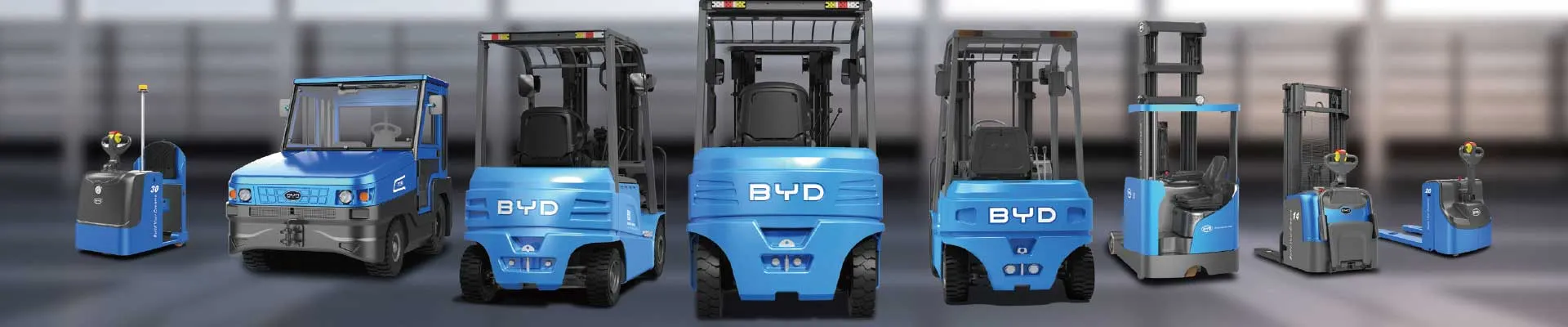
Against the backdrop of steady growth in Tanzania’s logistics, port handling, agricultural processing and manufacturing sectors, more and more local operation teams are looking for practical ways to cut long-term operating expenses while meeting the rising demand for material handling. Lithium forklifts, as a mature new energy material handling solution, have been widely recognized by local users for their stable and verifiable cost saving effects, and the savings mainly come from three core aspects.
The first source of savings comes from the reduction of daily energy and consumable costs. Different from traditional internal combustion forklifts that need to purchase fuel continuously, or lead-acid forklifts that need frequent water replenishment, battery replacement and additional charging station transformation, high-efficiency lithium forklifts convert electric energy into power output at a much higher efficiency rate. For most operation sites in Tanzania, the electricity cost per unit load of lithium forklifts is far lower than the fuel cost required to drive an internal combustion forklift of the same load capacity, and there is no extra expense for waste oil treatment, filter replacement for power system, which directly cuts the daily operating expenditure significantly.
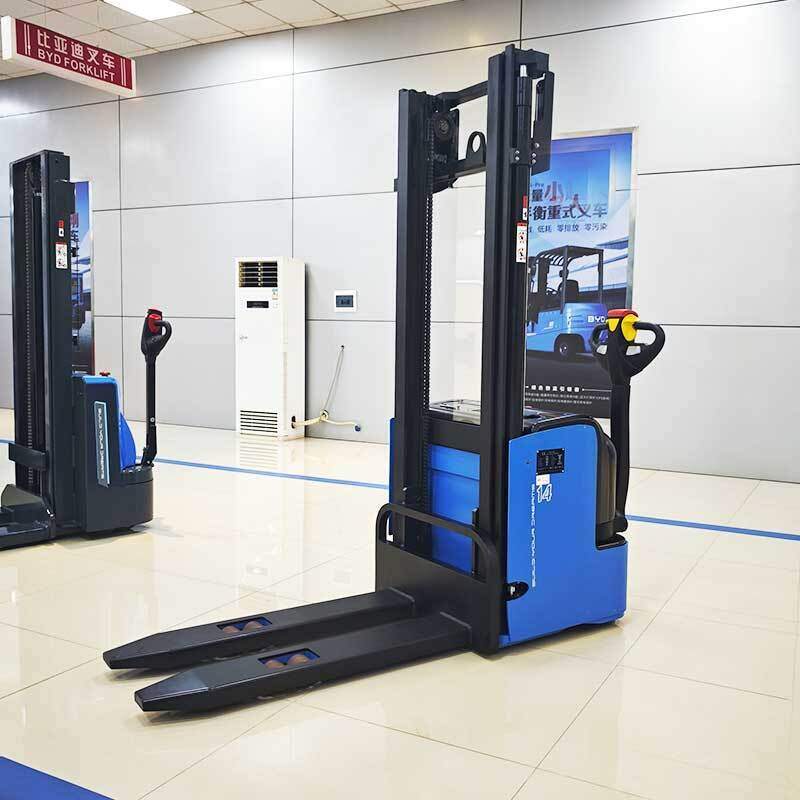
The second source of savings comes from lower maintenance cost and less downtime loss. Lithium forklifts do not have complex internal combustion engine structures, nor do they need regular maintenance procedures such as engine oil replacement, spark plug check and exhaust system cleaning. For many Tanzania operation sites located in suburban or rural areas that lack dedicated maintenance teams, the simplified maintenance requirements of lithium forklifts reduce the cost of inviting professional technicians for on-site service, and also cut the downtime caused by equipment failure, avoiding the potential revenue loss caused by delayed cargo handling.
The third source of savings comes from hidden operating and compliance cost reduction. Lithium forklifts produce no exhaust emission during operation, and generate far less noise than internal combustion forklifts. Local operators do not need to purchase extra labor protection products for operators to avoid exhaust harm, nor do they need to carry out special noise reduction renovation for the warehouse or work site. As Tanzania’s local environmental management regulations continue to improve, using zero-emission lithium forklifts also helps operators avoid possible extra environmental compliance fees in the long run.
As a professional new energy service provider, Sharp Tree New Energy focuses on BYD electric forklifts, and provides targeted lithium forklift matching and supporting service for different operation scenarios across Tanzania. If you have related demand for material handling equipment, you can send an email to [email protected] for more detailed consultation.