简体中文
 Русский
 Français
 Português
 Español
 لالعربية

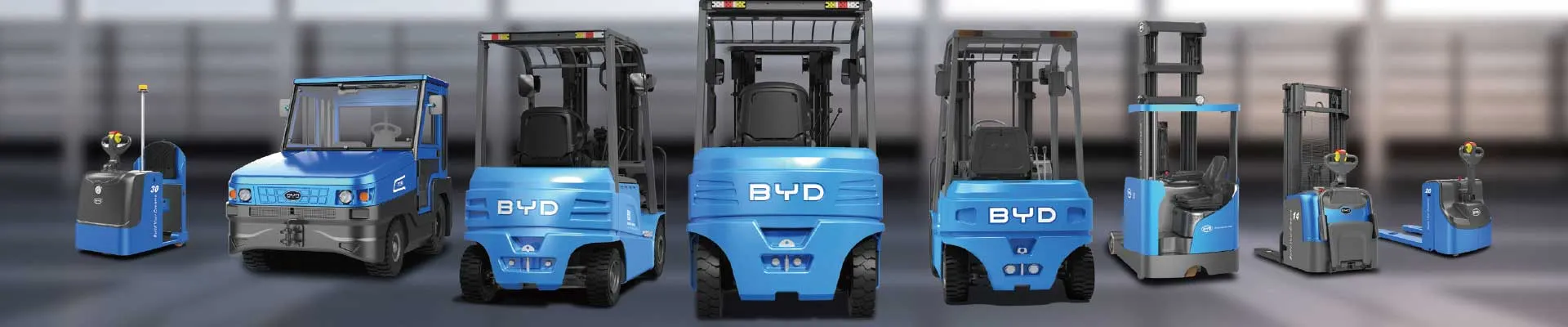
For material handling operators running daily operations across Bamako, covering port logistics yards, large wholesale distribution centers, and manufacturing storage facilities, the shift from traditional internal combustion heavy-duty forklifts to electric models has delivered tangible, measurable operational savings in recent years. Many local enterprise operators have reported noticeable drops in annual operational expenditure after switching, and most of these savings come from multiple practical, verifiable dimensions that fit local operating conditions perfectly.
The first and most obvious source of savings comes from energy cost stability and reduction. Local fuel prices in Bamako have seen frequent fluctuations in recent years, while the cost of industrial electricity for enterprise use remains relatively stable at a lower unit price. For a heavy-duty forklift that runs 8 hours per day on average, the daily energy cost of an electric model is far lower than the fuel cost of a comparable internal combustion model, and the gap will expand further as operating hours increase. There is no unnecessary idle fuel consumption during frequent loading and pauses in daily material handling, which avoids a large amount of unnecessary energy waste.
The second core source of savings comes from lower regular maintenance requirements. Heavy-duty electric forklifts have far fewer moving mechanical components than internal combustion counterparts. There is no need for regular replacement of engine oil, oil filters, spark plugs and other vulnerable parts, nor the regular maintenance work for fuel supply and exhaust processing systems. Local operators in Bamako can cut annual maintenance labor and spare parts cost significantly compared with maintaining traditional fuel forklifts, and the vehicle downtime caused by maintenance and mechanical failures is also greatly reduced, bringing extra implicit benefit of continuous operation.
Additional savings come from policy adaptation and operational scenario compatibility. In recent years, Bamako’s urban core logistics zones have rolled out environmental protection access rules that impose extra charges on high-emission internal combustion operating equipment. Using heavy-duty electric forklifts that meet zero local emission standards can completely avoid these additional compliance costs, and can also operate normally in closed indoor storage spaces without needing to build extra exhaust ventilation facilities.
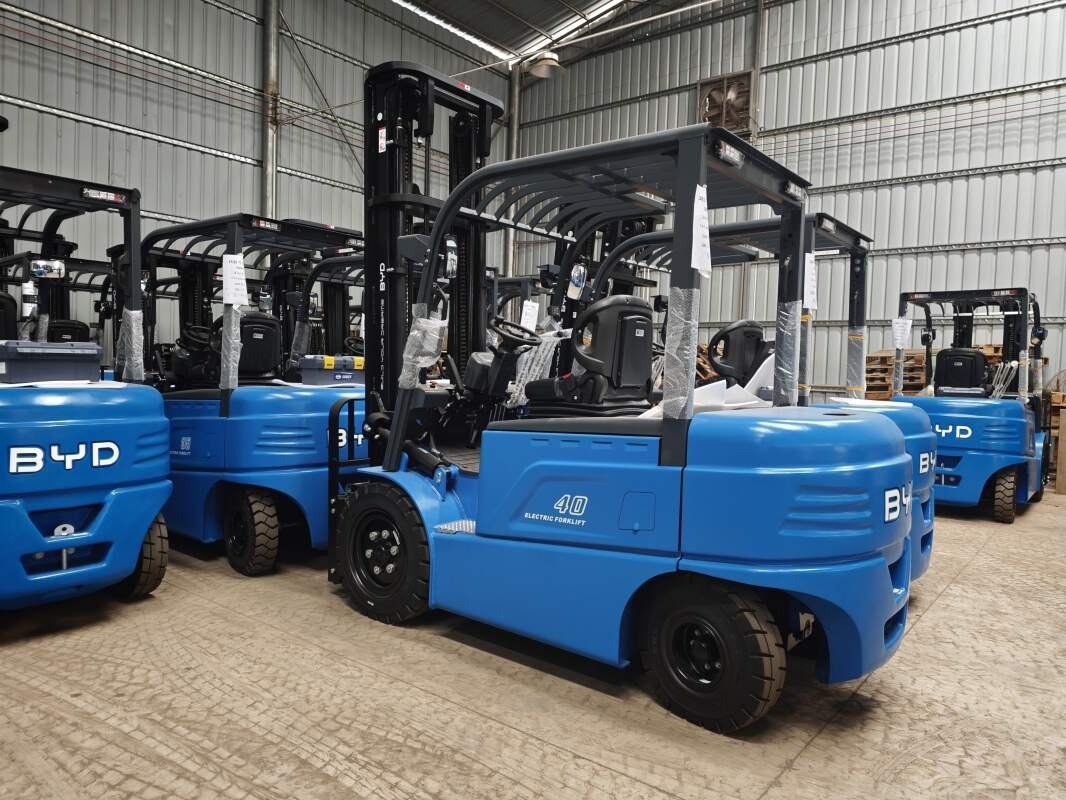
As Jianxin New Energy, we focus on providing professional BYD electric forklift related services for local users in Bamako, supporting full-cycle operation consultation and localized after-sales support. For more information about heavy-duty electric forklift operation cost accounting and matching solutions, you can contact us via [email protected].