
 简体中文
 Русский
 Français
 Português
 Español
 لالعربية

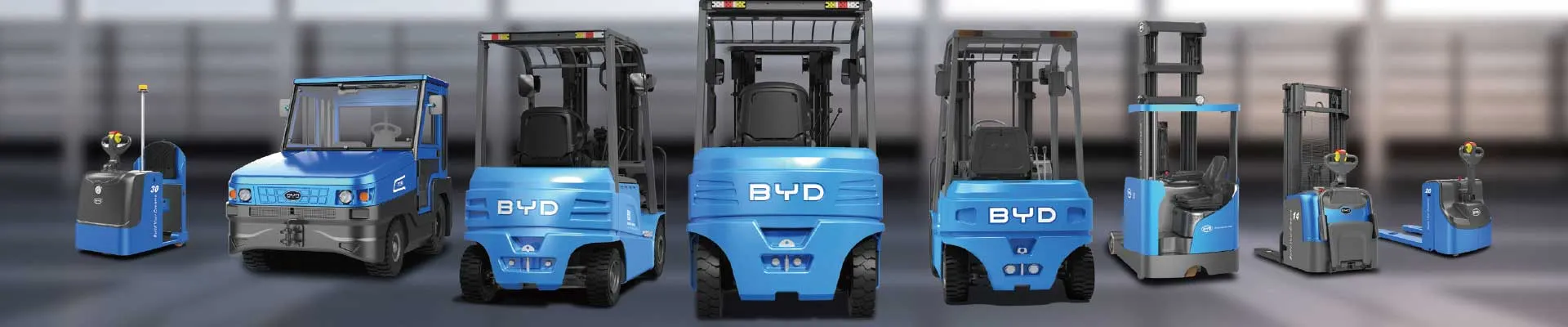
Bamako, as the core economic hub of Mali, has seen continuous growth in material handling demands across port logistics, manufacturing, wholesale distribution and cold storage sectors in recent years. A growing number of local enterprises are choosing to deploy lithium electric forklift fleets to replace traditional internal combustion forklifts, to adapt to local environmental protection requirements and reduce long-term operating costs. A scientific and complete budget planning system is the core foundation to ensure the stable operation of the lithium forklift fleet and avoid unnecessary cost overruns.
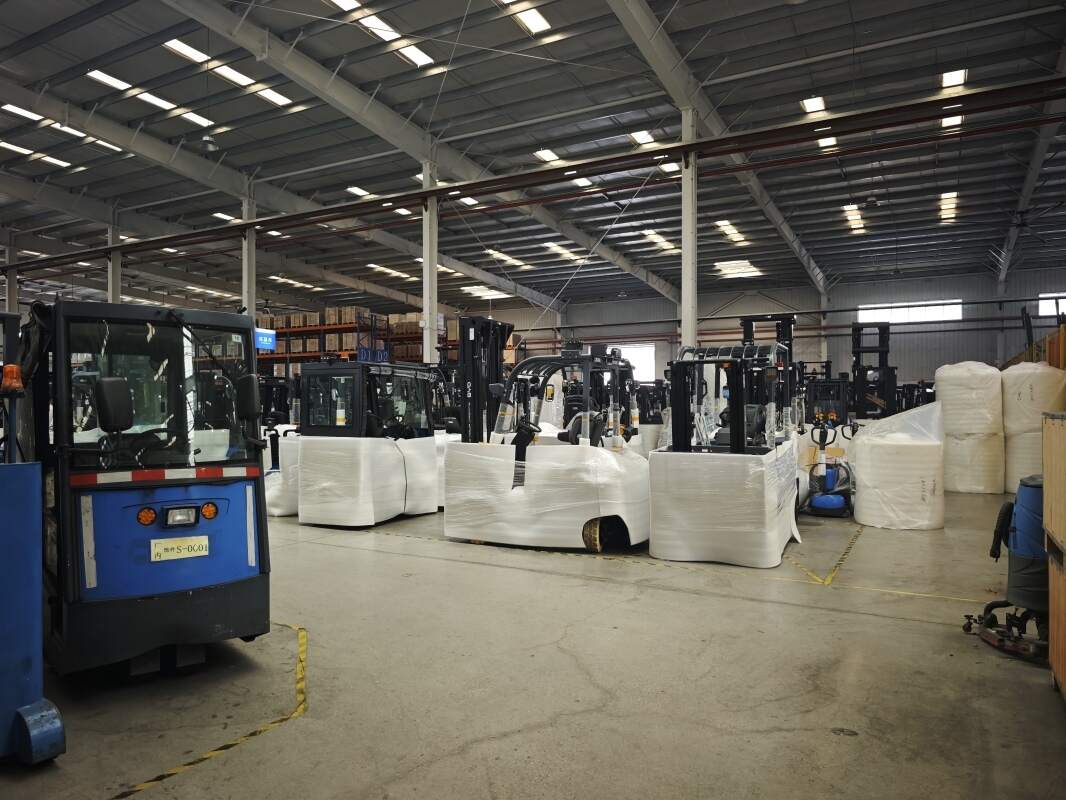
The first core module of budget planning covers the procurement stage. Enterprises need to sort out the actual operation scenarios in advance, confirm the required tonnage, lifting height, and quantity of forklifts according to the daily material handling volume, operation passage width and goods stacking height. Besides the procurement cost of the main equipment, the budget also needs to reserve funds for supporting charging infrastructure deployment, to adapt to the local power grid supply conditions in Bamako, and avoid additional hidden costs caused by subsequent power grid transformation. It is not advisable to judge the purchase decision only by the unit price of the equipment, and the matching degree between the equipment performance and the actual working condition should be taken as the core reference index.
The second core module is the operation and maintenance budget for the full life cycle. Different from internal combustion forklifts, lithium forklifts do not need frequent oil replacement, filter element replacement and other regular maintenance items, so the annual maintenance budget can be reasonably controlled at a relatively stable level. The budget mainly covers the regular safety inspection of the battery, the replacement of wearing parts such as solid tires and sealing strips, and the necessary adaptive adjustment of the equipment according to the high temperature climate characteristics of Bamako, so as to extend the service life of the whole fleet and reduce the unexpected shutdown loss.
The third part is the long-term return on investment tracking budget. Enterprises can calculate the cost difference between the power consumption of lithium forklifts and the fuel consumption of traditional internal combustion forklifts according to local electricity price and fuel price, sort out the 3 to 5 year investment return cycle, and dynamically adjust the subsequent budget for fleet expansion according to the actual annual cost savings.
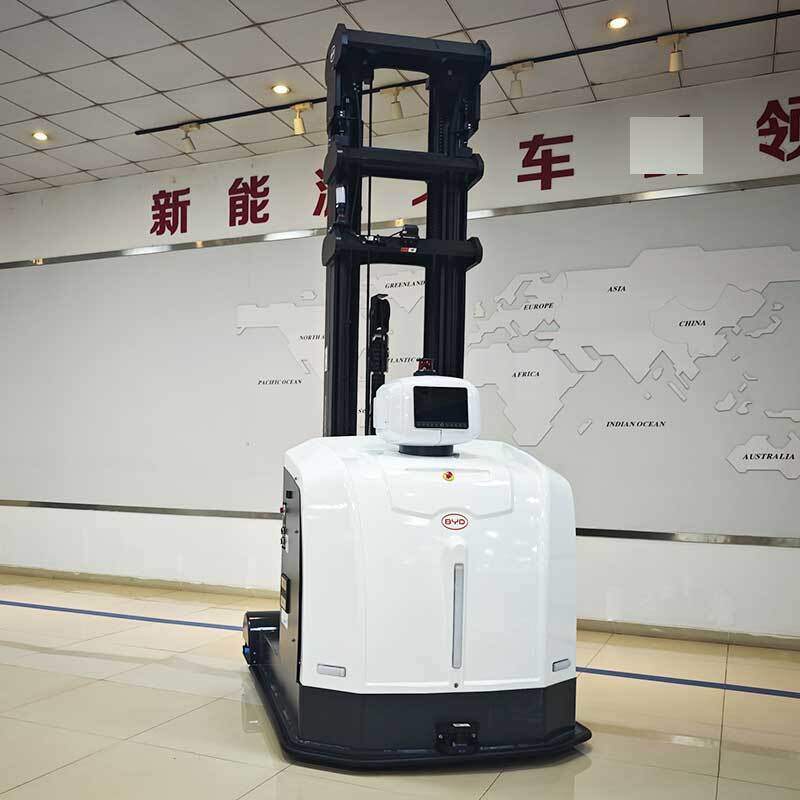
As a professional new energy enterprise, Jian Shu New Energy focuses on BYD electric forklifts, and can provide local enterprises in Bamako with professional customized lithium forklift fleet budget planning consultation. If you have relevant demands, please contact us via [email protected].


