
 简体中文
 Русский
 Français
 Português
 Español
 لالعربية

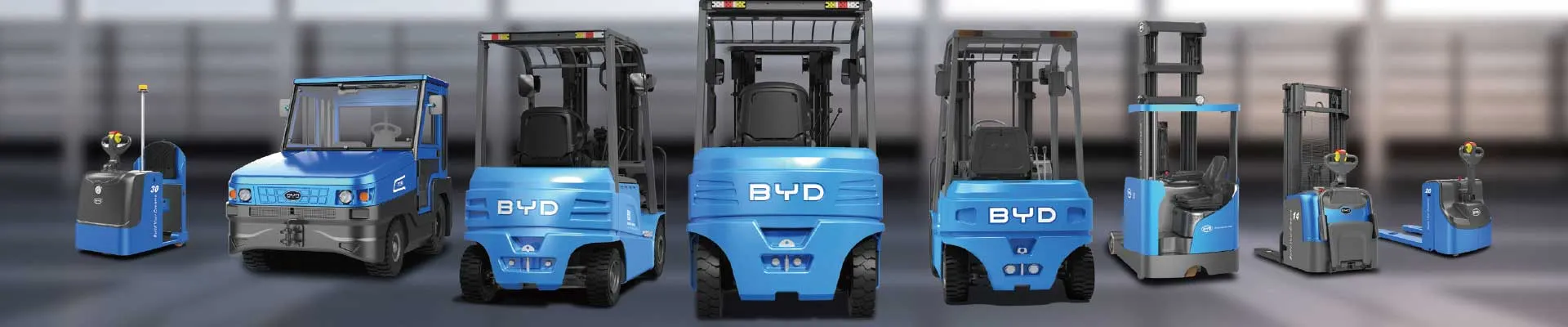
In recent years, Uganda’s logistics, agricultural processing, manufacturing and port handling sectors have maintained steady growth, and demand for cost-effective material handling equipment has risen continuously. Many local operation teams have gradually shifted from traditional internal combustion forklifts to four-wheel electric forklifts, and the obvious cost advantages have won wide recognition in multiple scenarios.
The first core source of savings comes from daily energy operating cost. In Uganda’s current energy market, industrial electricity price maintains a relatively stable fluctuation range, while diesel price is easily affected by cross-border transportation, international commodity price changes and supply chain adjustment. A four-wheel electric forklift consumes much lower energy cost per working hour than equivalent tonnage internal combustion forklift, and the gap will be enlarged continuously with the extension of daily operation hours. For medium and large operation teams that keep forklifts running 6 to 8 hours a day, the accumulated energy cost savings can reach a very considerable level within one operation year.
The second saving point comes from reduced daily maintenance expenditure. Different from internal combustion forklifts that are equipped with complex fuel supply system, engine exhaust system and vulnerable moving parts, four-wheel electric forklifts adopt more simplified power structure, which does not need regular replacement of engine oil, oil filter, air filter and other special consumables, and there is no extra cost caused by exhaust emission component wear and aging. The annual maintenance labor and consumables cost of qualified four-wheel electric forklifts can be reduced by more than half compared with traditional internal combustion products, which cuts a large part of unnecessary daily operation expenditure for local enterprises.
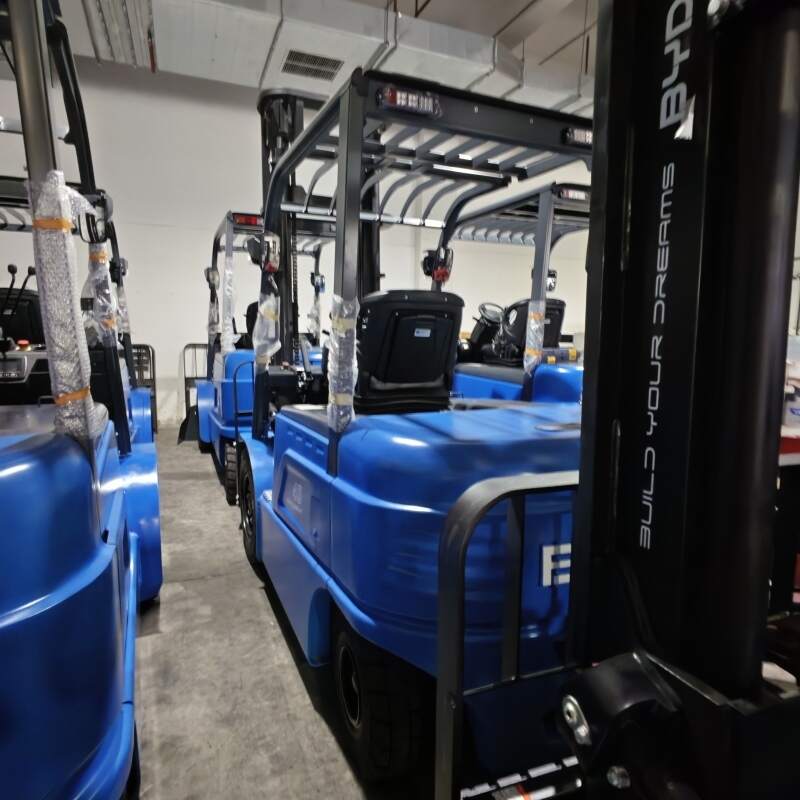
There are also hidden cost savings matching local operation scenarios. The four-wheel structure of this kind of electric forklift brings better overall stability, which can adapt to non-hardened operation roads in suburban yards, farm product processing sites and other common scenarios in Uganda, effectively reduce the risk of cargo toppling and equipment skidding, and lower the unexpected loss caused by operation accidents. Besides, zero-emission operation feature means enterprises do not need to add extra ventilation equipment for enclosed warehouse operation, and the product can also meet the increasingly strict local environmental management requirements, avoiding potential additional costs related to environmental compliance.
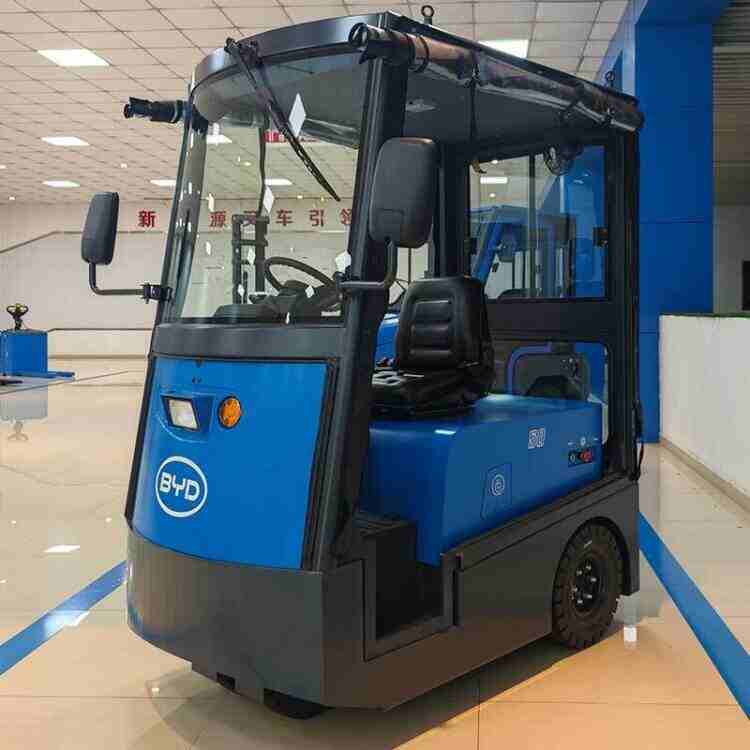
We are Jian Shu New Energy, focusing on providing BYD electric forklift products and supporting services for the East African market. If you want to get a targeted cost saving calculation scheme for your operation scenario in Uganda, you can contact us via [email protected] for more detailed consultation.


