简体中文
 Русский
 Français
 Português
 Español
 لالعربية

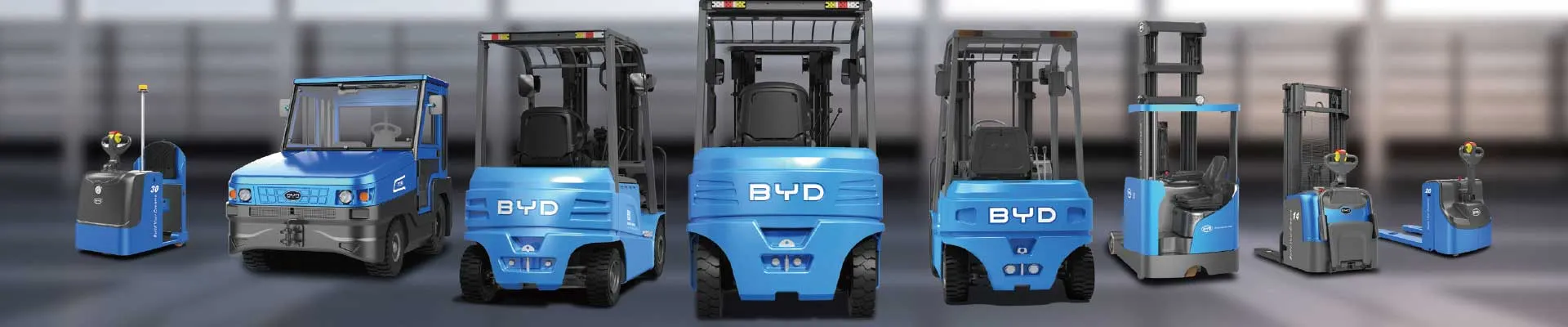
As the core economic and logistics hub of Nigeria, Lagos gathers a large number of warehousing parks, freight distribution centers and port operation sites, where the demand for stable and efficient material handling equipment has kept growing in recent years. Many local operation teams have turned to four-wheel electric forklifts to replace traditional fuel-powered models, and actual long-term operation data shows that the comprehensive cost saving effect is quite prominent for most scenarios.
The first and most direct source of savings comes from energy consumption expenditure. The local diesel price in Lagos has shown relatively large fluctuation in recent years, and the unit energy cost of electric four-wheel forklifts per hour of operation is far lower than that of fuel models with the same load capacity. For operation teams that keep high frequency loading and unloading work for more than 6 hours per day, the accumulated energy cost gap will become quite considerable after months of continuous operation.
The second source of savings comes from maintenance related expenditure. The power system of four-wheel electric forklifts has a more concise structure, there is no need for regular engine oil replacement, filter element update, and maintenance work for tail gas processing components that are essential for internal combustion forklifts. The annual maintenance labor cost and consumable purchase cost can be reduced to a reasonable lower level, and the downtime caused by equipment failure can also be shortened effectively.
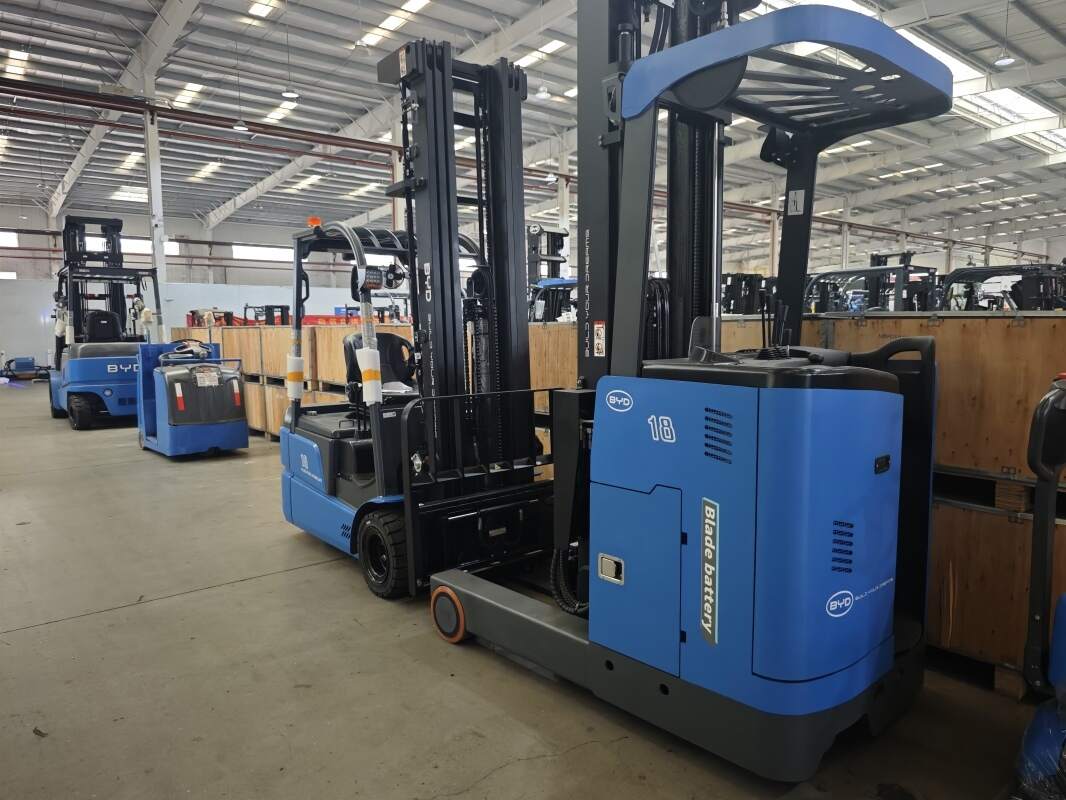
The third source of savings comes from indirect operation loss reduction. In recent years, local management departments in Lagos have launched clearer emission control rules for operation areas in urban core zones and port sites. Qualified four-wheel electric forklifts will not be restricted from working during specific peak hours due to excessive emission, nor do they need to pay additional emission-related surcharges. Stable operation schedule avoids the potential loss of order delay compensation caused by unexpected operation stop.
The fourth source of savings comes from work efficiency optimization. The power output of four-wheel electric forklifts is smooth and the operation response is stable, which reduces the operation fatigue of drivers during long shifts, and keeps the unit time handling throughput at a stable level. The overall work efficiency of the whole team can be improved moderately, bringing extra implicit cost benefits for the operation site.
As a professional new energy material handling solution provider, we are Jian Shu New Energy, and we focus on providing high quality BYD electric forklift products for local clients. If you need targeted operation cost calculation or product parameter consultation, you can contact us via [email protected].