
 简体中文
 Русский
 Français
 Português
 Español
 لالعربية

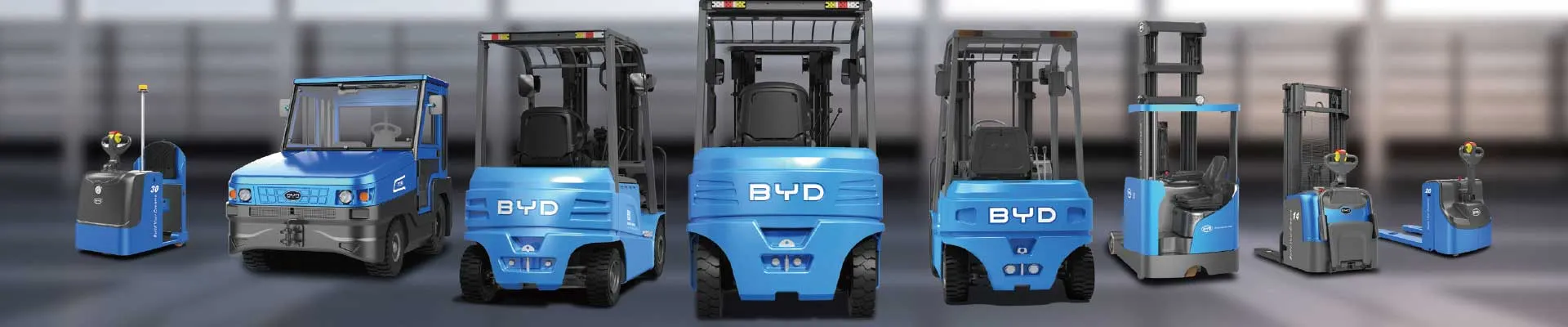
Against the backdrop of rapid growth of logistics, manufacturing and port operation industries in Nigeria in recent years, local enterprises of all sizes are seeking practical, stable solutions to cut down the comprehensive operating cost of material handling links, and electric forklifts have become a widely recognized preferred option for cost control in actual operation scenarios.
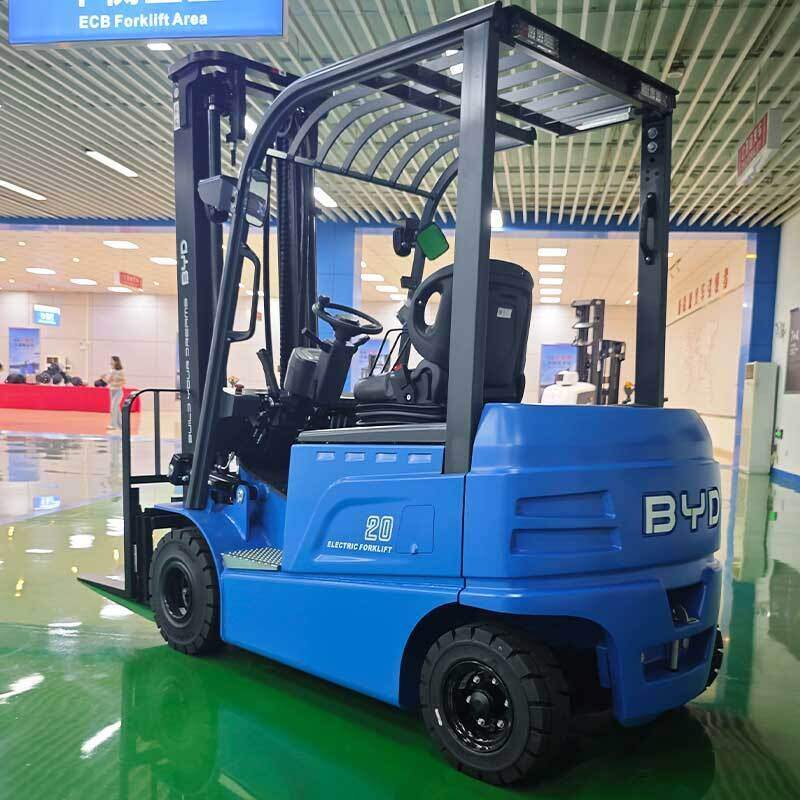
The first core source of savings comes from daily energy consumption expenditure. Traditional internal combustion forklifts use refined oil as power source, and the operating cost per hour will be affected by many fluctuating factors including international oil price, cross-border transportation tariff and local supply chain fluctuation of refined oil in Nigeria. In contrast, electric forklifts run on electric power, and the industrial electricity price in most areas of Nigeria remains relatively stable in recent years, the unit energy consumption cost of each hour of operation is at a reasonable low level. For operation teams that perform more than 6 hours of high-frequency handling work every day, the cumulative energy cost saved in a whole year is quite considerable.
The second obvious saving comes from the whole cycle maintenance cost. The power system of traditional internal combustion forklifts contains dozens of parts that need regular replacement and maintenance, including engine oil, filter elements, ignition components and oil circuit cleaning. Electric forklifts have much simpler power structure, with no complicated fuel supply and exhaust system, the number of regular maintenance items is reduced by a large margin, the cost of maintenance accessories and labor investment is effectively controlled. At the same time, the failure rate of electric forklifts under normal operation is relatively low, which reduces the downtime caused by equipment failure, and avoids the hidden cost loss caused by operation interruption and delayed delivery.
The third long-term saving comes from compliance related expenditure. In recent years, Nigeria has gradually introduced more clear environmental protection management regulations for industrial operation sites, putting forward clear requirements for exhaust emission and operation noise of working equipment. Electric forklifts produce zero tail gas emission during operation, and the operation noise is far lower than that of internal combustion forklifts, which can fully meet the current local regulatory requirements, and will not generate additional emission fees or operation restriction costs in the long-term operation process. In closed operation scenarios such as indoor warehouses and cold chain storage, electric forklifts will not produce exhaust gas that pollutes stored goods, reducing the extra cost of goods loss caused by exhaust pollution.
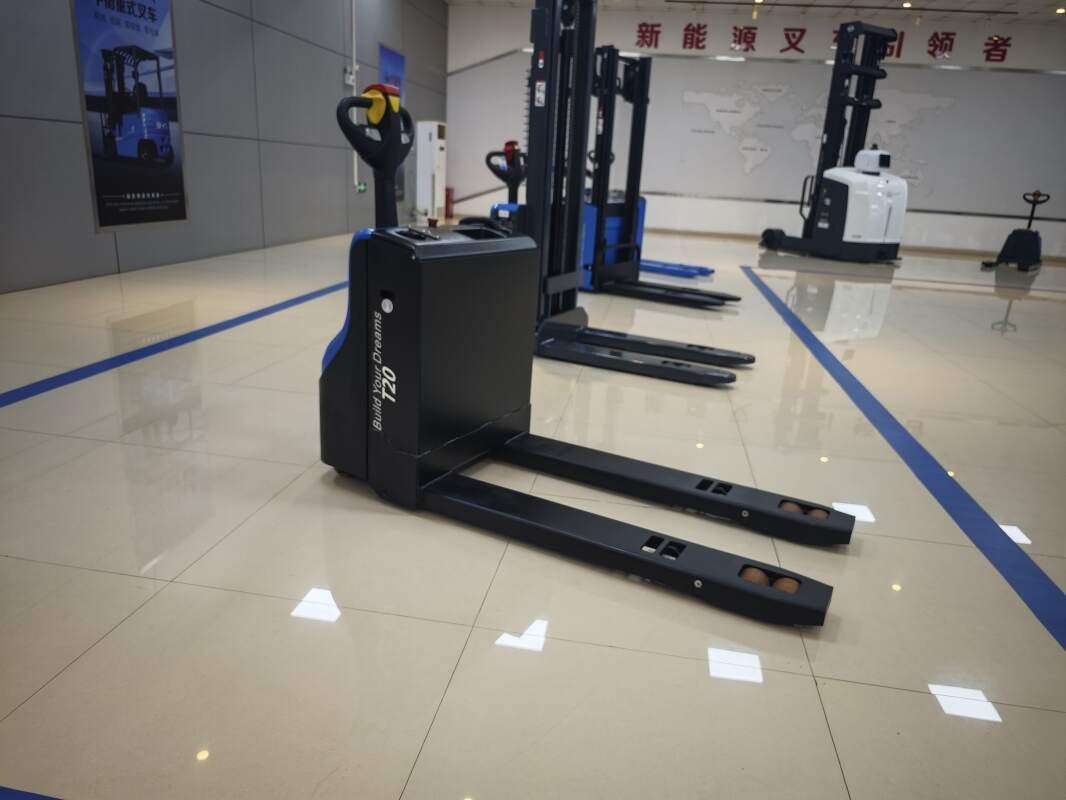
As Jian Shu New Energy, we focus on electric forklift related services, and have carried out targeted adaptation optimization for the high temperature, heavy load operation environment in Nigeria, to help local material handling enterprises tap the full cycle cost saving potential of new energy handling equipment. For any related consultation, you can send email to [email protected] for further communication.


