
 简体中文
简体中文 Русский
 Français
 Português
 Español
 لالعربية
.jpg "What Does Forklift Battery Cycle Life Really Mean for Your Budget?(figure1)")
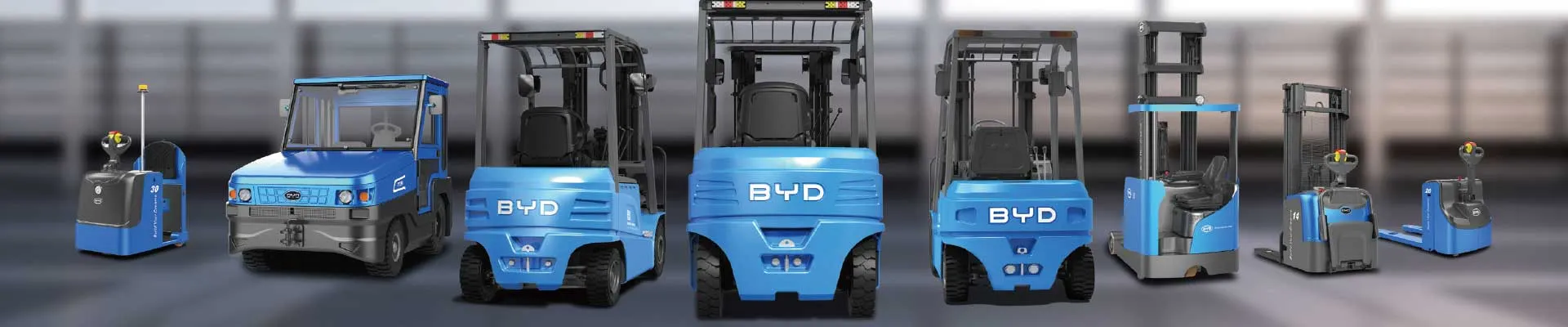
As low-carbon logistics and lean warehouse operation concepts gain wider popularity across industrial sectors, electric forklifts have gradually become a mainstream choice for material handling scenarios compared with traditional internal combustion counterparts. This practical guide sorts out core practical knowledge for operators and warehouse managers to make full use of the value of this type of equipment.
Core Application Scenarios and Functional Values
Unlike fuel-powered handling equipment that produces exhaust emissions and loud operating noise, most common electric forklift models are designed to adapt to closed indoor warehouse, cold storage, food processing workshop and other scenarios that have strict requirements for environmental cleanliness. The adjustable load capacity and telescopic lifting height can meet most daily material handling demands from small parts turnover to large pallet cargo stacking, and the smooth acceleration and deceleration control also reduces the risk of cargo collision during operation. The relatively low operation noise also creates a more comfortable working environment for long-shift on-site staff.
Practical Daily Maintenance Tips for Stable Performance
Routine maintenance work of electric forklifts focuses on the core power system, walking mechanism and hydraulic components. Operators need to check the remaining power status and the sealing condition of the battery shell before starting the equipment every shift, clean the dust and debris accumulated on the surface of the motor and heat dissipation structure regularly, and check the lubrication status of the transmission parts every 100 hours of operation. Doing these basic maintenance work properly can effectively reduce the frequency of unexpected failures in daily use, and avoid unplanned production suspension caused by sudden equipment downtime.
Standard Operation Guidelines to Avoid Unnecessary Loss
Operators should receive systematic pre-job training before independently driving electric forklifts, and strictly refer to the operation manual to arrange driving routes, avoid long-time driving on roads with large slopes that exceed the equipment’s design allowable range, and do not carry out over-limit load lifting operations beyond the rated load mark. After each use, the equipment should be parked in the designated dry and ventilated area, the fork should be lowered to the proper horizontal position, and the power supply should be cut off completely to avoid hidden safety risks. Proper use and targeted maintenance can help enterprises give full play to the operational advantages of electric forklifts, and reduce the comprehensive operation cost of the whole logistics link in the long run.


