
 简体中文
简体中文 Русский
 Français
 Português
 Español
 لالعربية
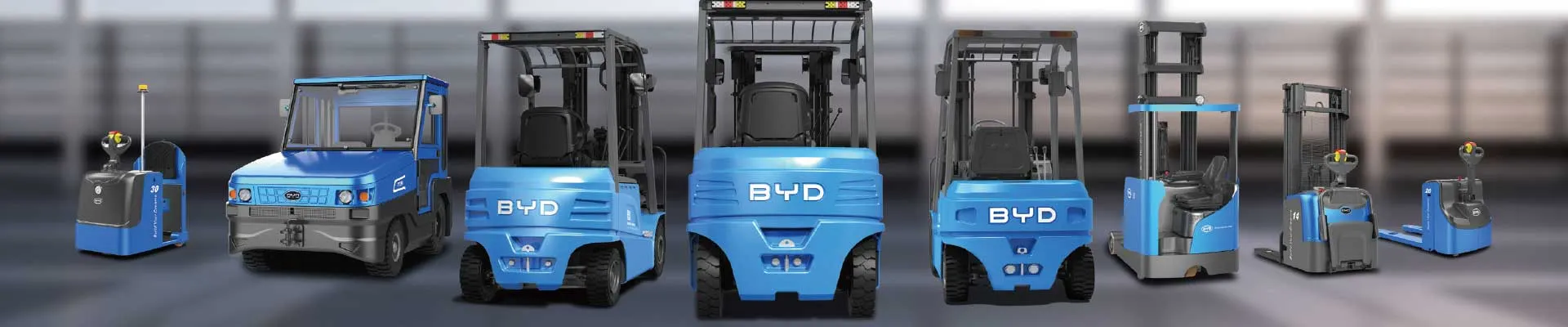
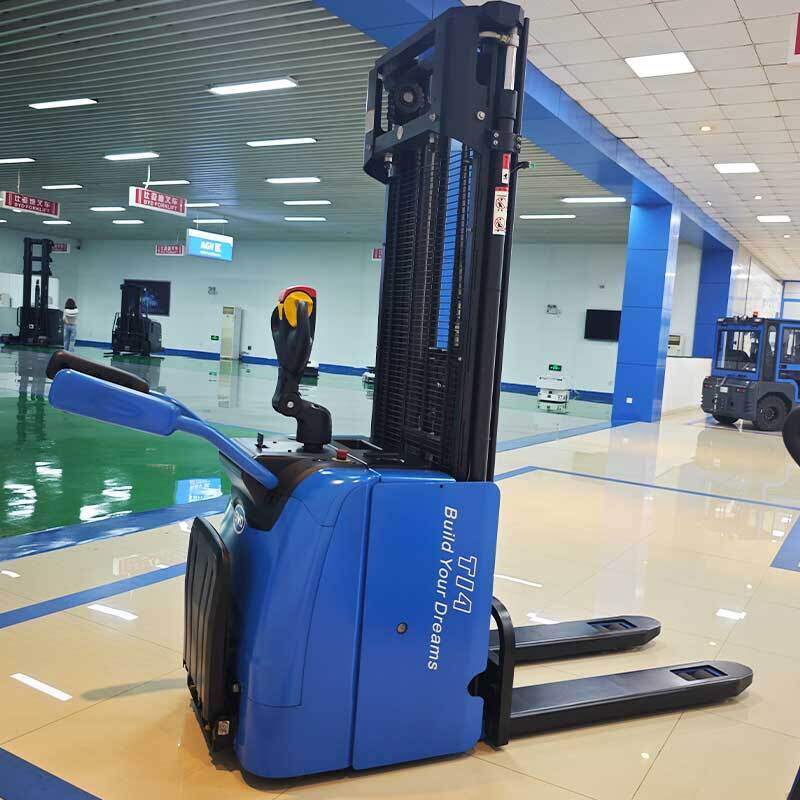
With the continuous development of modern logistics and intelligent manufacturing, electric forklifts have become one of the most widely used material handling equipment in closed industrial scenarios. Many front-line operators and warehouse managers still lack systematic cognition of the correct use and maintenance rules of such equipment, which may cause unnecessary equipment wear and hidden safety risks in daily operation.
Core Performance Features of Modern Electric Forklifts
Compared with traditional internal combustion handling equipment, electric forklifts produce far lower running noise and no exhaust emission, which can meet the environmental protection and health requirements of closed working spaces such as precision workshops, cold chain warehouses and food storage areas. Its power output stays stable and smooth during operation, which effectively reduces the bumping probability of fragile goods in the handling process, and cuts down the extra cost of cargo damage. The overall energy consumption cost per unit operation is relatively controllable, and it can adapt to the use demands of different operation intensities in most medium and small warehouse scenarios.
Standardized Electric Forklift Operation Specifications
Operators need to complete formal pre-job skill training before taking up the post. Before each start-up, they should check the braking system, remaining power, and flexibility of the lifting structure first, and confirm that there are no irrelevant personnel or obstacles in the surrounding operation area before starting the equipment. During driving, the running speed should match the site road condition, and slow down in advance when turning or passing the aisle entrance. Operators should not carry goods beyond the rated load of the equipment, and no staff should stand under the lifting fork when the goods are lifted. After finishing the work, put the fork completely on the ground, pull the hand brake and then cut off the power supply.
Routine Maintenance Tips to Extend Equipment Service Life
After daily operation, clean up the dust and residual debris on the surface of the equipment in time. Check the operation state of the battery pack regularly, and complete the charging operation in accordance with the official operation instructions, avoid long-time overcharging after the power is completely exhausted. Conduct regular lubrication maintenance for the components of the hydraulic lifting system, check whether the circuit interface is loose or worn. If minor faults are found, arrange professional personnel to troubleshoot in time, and do not operate the equipment with faults to avoid larger subsequent loss. Correct operation and maintenance habits can give full play to the performance advantages of electric forklifts, and provide stable support for the daily operation of warehouse logistics.


