
 简体中文
简体中文 Русский
 Français
 Português
 Español
 لالعربية
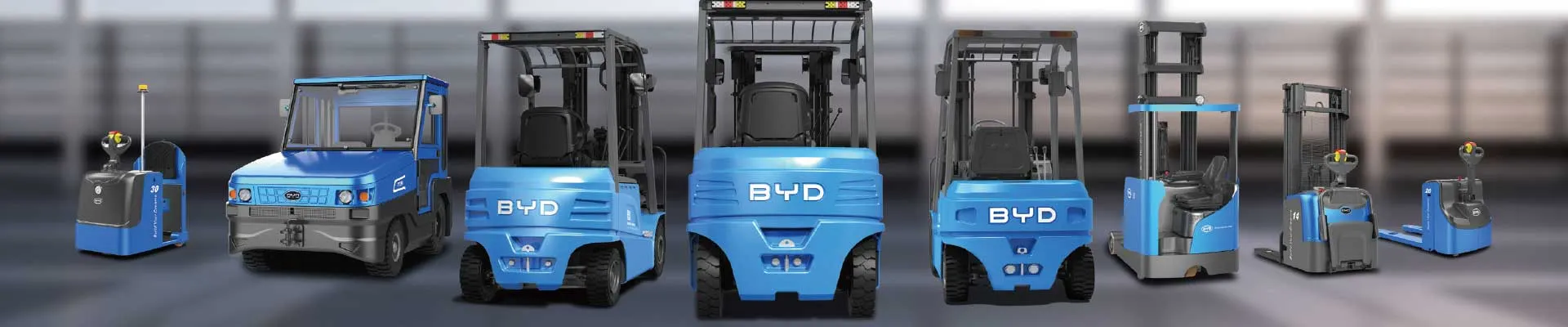
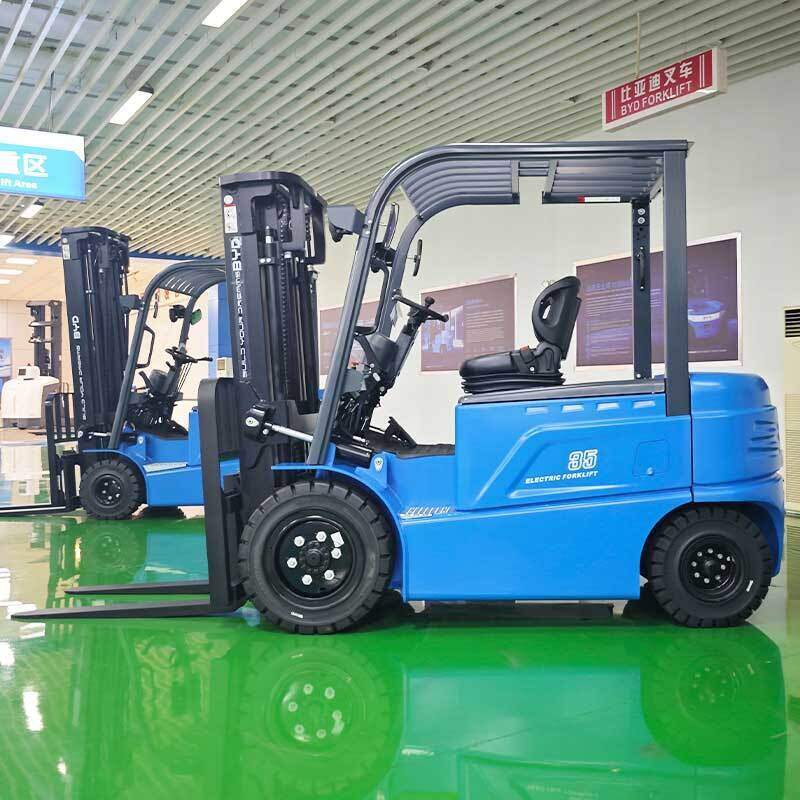
As low-carbon logistics development accelerates across global industrial sectors, electric forklifts have become one of the most widely applied material handling equipment in various warehouse, manufacturing and distribution scenarios, and mastering correct use and management methods can bring tangible benefits to daily operation teams.
Core Performance Features of Modern Electric Forklifts
Different from traditional internal combustion counterparts, modern electric forklifts rely on battery power supply, which generates less noise and no tail gas emission during normal operation, making them more suitable for enclosed indoor operating environments with strict air quality and noise control requirements. Most current models are designed with adjustable parameter settings to adapt to different load weights, moving speeds and turning radius demands, which can meet diversified basic handling demands for most ordinary operating scenes. The relatively compact body structure also brings higher flexibility for operation in limited indoor space.
Standardized Daily Operation Rules
Before starting each shift, operators should conduct basic pre-operation checks, including checking battery power level, brake sensitivity, lifting mechanism flexibility and the integrity of safety warning signs around the equipment. Operators should receive systematic professional training before taking up the post, avoid overloading the equipment beyond its rated load capacity, and keep the moving speed within the reasonable safe range according to the site condition, to avoid unnecessary collision or operational risks. When the equipment is running in narrow passages, operators should slow down in advance and give corresponding reminders to surrounding personnel to ensure the safety of the whole operating environment.
Routine Maintenance and Care Suggestions
Regular routine maintenance work can effectively reduce the probability of sudden equipment failure, and prolong the whole service cycle of the electric forklift. Teams should arrange targeted inspection work on a weekly or monthly basis according to the operating frequency, clean the dust and sundries accumulated on the surface of the power assembly and driving parts, check the wear condition of tires and contact parts, and conduct proper charging management according to the specification requirements of the battery, avoid over-discharging or long-time overcharging behaviors that may cause damage to the battery performance.
Scene Adaptation Optimization Tips
For large-scale warehouses with high frequency of daily handling, users can adjust the corresponding equipment parameter settings according to the height of goods shelves and the weight of conventional goods, to match the actual operation rhythm. For small and medium-sized storage scenarios with limited space, users can select matching operation paths according to the body size of the electric forklift, to improve the turnover efficiency of single handling operations.


