简体中文
 Русский
 Français
 Português
 Español
 لالعربية

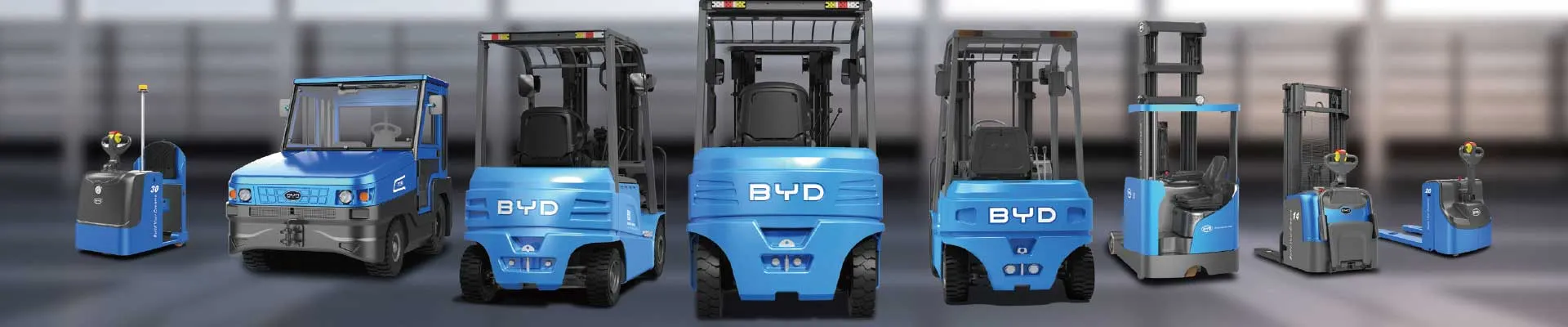
In Malakal, a key logistics hub along the Nile River with growing demands for warehouse operation, port cargo handling and small manufacturing material transfer, electric stackers have gained growing popularity among local enterprise users in recent years. Many operators considering to update their material handling fleets put the actual running cost as the top factor for decision-making, so a clear, practical breakdown of related expenses can help them make more reasonable investment plans.
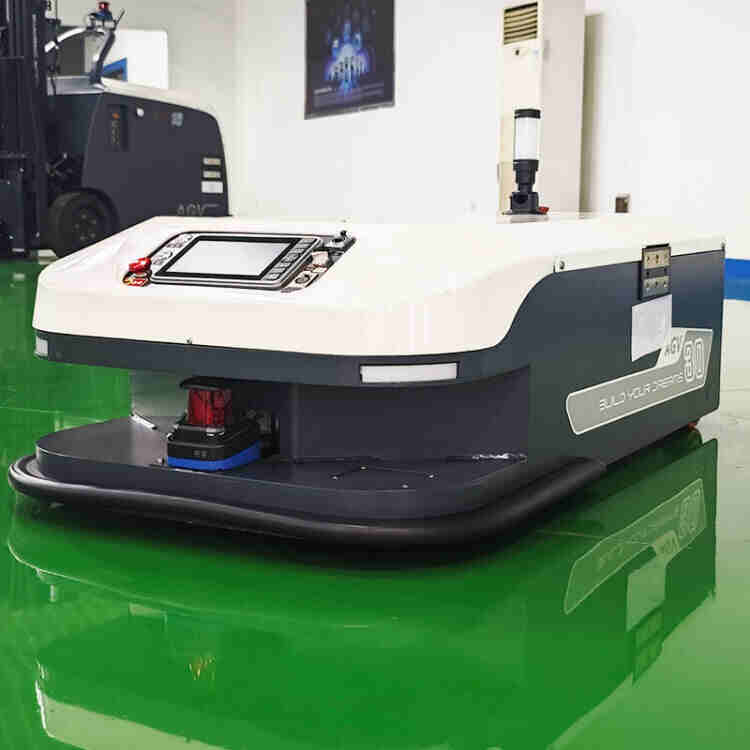
The first core part of running cost comes from energy consumption. Different from internal combustion counterparts that need continuous fuel supply, electric stackers get power from on-board battery packs. Based on local public power tariff standard in Malakal, the hourly energy consumption cost of a standard load electric stacker is around 50% to 65% lower than the fuel cost of an equivalent capacity internal combustion stacker, bringing steady daily operation expense cut for enterprises that run the equipment for 4 to 8 hours per working day.
The second part refers to daily maintenance cost. Electric stackers have far fewer moving wearing parts than internal combustion equipment, there is no need for regular engine oil replacement, filter element update, exhaust system maintenance and other routine service items that are necessary for fuel-powered vehicles. According to actual operation data from local users, the annual maintenance expense of electric stackers can be reduced by more than half compared with traditional fuel stackers, and the equipment downtime caused by maintenance can also be shortened significantly.
There are also hidden cost items that many operators tend to ignore. Local environmental management departments have launched increasingly clear emission supervision rules for industrial fuel vehicles in recent years, and relevant annual inspection fee, extra emission governance fee and possible non-compliance fine do not apply to zero-emission electric stackers. Besides, high-quality electric stackers usually have longer service life and higher residual value after years of normal use, which can further lower the average annual comprehensive running cost.
As Jian Shu New Energy, we focus on BYD electric forklift products and supporting services, and we provide customized running cost calculation and fleet operation optimization suggestions for local users in Malakal. If you have any demand for electric stacker configuration selection or cost evaluation, you can send your inquiry to [email protected] for further professional support.