
 简体中文
简体中文 Русский
 Français
 Português
 Español
 لالعربية
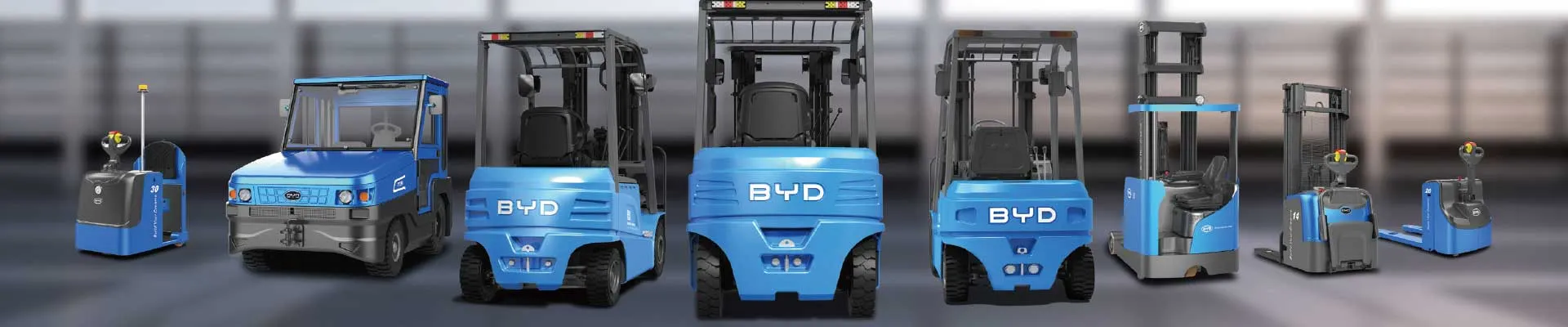
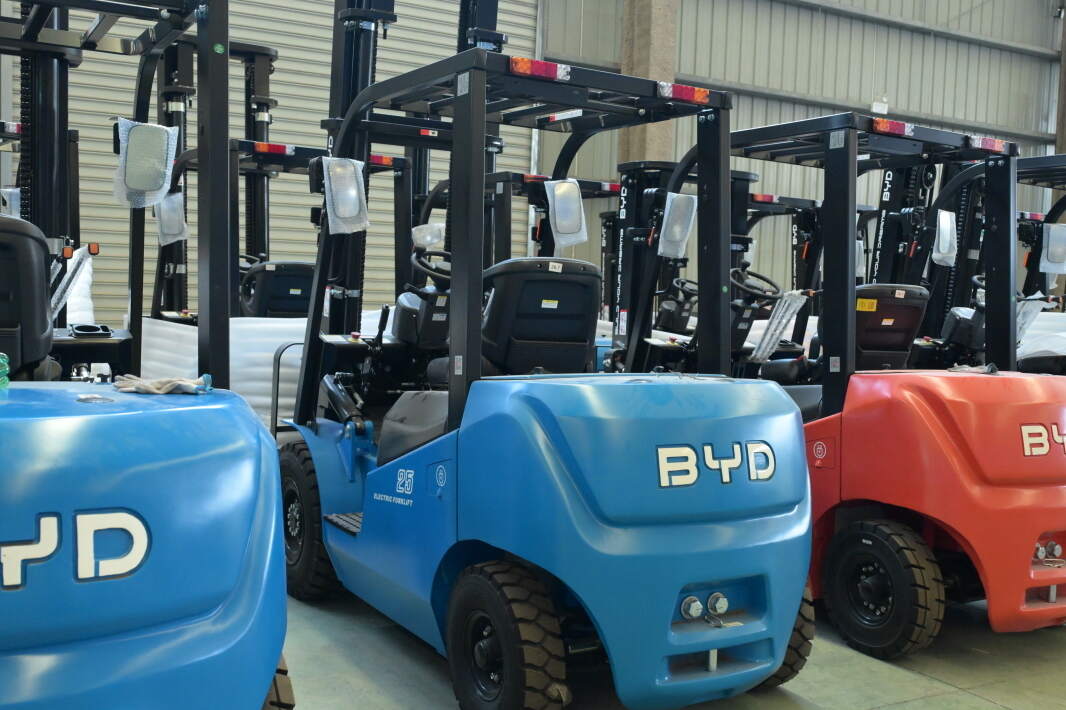
As a core equipment supporting modern industrial and warehouse logistics, electric forklifts have been widely applied for their low noise, zero local emission and flexible operation features. Mastering systematic operation and maintenance knowledge can help teams give full play to the equipment’s performance and keep stable long-term operation state.
Core Pre-operation Inspection Items
Before each shift starts, operators need to complete a full range of basic checks before officially starting the equipment. The first step is to confirm the remaining power level of the power system, and check whether the appearance of the power unit has abnormal leakage or loose connection. Next, operators need to test the response sensitivity of the brake system, the flexibility of the steering structure, and the smooth lifting and lowering state of the fork assembly, and confirm that all warning lights and sound prompts can work normally. Operators should also check the surrounding working area to clear obvious obstacles that may affect the moving route.
Routine Maintenance Specifications for Long-term Stable Operation
Daily standardized maintenance can effectively reduce the probability of unexpected failures and prolong the overall service life of the equipment. For the power unit, operators should follow the official charging requirements, avoid deep discharge for a long time, and do not interrupt the charging process frequently before the battery is fully replenished. It is also necessary to regularly clean the dust accumulated on the surface of the motor and heat dissipation structure, check the tightness of each wiring harness interface, and apply appropriate lubricant to the movable connecting parts such as the hinge of the door frame on a regular basis, to reduce abnormal wear caused by long-term friction.
Operation Optimization Methods to Improve Working Efficiency
In daily material handling work, reasonable operation habits can effectively improve the overall operation efficiency without extra investment. Operators can make a reasonable handling route planning in advance according to the distribution of goods and storage positions, avoid repeated turning and long-distance empty load driving, and try to avoid frequent sharp acceleration and sudden deceleration during the driving process. When carrying goods, operators should confirm that the goods are placed stably on the fork to avoid slipping during moving, and keep the load within the rated load range to avoid extra burden on the power and hydraulic system.
Scenario-based Safety Adaptation Tips
Different working scenarios have different requirements for the operation of electric forklifts. When working in narrow aisles, operators should control the driving speed at a low level and pay attention to the position of surrounding personnel and shelf structures. In low temperature environment, relevant anti-freeze protection measures should be taken for the power system in time after the operation is completed. In relatively humid working environment, operators should avoid driving through deep water accumulation areas to prevent damage to the internal circuit structure.


