简体中文
 Русский
 Français
 Português
 Español
 لالعربية

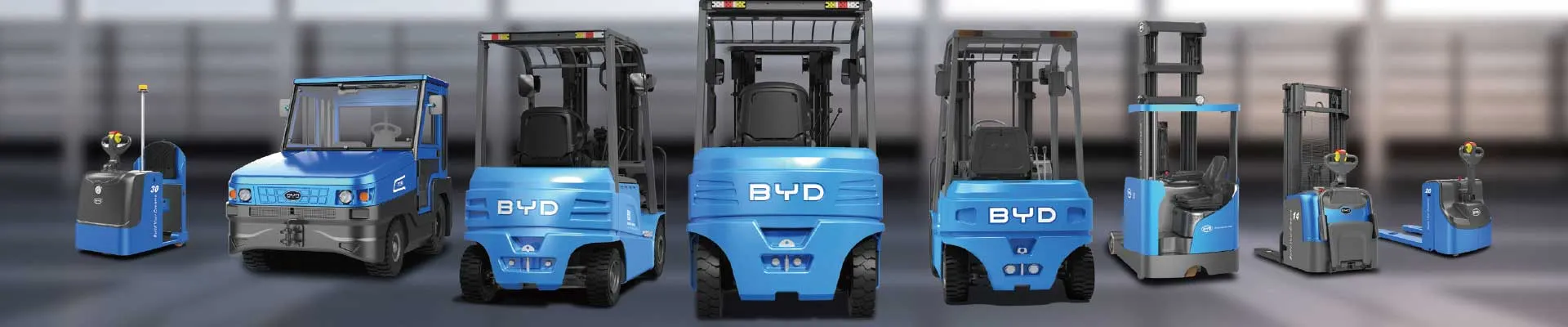
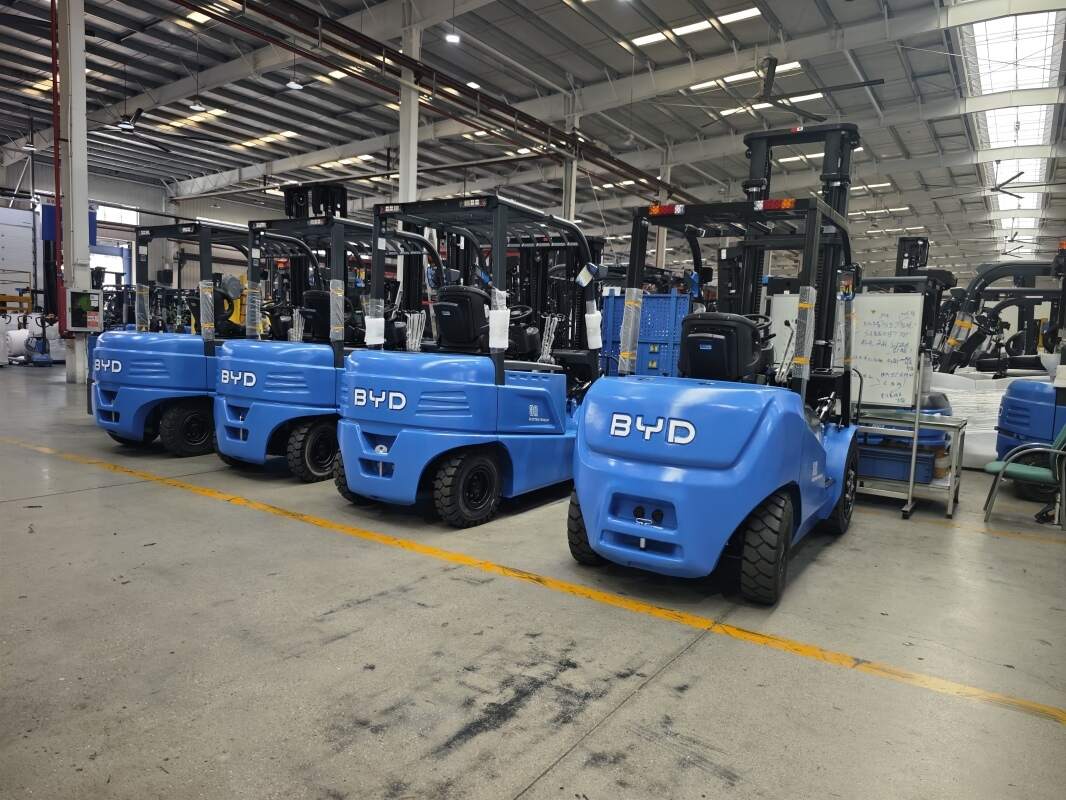
As a core cargo circulation hub covering the Red Sea regional trade network, Port Sudan maintains high-frequency operation of various material handling equipment all year round, and the special local high temperature, high dust working environment puts forward clear requirements for the stability and operation cost control of forklift equipment. For operation teams that have deployed BYD four-wheel electric forklifts in local port scenarios, formulating a scientific, hierarchical maintenance budget can effectively avoid unexpected cost expenditure, reduce equipment failure rate, extend the overall service life of the equipment, and ensure the continuous and stable progress of port logistics processes.
We are Jianxin New Energy, a professional service provider focusing on BYD electric forklift related supporting services, and we have accumulated rich practical experience in maintenance cost planning and on-site service for port operation scenarios. We divide the total annual maintenance budget of BYD four-wheel forklifts in Port Sudan into three reasonable parts for reference.
The first part is the routine regular maintenance budget, which accounts for about 60% of the total annual maintenance budget. This part of the cost is mainly used for regular inspection of power systems, walking structures, hydraulic transmission components and operation control modules, replacement of conventional wearing parts including brake pads, sealing rings and wear-resistant protection parts for tire surfaces, as well as regular health detection of the power battery system. Combined with the local environmental characteristics of Port Sudan, we recommend arranging one full set of routine maintenance for every 200 to 250 working hours of the equipment. The cost of single routine maintenance is stable and controllable, and long-term standardized investment can effectively reduce the probability of sudden equipment failure.
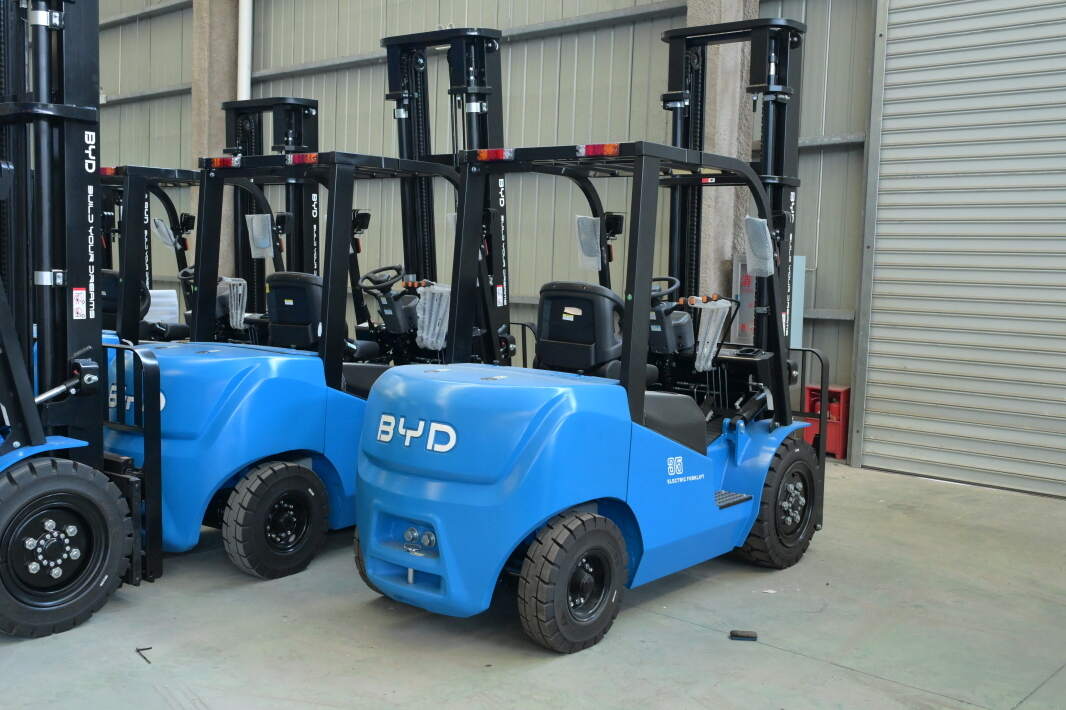
The second part is the non-routine maintenance reserve budget, which accounts for about 30% of the total annual maintenance budget. This part of the fund is specially reserved to deal with accidental component wear caused by special working conditions, such as impact damage of outer structural parts in the process of heavy cargo handling, full disassembly and cleaning of the heat dissipation system after long hours of continuous operation in high temperature weather. We suggest that this reserve budget shall not be diverted to other non-equipment related expenditures, so as to ensure that professional maintenance technicians can be arranged for troubleshooting at the first time after abnormal signs appear on the equipment, and avoid larger shutdown losses caused by prolonged waiting for maintenance.
The last part, which accounts for about 10% of the total maintenance budget, can be used for operation specification training for on-site forklift drivers. Regular standardized skill training can effectively avoid equipment damage caused by irregular operation habits, and further reduce unnecessary extra maintenance cost expenditure. If you need a more targeted customized maintenance budget scheme that matches your actual operation scale and equipment usage in Port Sudan, you can contact our professional service team via email at [email protected], and we will provide you with practical guidance that fully suits your actual operation status.