简体中文
 Русский
 Français
 Português
 Español
 لالعربية

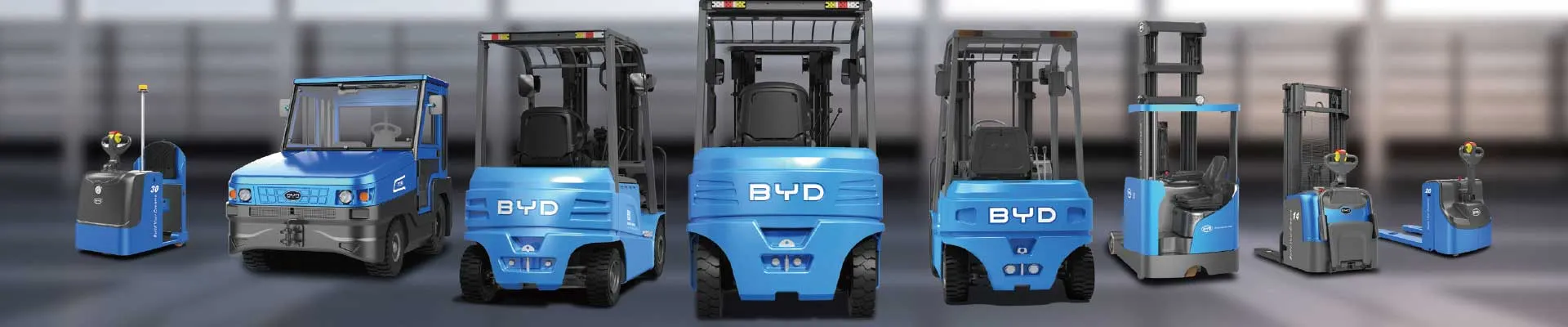
As Senegal’s logistics, port operation, warehousing and manufacturing sectors continue to expand in recent years, the demand for efficient material handling equipment including electric stackers has maintained steady growth. Many local enterprise operators face a common decision when purchasing electric stackers: to pick the lead-acid battery model or the lithium-ion battery variant, with cost being the top priority that influences the final choice.
Many buyers only compare the initial purchase cost in the first step. Under the same load capacity and configuration, the electric stacker equipped with lead-acid batteries usually has a lower upfront price, which is quite attractive for small and medium-sized operators with limited short-term budget. However, few purchasers take the full lifecycle cost into full account at the decision-making stage, which may bring extra unexpected expenditure in later operation.
For the daily operation cost part, the difference between the two types of batteries is quite obvious. Lithium-ion batteries support fast charging, which allows operators in Senegal to arrange charging during low-price off-peak electricity periods, effectively cutting down the total electricity expense. Lead-acid batteries need several times longer full charging time, which makes it hard to arrange flexible charging plans to take advantage of low tariff periods, and will generate higher long-term electricity cost for frequent usage scenarios.
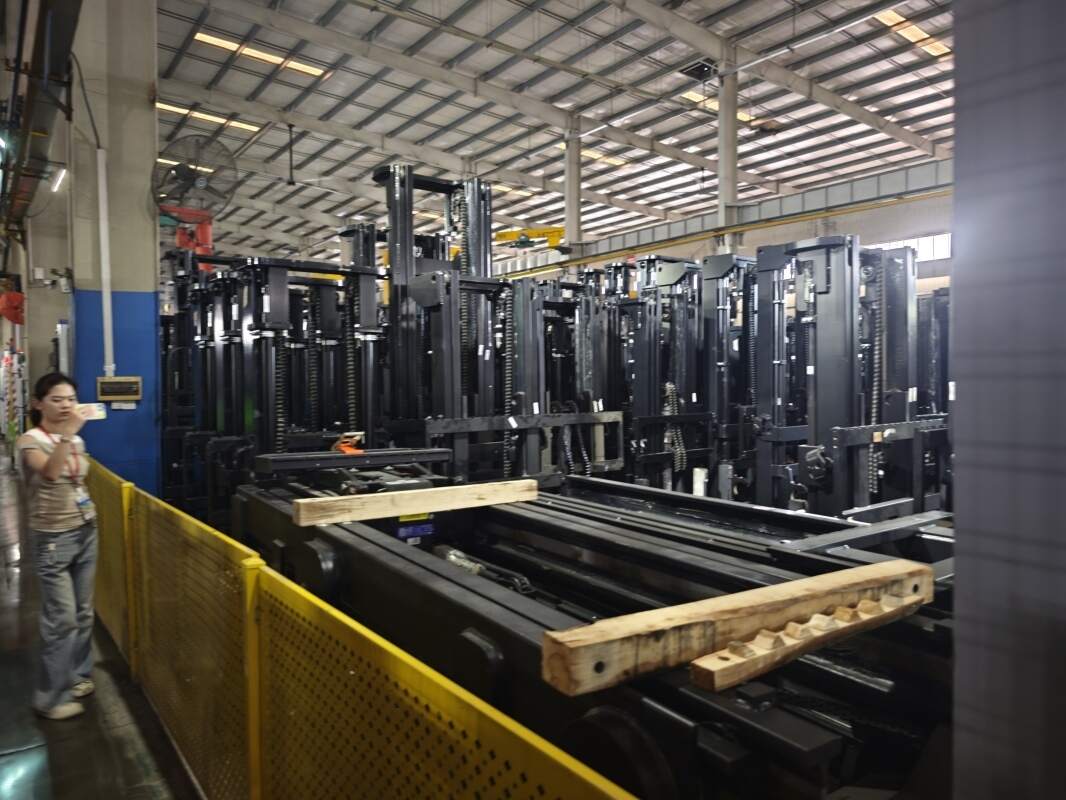
Considering the local high ambient temperature in most parts of Senegal, lead-acid batteries need regular maintenance including distilled water supplement and cell balance check to extend service life, which requires extra dedicated labor input and related maintenance material cost. Lithium-ion batteries for electric stackers are designed with maintenance-free features, which can save all the extra maintenance labor and material cost during daily operation.
From the service life perspective, the cycle life of standard lithium-ion batteries is 3 to 4 times that of regular lead-acid batteries under normal working conditions. Lead-acid batteries usually need full replacement after 2 to 3 years of frequent use, which adds a large unplanned cost that many purchasers ignore in the initial budget. In contrast, lithium-ion batteries can support the whole service life of the electric stacker without mid-term replacement, which largely reduces the long-term total ownership cost.
Jianshu New Energy, a service provider focusing on BYD electric forklifts, has built a mature localized service system in Senegal, and can provide targeted cost calculation suggestions for customers with different operation scales and usage scenarios. For any related consultation, you can send email to [email protected] to connect with our professional technical consultant team.