简体中文
 Русский
 Français
 Português
 Español
 لالعربية

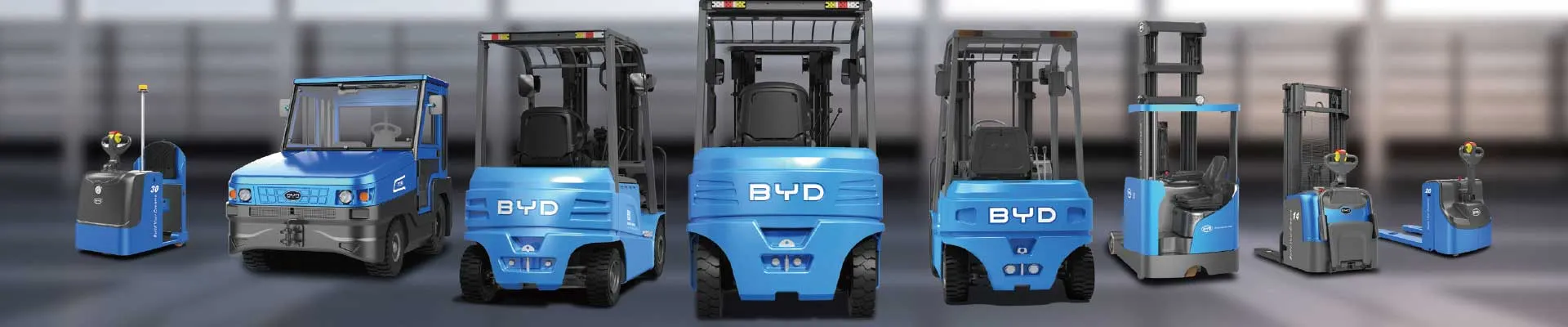
Dakar, as the core logistics and distribution hub of West Africa, has seen continuously growing demand for material handling equipment in port terminals, urban distribution warehouses and local manufacturing parks. When local operators choose electric forklift solutions, the choice between lithium-ion and lead-acid battery configurations is one of the most frequent decision points, and the full cost dimension is the core reference indicator that many teams focus on.
At the initial procurement stage, forklifts equipped with lead-acid batteries show relatively low upfront input under the same load capacity standard. But when expanding the accounting scope to the full operation cycle, the actual cost gap will change obviously under Dakar’s unique tropical high temperature and humid climate.
For daily operation and maintenance, lead-acid batteries need regular water replenishment, equalization charging and special ventilation storage, each unit will consume 2 to 3 hours of extra labor per month for routine maintenance, which will generate additional labor cost and planned downtime. Lithium-ion batteries do not need such daily maintenance operations, which can free up the corresponding manpower to invest in other core operation links, and avoid the hidden cost of idle equipment caused by missed maintenance.
In terms of operation efficiency, lead-acid batteries need 8 to 10 hours to complete full charge, and cannot support fast top-up charging during short breaks of two-shift operation. Lithium-ion batteries can replenish 50% of power within 1.5 hours, no extra spare battery and special independent charging room are required, which saves the site transformation and spare battery reserve cost for local operation teams. The high temperature resistance performance of lithium-ion batteries is more adapted to Dakar’s climate conditions, the service life under proper use is 3 to 4 times that of standard lead-acid batteries, and the battery cost allocated per hour of operation is much lower.
In the link of end-of-life disposal, local compliant waste lead-acid battery treatment needs to pay extra management fees, while the mature lithium-ion battery recycling system can provide more stable residual value return. We are Jian Shu New Energy, focusing on BYD electric forklifts, we can provide targeted cost calculation schemes for different operation scales of local customers, if you have relevant demand, you can send email to [email protected] for consultation. It is recommended that local operators make the final selection after fully combining their own operation frequency, site conditions and long-term operation planning, instead of only referring to the initial procurement cost.