
 简体中文
简体中文 Русский
 Français
 Português
 Español
 لالعربية
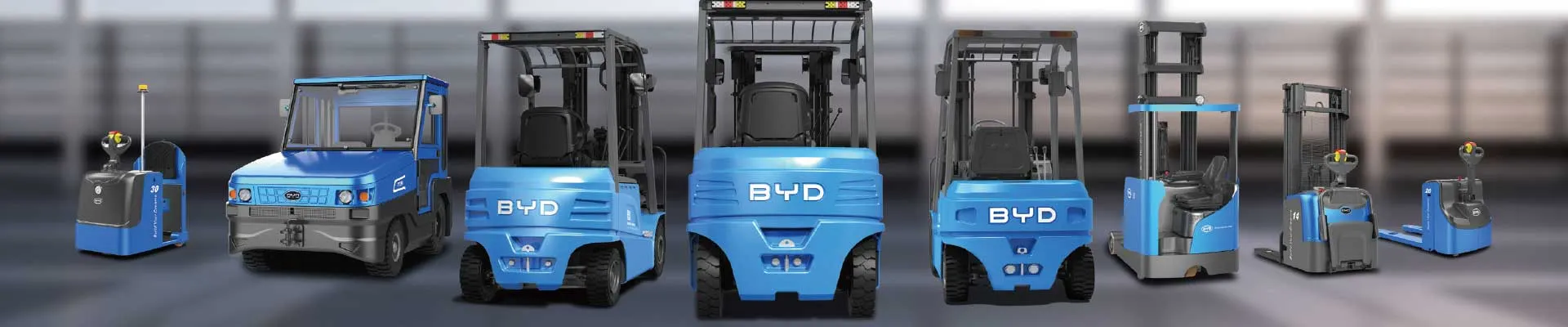
.jpg "Lithium Forklift Battery Charging Guide: Timing, Temperature and Care(figure1)")
With the growing demand for low-carbon and high-efficiency material handling solutions in modern industrial and warehousing industries, electric forklifts have become one of the most widely used industrial handling equipment in indoor and closed operation scenarios. Based on years of industry research and front-line application experience, this guide sorts out practical, evidence-based content for operators and warehouse managers to refer to in daily work.
Core Performance Features of Modern Electric Forklifts
Different from traditional internal combustion powered counterparts, electric forklifts operate with much lower noise and zero tail gas emission, which meet the environmental protection requirements of indoor production workshops, cold chain storage and food processing scenarios. The upgraded power battery configuration on most new models can support 6 to 8 hours of continuous operation under standard rated load, and the whole structure has fewer easily worn mechanical parts compared with fuel powered equipment, which can effectively reduce long-term operation loss for operation teams.
Standardized Daily Operation Specifications
Before starting each shift, operators are suggested to complete a full pre-operation check, covering the flexibility of brake system, the stability of lifting mechanism, the remaining power of battery and the normal status of warning lights. During operation, staff should keep the load within the rated bearing range of the equipment, avoid sharp steering or sudden braking when carrying elevated goods, and keep a safe distance with surrounding pedestrians and shelf structures in narrow warehouse aisles. For operation on sloped ground, operators are advised to keep the load facing the uphill direction to prevent accidental slipping of goods.
Practical Regular Maintenance Suggestions
Regular maintenance work can effectively extend the whole service life of electric forklifts and reduce unexpected downtime risks. Operators can wipe the battery contact surface to avoid dust accumulation after each shift, check the sealing performance of hydraulic pipelines at fixed cycles, and replace worn tire parts in time to avoid unstable driving status. It is not recommended to disassemble or modify the power circuit system of the equipment without professional guidance, and all overhauls for core components should follow the official operation guidance provided by the manufacturer.
Efficiency Optimization for Different Application Scenarios
For high turnover e-commerce warehouses with frequent material handling demands, users can select matched auxiliary attachments to reduce the auxiliary operation time of goods picking and stacking. For low temperature cold storage scenarios, special power battery configuration adapted to low temperature environment can effectively reduce the attenuation of battery performance and keep stable operation status. For multi-shift continuous operation scenarios, reasonable charging schedule arrangement can avoid operation interruption caused by insufficient power.


