
 简体中文
简体中文 Русский
 Français
 Português
 Español
 لالعربية
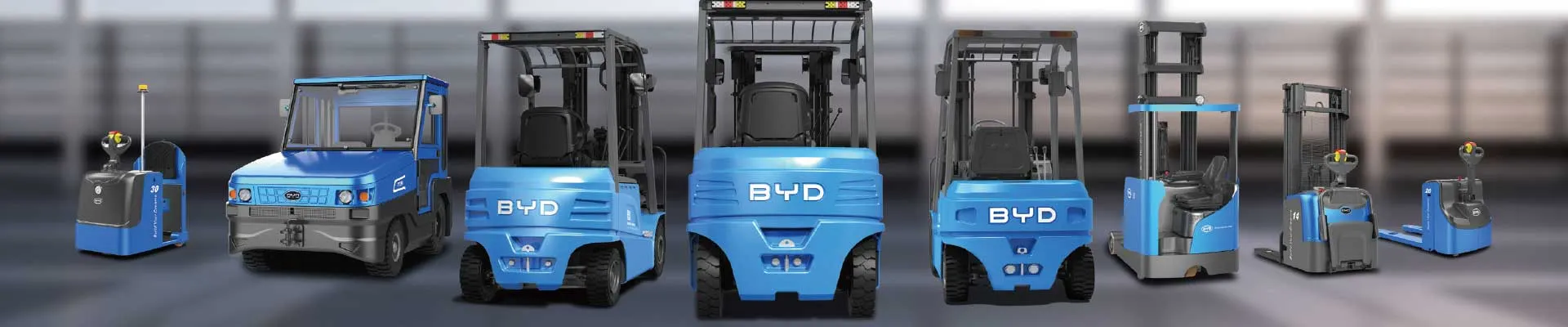
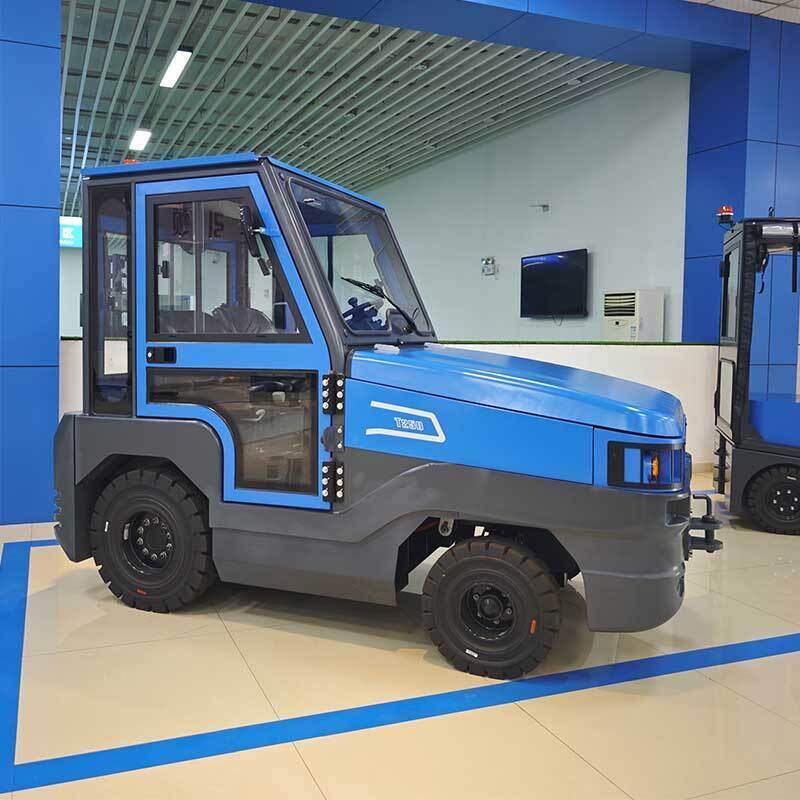
As low-carbon logistics becomes the mainstream development trend of the material handling industry, electric forklifts have gradually become the preferred handling equipment for most indoor and semi-indoor operation scenarios, replacing a large share of traditional internal combustion handling equipment in recent years.
Core Performance Features of Electric Forklifts
Unlike fuel-powered counterparts, electric forklifts are driven by electric energy, which produces almost no exhaust emissions during operation, making them suitable for closed or poorly ventilated warehouse spaces, food processing workshops and retail storage areas that have strict requirements for air quality. The running noise of standard electric forklifts is kept at a relatively low level, which can reduce noise interference for on-site operators and other staff working in the same area, and avoid the noise pollution problem that often occurs in long-term continuous operation in enclosed industrial parks. Most of the current electric forklift models adopt integrated electric control systems, which can adjust output power dynamically according to the actual load weight and operation speed, bringing relatively stable operation experience for operators.
Daily Maintenance Guidelines for Long-term Stable Operation
Regular daily inspection is the key to keep electric forklifts in good working condition. Operators need to check the remaining power level of the power module before starting the machine every shift, confirm that the connecting parts of the power supply circuit are free of looseness or abnormal wear, and wipe the dust and debris accumulated on the surface of the power module heat dissipation structure to avoid affecting the normal heat dissipation effect. It is also necessary to check the wear degree of the walking wheels and lifting hydraulic components regularly, add suitable lubricating oil for the movable connecting parts according to the operation frequency, and carry out targeted professional inspection for the electric control module every 3 to 6 months according to the actual operation intensity.
Safe Operation Points for Different Application Scenarios
In actual operation, operators need to adjust the running speed of the electric forklift according to the site road condition, load weight and surrounding personnel density, avoid sudden acceleration or sudden stop when carrying heavy goods, and keep the goods at a proper low height during moving to prevent the goods from tipping over and causing safety risks. For operation scenarios with frequent entry and exit of narrow aisles, operators can adjust the steering sensitivity parameter of the equipment properly within the allowed range of the operation manual, to get more flexible operation performance, reducing the collision probability between the equipment and the shelf structure. Proper use and regular maintenance can give full play to the using value of electric forklifts, bringing more efficient and low-carbon material handling solutions for different industrial and commercial scenarios.


