
 简体中文
简体中文 Русский
 Français
 Português
 Español
 لالعربية
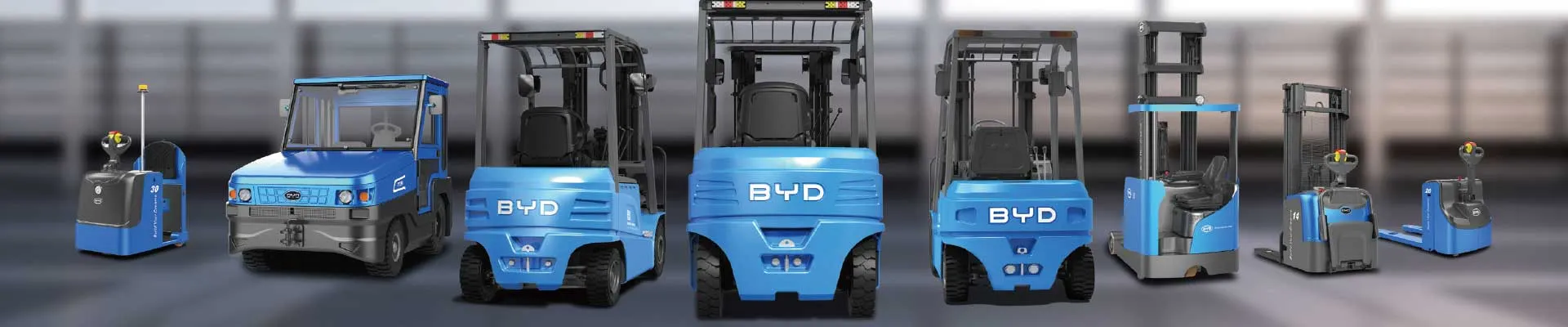
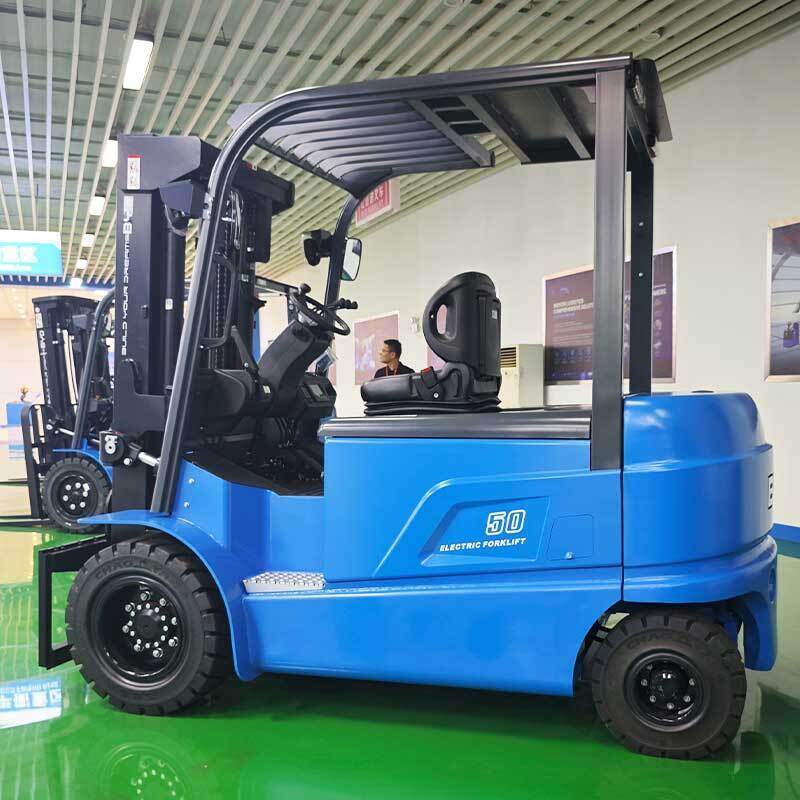
With the rapid development of modern green logistics, electric forklifts have become one of the most widely used handling equipment in indoor warehouses, manufacturing workshops and distribution centers, featuring low noise, no tail gas emission and relatively low long-term operation cost. Mastering systematic use and management knowledge of electric forklifts can help enterprises make full use of the equipment’s performance, ensure operation safety and reduce unnecessary consumption.
Core Daily Operating Specifications
Before starting the equipment, operators need to complete a full visual inspection first, checking the remaining battery power, brake sensitivity, lifting and tilting function of forks, and surrounding operation space to avoid hidden risks caused by unnoticeable obstacles. During the operation process, it is not recommended to carry goods beyond the rated load range of the equipment, and the driving speed should be properly reduced when turning, passing intersections or meeting pedestrians in the operation area. When transporting high stacked goods, operators should keep a clear sight through the reserved viewing gap, or drive in reverse direction if the view is completely blocked by cargo.
Routine Maintenance Tips for Extended Service Life
Standardized daily maintenance can effectively reduce the failure rate of electric forklifts, and extend the overall service cycle of the core components including battery and hydraulic system. Operators need to clean the battery surface and contact points regularly, avoid completely draining the battery power before charging, and prevent the battery from being exposed to strong direct sunlight for a long time in high temperature environment. It is also necessary to check the hydraulic oil level and tire wear condition at fixed intervals, clean the sundries accumulated around the walking motor and heat dissipation structure in time, and park the equipment in the designated flat area with hand brake pulled up when not in use for a long time.
Safety Guidelines for Special Scenarios
When working in narrow warehouse aisles, operators should keep the fork height at a relatively low position to avoid touching the top of goods or shelf frames during driving. When moving on a gentle slope, keep the cargo side facing the uphill direction, maintain a stable low driving speed, and do not turn on the slope to avoid sideslip. For operations in low temperature cold storage environments, relevant adaptive protection measures for the battery system can be configured according to actual demands, to reduce the impact of low temperature on equipment cruising range. Reasonable operation and targeted maintenance of electric forklifts can help logistics and manufacturing enterprises achieve more stable material handling processes, and better adapt to the development trend of low-carbon green logistics.


