
 简体中文
简体中文 Русский
 Français
 Português
 Español
 لالعربية
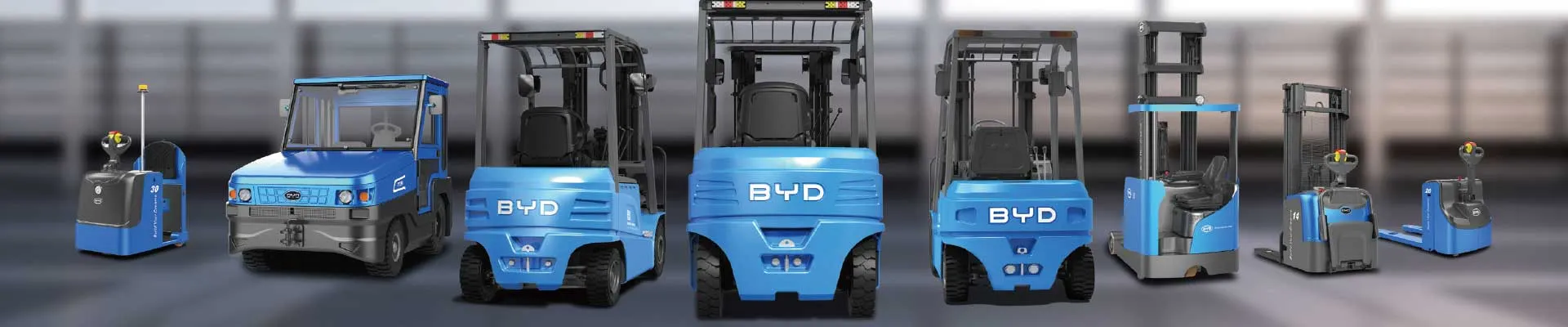
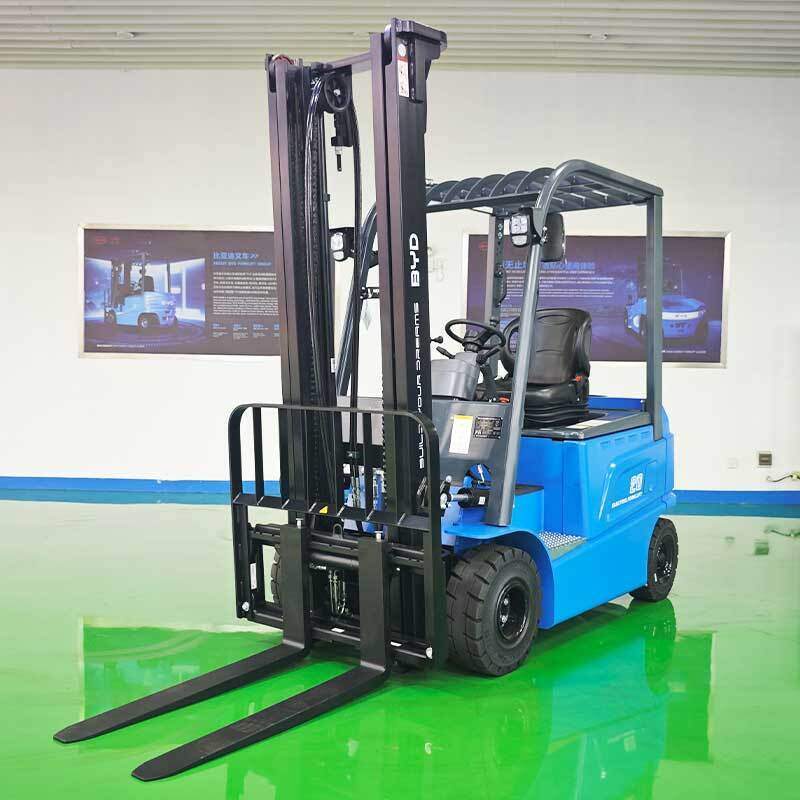
With the continuous popularization of low-carbon operation concepts in the global warehousing and logistics sector, electric forklifts have gradually become a core type of widely applied material handling equipment in closed indoor working scenarios. A large number of front-line operation teams are looking for systematic, practical professional guidance to optimize operation flow, control usage cost and extend the whole service cycle of equipment.
Basic Operation Specifications for Daily Scenarios
Before starting the equipment, operators need to complete a full range of pre-operation checks, including confirming remaining battery level, brake sensitivity, lifting chain tightness and peripheral no-obstacle condition, to eliminate hidden risks in advance. During operation, personnel should strictly follow the specified operation procedures, do not exceed the rated load range of the equipment, avoid sharp steering when carrying heavy cargo, keep stable running speed in narrow warehouse aisles to reduce collision risks. Personnel without completing formal professional safety training should not independently operate the electric forklift to avoid unnecessary safety accidents.
Routine Maintenance Points to Reduce Unplanned Downtime
Daily maintenance work is an important link to keep electric forklifts in long-term stable working condition. Operators can clean up dust and accumulated sundries on the surface of motor and circuit components after each shift, regularly check the connection state of battery contact points to avoid poor power supply caused by long-term wear. Professional maintenance personnel can arrange lubricating oil replacement for the lifting system according to the specified working cycle, and avoid exposing the equipment to continuous heavy rain for a long time to prevent internal circuit water ingress. Standardized daily maintenance can effectively reduce the frequency of unexpected failures, and avoid unplanned downtime that affects the normal operation of the whole warehousing system.
Scenario Matching Usage Suggestions
For different special working scenarios, operation teams can adjust the usage strategy of electric forklifts properly. In low-temperature cold storage scenarios, teams can adjust the battery discharge parameters reasonably according to the ambient temperature to ensure stable power output. For long-time continuous operation scenarios, arranging reasonable shift rotation can prevent the motor from running under high load for too long. For narrow high-shelf aisle scenarios, selecting equipment with matching turning radius parameters can effectively improve the overall space utilization rate of the warehouse. Scientific usage and management can give full play to the inherent advantages of electric forklifts including low noise, zero local emission and low operation cost, and provide stable support for daily material handling work.


