
 简体中文
简体中文 Русский
 Français
 Português
 Español
 لالعربية
.jpg "Forklift Refresher Training: Why It Matters and How Often(figure1)")
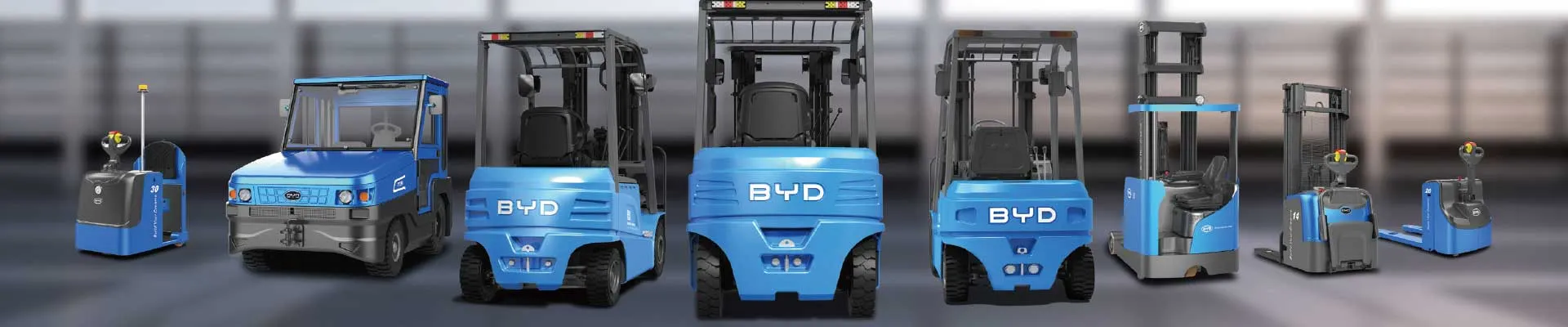
As a widely applied core equipment in modern indoor logistics scenarios, electric forklifts have been recognized for their low noise and zero local emission features in recent years. Proper operation and regular maintenance can help teams maximize the value of the equipment, avoid unexpected downtime, and create a more stable working environment for frontline operators.
Core Pre-operation Daily Check Procedures
Before each formal shift starts, operators can complete a series of simple checks within 3 to 5 minutes to eliminate most hidden risks in advance. The check scope covers the status of the power system, the flexibility of steering and lifting mechanisms, the wear degree of tire treads, and the normal function of all safety warning lights and brake systems. Operators can record abnormal minor findings in the daily log book on time, and notify the in-house maintenance team for follow-up processing instead of forcing the equipment to run under abnormal status.
Efficient Operation Habits to Reduce Unnecessary Wear
Many unnecessary component wear of electric forklifts comes from non-standard operation habits accumulated in daily work. Operators are suggested to avoid frequent sharp turns under full load status, do not press the acceleration pedal to the maximum level when the equipment is still in static status, and keep a safe distance with surrounding shelves, personnel and other logistics equipment during moving processes. When the equipment needs to stop for more than 10 minutes in the working scene, operators can turn off the running power system properly to reduce unnecessary power consumption and idle wear of internal components.
Scientific Load Management for Higher Energy Efficiency
Reasonable load distribution and arrangement can further improve the single-shift working efficiency of electric forklifts. Operators should confirm the actual load weight before lifting any goods, and do not carry loads beyond the rated load range of the equipment. For long-distance material handling tasks, teams can arrange route planning in advance to reduce repeated moving and detour paths, which can effectively extend the continuous working time per full charge. After the shift ends, operators are suggested to park the equipment in the designated fixed area, lower the lifting fork to the horizontal position close to the ground, and connect the power supply for charging following the official guidance.
By following these standardized operation and maintenance rules, logistics teams can create a safer, more stable working condition for electric forklift fleets, and gain better overall input-output performance in long-term daily application.


