
 简体中文
简体中文 Русский
 Français
 Português
 Español
 لالعربية
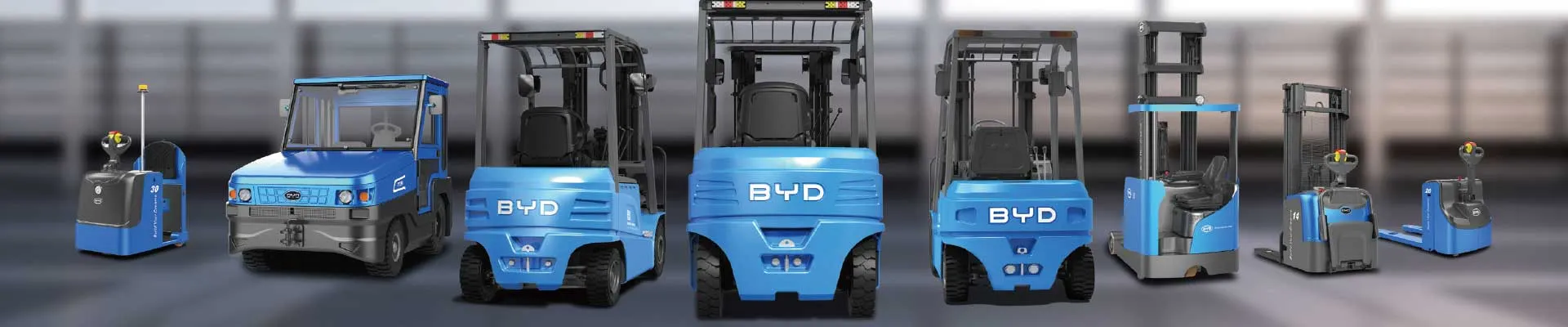
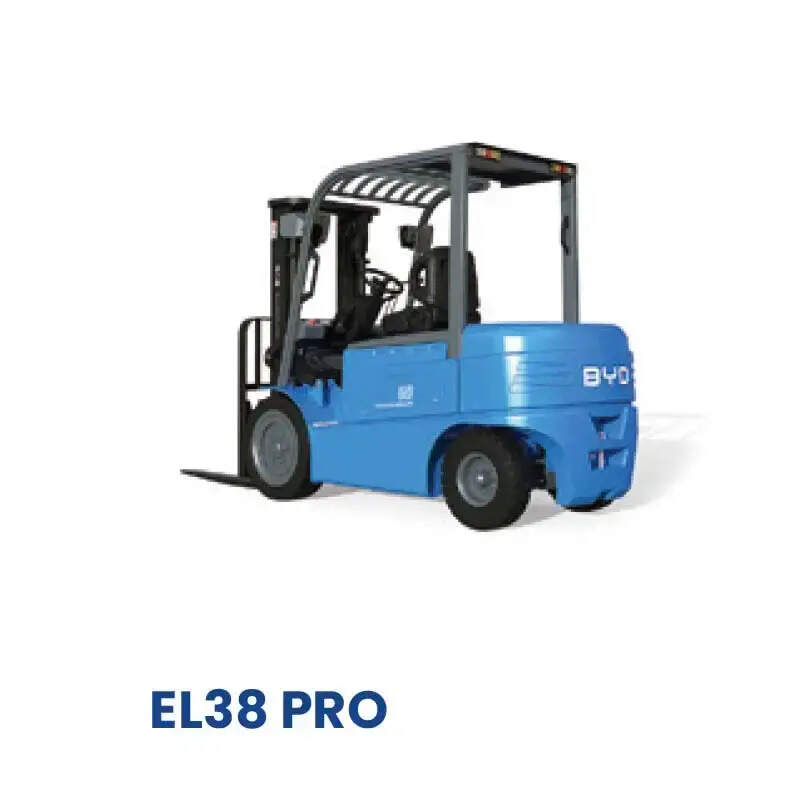
As a core type of low-carbon industrial handling equipment, electric forklifts have been widely applied in different logistics and warehouse scenarios in recent years, bringing stable performance and relatively low operation cost for related teams. Mastering proper operation and maintenance rules can help operators make full use of the equipment advantages while avoiding unnecessary safety risks.
Core Pre-operation Check Protocols
Before starting any operation work, operators need to complete a series of basic checks to eliminate hidden risks in advance. It is suggested to check the remaining battery power level first to avoid sudden power off during cross-area operation, then inspect the brake system, steering structure and lifting hydraulic parts to confirm no abnormal resistance or leakage phenomenon appears. Operators also need to check the surface condition of forks and wheels, confirm no obvious deformation or serious wear exists, and observe the surrounding working area to clear away scattered obstacles or unrelated personnel before starting the equipment.
Standard Daily Operation Norms
During the whole operation process, operators should keep stable driving speed instead of harsh acceleration or sudden brake, especially when the equipment is carrying heavy loads. When turning at corners or passing narrow warehouse aisles, operators need to slow down properly and sound the warning horn to remind nearby personnel to avoid possible collision. It is not recommended to carry extra personnel on the equipment without corresponding safety protection measures, and operators should keep the forks at a proper low height when moving on ramps or uneven roads to prevent goods from falling off.
Routine Maintenance Suggestions
Regular daily maintenance work can effectively extend the whole service life of electric forklifts. Operators need to clean the surface of battery connectors regularly to avoid dust accumulation leading to poor contact, and complete the charging process in well-ventilated environment in line with official operation guidelines, avoiding long-term overcharging behavior. It is also necessary to check the tire wear degree and lubricate all movable connecting parts at regular intervals. If the equipment will be out of use for a long period, it is suggested to store it in dry, cool space and keep the battery power level at more than 40% to avoid irreversible damage to the battery module.
Reasonable Scenario Matching Tips
Electric forklifts are more suitable for indoor enclosed warehouse scenarios, clean industrial storage areas and low-emission required work sites compared with internal combustion counterparts. Choosing equipment with proper rated load parameters according to actual daily handling demands can effectively reduce extra energy consumption and operation wear, and bring more stable long-term operation performance for the whole logistics system.


