
 简体中文
简体中文 Русский
 Français
 Português
 Español
 لالعربية
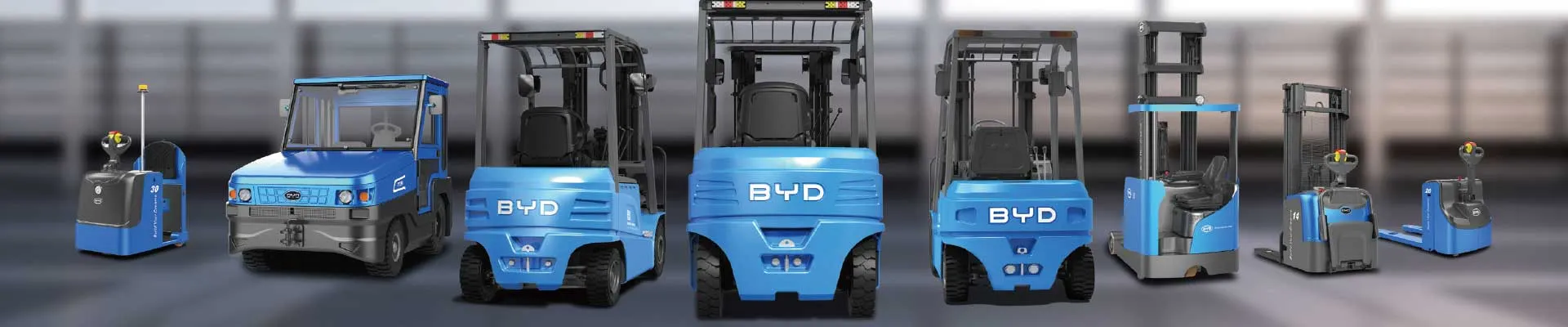
Against the backdrop of global low-carbon logistics transformation, electric forklifts have become one of the most widely applied material handling equipment in indoor warehouses, manufacturing workshops and distribution hubs. As a senior practitioner with years of experience in the electric forklift industry, we sort out practical, industry-recognized operation and maintenance knowledge to help relevant personnel grasp core points easily.
Core Operational Features of Modern Electric Forklifts
Unlike internal combustion counterparts, modern electric forklifts rely on power battery packs to provide power output, with no exhaust emission during normal operation, and the overall noise level during working status is much lower than traditional fuel-powered equipment. Most current models are designed with adjustable operation handles and human-machine interaction dashboards, which allow operators to quickly grasp real-time data such as remaining power, load weight and equipment operating status, to reduce misoperation risks in daily work. The load capacity of common civilian models ranges from 1 ton to 5 tons, which can meet the handling demands of most conventional storage scenarios without extra emission control modification.
Standard Daily Maintenance Protocols
Regular scientific maintenance is a core premise to keep electric forklifts in stable working condition for a long time. Before each shift, operators only need to complete simple checks including the surface of the battery shell, the flexibility of the lifting hydraulic lever, the sensitivity of the brake system and the clarity of the warning light to eliminate minor hidden dangers in time. After daily operation, users should wipe the dust and sundries attached to the body surface, and place the equipment in a cool and ventilated area that avoids direct sunlight exposure for charging, not in a humid environment with potential water accumulation. It is also recommended to arrange professional personnel to conduct in-depth inspection of the internal circuit system every 300 to 500 working hours, to prevent aging of wiring components that may affect normal use.
Scenario-based Usage Tips to Improve Comprehensive Benefits
In enclosed indoor warehouse scenarios with high pedestrian flow, operators should appropriately reduce the driving speed, and turn on the low-volume reminder sound when turning or passing the aisle intersection to avoid collision with surrounding staff or stacked goods. When carrying heavy loads close to the rated upper limit, it is suggested to keep the goods in the center of the forks, and avoid sudden acceleration or emergency braking during driving, to keep the equipment in a stable balance status. For long-term idle equipment, users need to charge the battery to 70% of the full capacity every 30 days, to avoid excessive power loss that reduces the overall cycle life of the power unit. Adhering to these small operation details can effectively reduce the overall operating cost of the equipment, and bring more stable use experience for front-line material handling work.


