
 简体中文
简体中文 Русский
 Français
 Português
 Español
 لالعربية
.jpg "Forklift Battery Repair vs Replacement: Making the Smart Call(figure1)")
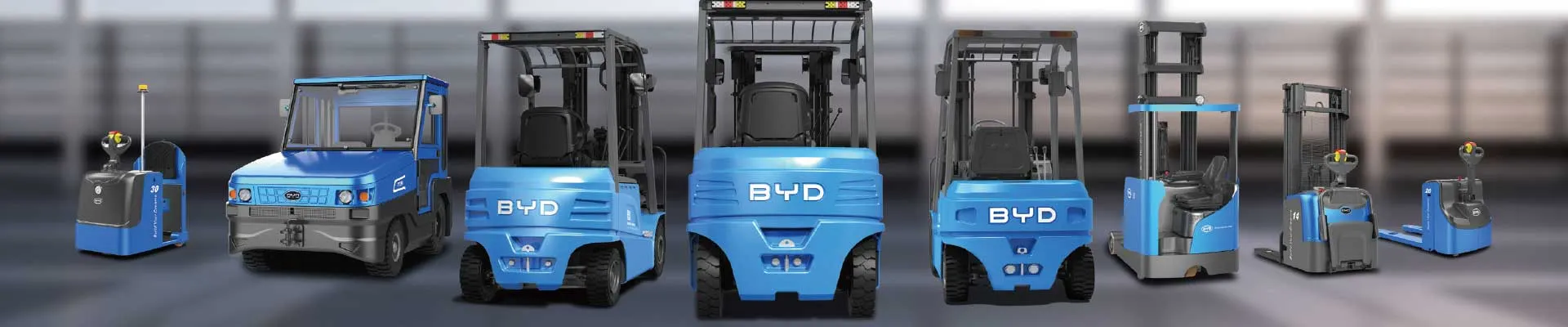
With the continuous promotion of low-carbon logistics concepts in recent years, electric forklifts have become one of the most widely used material handling tools in various scenarios such as warehouses, manufacturing workshops, and cold chain storage. Mastering correct use and management rules can help relevant personnel give full play to the performance of such equipment and avoid unnecessary operation risks.
Core Performance Advantages of Electric Forklifts
Different from traditional internal combustion handling equipment, electric forklifts rely on electric energy as power output, which produces no exhaust emission during the whole operation process, and will not cause air quality pollution to closed or semi-closed operation spaces. The low noise working state also avoids disturbing other staff working in the same area, which is more suitable for long-time continuous operation in indoor environments. In terms of daily energy consumption, the overall use cost per unit hour is relatively lower than that of fuel-powered equipment under the same load level.
Standard Operation Specifications for Electric Forklifts
Operators should receive targeted pre-job training before formally using the equipment, and be familiar with the layout of operating handles, warning devices and function buttons. During the operation process, staff should keep the driving line of sight unobstructed, avoid sharp turns at high speed, and strictly not exceed the rated load capacity marked on the equipment nameplate. When operating on ramps with a gradient, operators should keep the load facing the upward direction of the slope to prevent goods from slipping off the forks. For long-distance transfer of goods, the height of the forks should be kept 10 to 20 centimeters above the ground to avoid scratching the ground and damaging the goods.
Practical Daily Maintenance Rules
The power battery component is the core part of electric forklifts, and operators should avoid over-discharging the battery to a too low power level in daily use, and finish charging in a well-ventilated area that meets safety specifications. Before each shift, staff should check the wear degree of tires, the sensitivity of braking systems, and the tightness of the connecting parts of the forks to eliminate hidden risks in time. Regularly clean the dust and sundries accumulated on the surface of electrical interfaces, and add lubricating oil to the lifting and steering components according to the specified cycle, which can effectively extend the overall service life of the equipment. Following the above operation and maintenance rules can help teams give full play to the value of electric forklifts, and create a safer and more efficient material handling working environment.


