
 简体中文
简体中文 Русский
 Français
 Português
 Español
 لالعربية
.jpg "Forklift Battery Charging Safety: A Practical Checklist(figure1)")
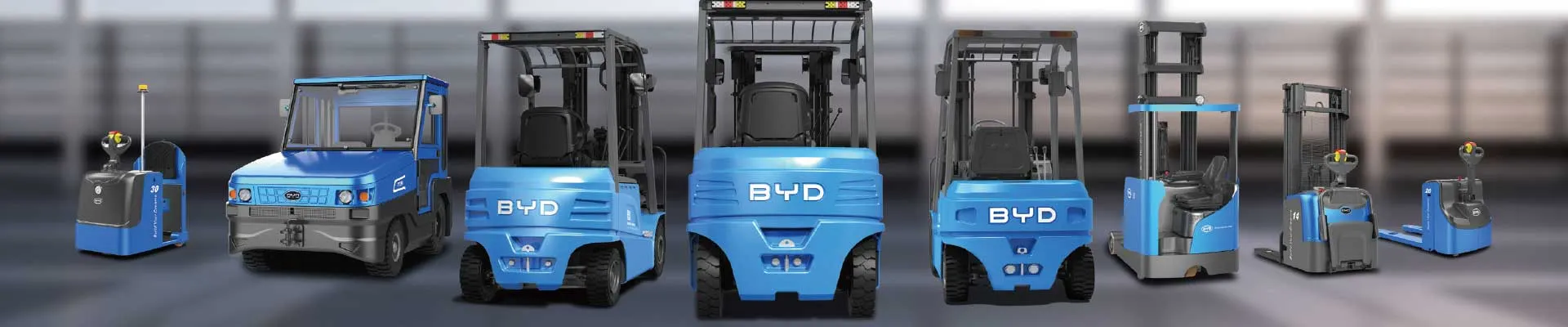
Electric forklifts have become one of the most widely applied material handling tools in modern indoor logistics scenarios, with growing adoption across different warehouse operation scenarios in recent years. Mastering the core application rules of such equipment helps operation teams stabilize daily handling efficiency and reduce unnecessary operation risks.
Core Functional Advantages for Indoor Scenarios
Unlike traditional internal combustion handling equipment, electric forklifts produce no local exhaust emissions during operation, which fits the environmental control requirements of enclosed warehouse spaces, cold storage areas and food storage zones. The overall operation noise level of qualified products is kept within a relatively low range, which will not cause excessive disturbance to on-site staff working nearby, and avoid interference with normal work order in intensive operation areas. The smooth power output also reduces the vibration of loaded goods during the moving process, lowering the probability of accidental damage to fragile transported items. Most products can match the load demand of regular daily warehouse handling tasks without extra transformation on site.
Standardized Daily Operation Norms
Before starting each shift, operators need to conduct a quick visual check on the remaining battery level, braking response, hydraulic lifting components and surrounding working environment, to confirm no hidden defects exist that may affect normal use. All staff who operate the equipment need to complete the corresponding basic skill training, and get familiar with the operation panel layout and response logic of the equipment. During operation, operators shall not exceed the rated load limit to transport goods, and no personnel shall stand under the lifted forks at any time. When moving in areas with dense pedestrian flow, the traveling speed should be kept at a safe low level, and warning prompts should be given in advance at turning points and blind areas to avoid accidental collision.
Routine Maintenance Practices for Longer Service Life
To maintain the good working condition of electric forklifts for a longer period, operation teams can arrange targeted daily management according to official guidance. The power battery shall not be over discharged on a regular basis, and the charging process shall be carried out in a well-ventilated designated area, to avoid safety risks caused by accumulated heat during charging. The surface of the vehicle body and electric connection ports can be cleaned at fixed intervals to reduce the risk of contact failure caused by dust accumulation. The hydraulic oil status can be checked periodically, and replacement can be arranged when the index does not meet the standard. When the equipment is not in use, operators shall lower the forks to the ground, pull the hand brake, and park the vehicle in the designated non-access passage area. With scientific operation and maintenance arrangements, electric forklifts can maintain stable working performance for a long time, effectively support the daily material handling work of the warehouse, and control the comprehensive operation cost within a reasonable range.


