
 简体中文
简体中文 Русский
 Français
 Português
 Español
 لالعربية
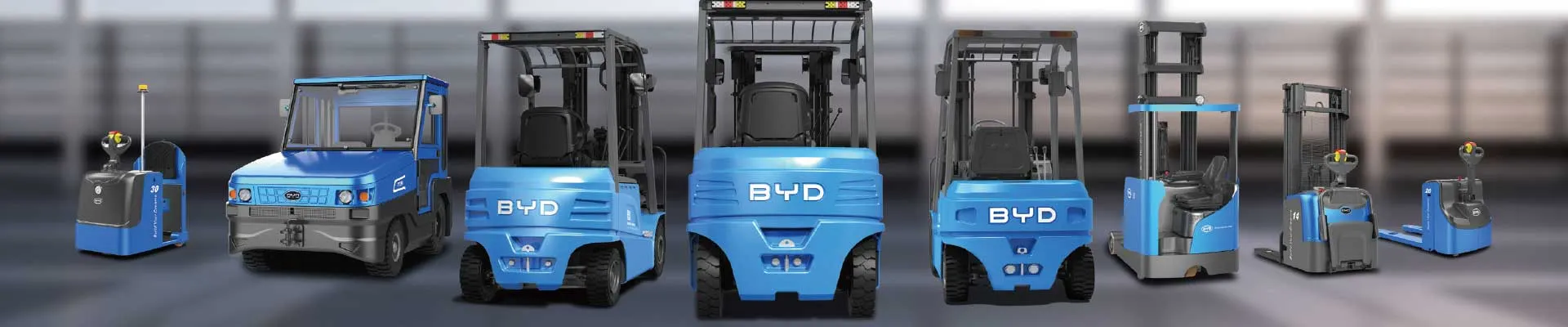
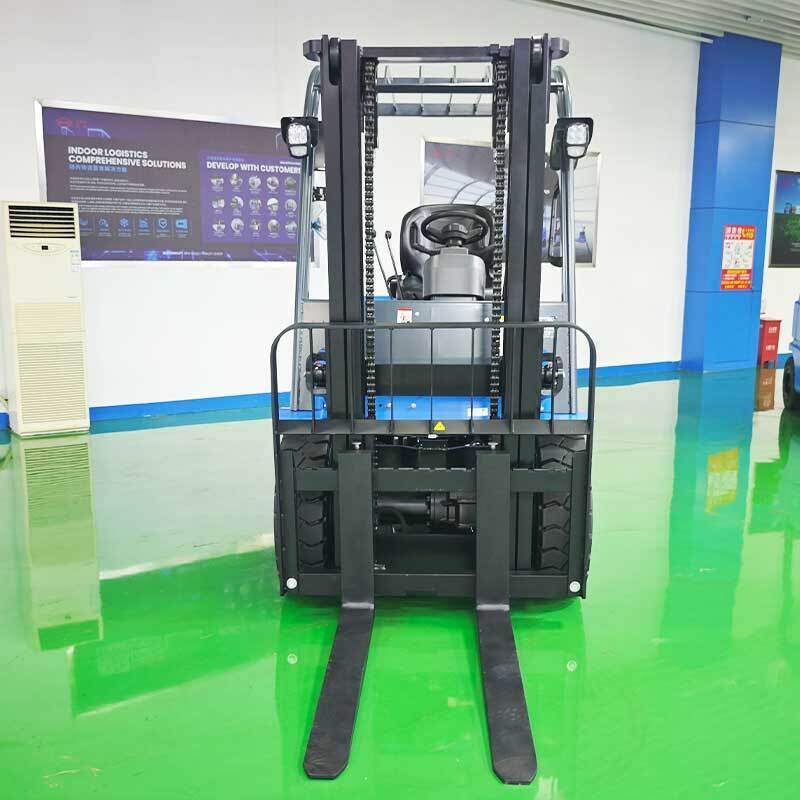
As low-carbon logistics concepts gain wider promotion across the industrial sector, electric forklifts have gradually become one of the most common handling equipment in closed warehouse, distribution center and manufacturing workshop scenarios. Reasonable use and proper maintenance of such equipment can effectively reduce unnecessary operation loss and bring stable output for daily material transfer work.
Core Functional Advantages of Electric Forklifts
Different from traditional internal combustion handling equipment, modern electric forklifts produce no exhaust emission at the operation site, and generate relatively low noise and vibration during the running process, which can create a more comfortable working environment for on-site staff. The energy consumption cost per unit running time of electric forklifts stays at a relatively stable level, which helps logistics teams make more predictable budget plans for daily operation expenditure, without being affected by frequent fluctuation of fuel market prices.
Standardized Daily Operation Guidelines
Before starting each shift, operators need to complete necessary pre-inspection work, including checking the remaining battery power, testing the flexibility of steering system and brake device, and confirming the intact state of load forks and safety protection components. During the operation process, operators should avoid carrying loads that exceed the rated load capacity marked on the equipment body, keep a safe distance with surrounding goods, shelves and pedestrians, and avoid frequent sharp acceleration or sudden braking that may cause extra wear of core components.
Routine Maintenance Suggestions for Extended Service Life
For the energy storage battery of electric forklifts, staff should follow the official charging specifications, avoid deep discharge that drains the power completely, and prevent long-time overcharging after the battery is fully filled. It is also necessary to clean the dust and sundries on the surface of the equipment regularly, check the wear degree of solid tires or pneumatic tires, confirm there is no leakage phenomenon on the hydraulic lifting system, and add appropriate amount of lubricating grease for the connecting movable parts at regular intervals to reduce friction loss.
Proper Scenario Matching to Improve Use Efficiency
Before putting electric forklifts into daily use, teams can evaluate the actual site conditions in advance, including the width of operation passages, the maximum height of goods stacking, the average weight of daily transferred materials, and the temperature and humidity level of the working environment, so as to arrange equipment with appropriate parameters, avoiding unnecessary performance waste or insufficient load capacity that may affect normal work rhythm.


