简体中文
 Русский
 Français
 Português
 Español
 لالعربية

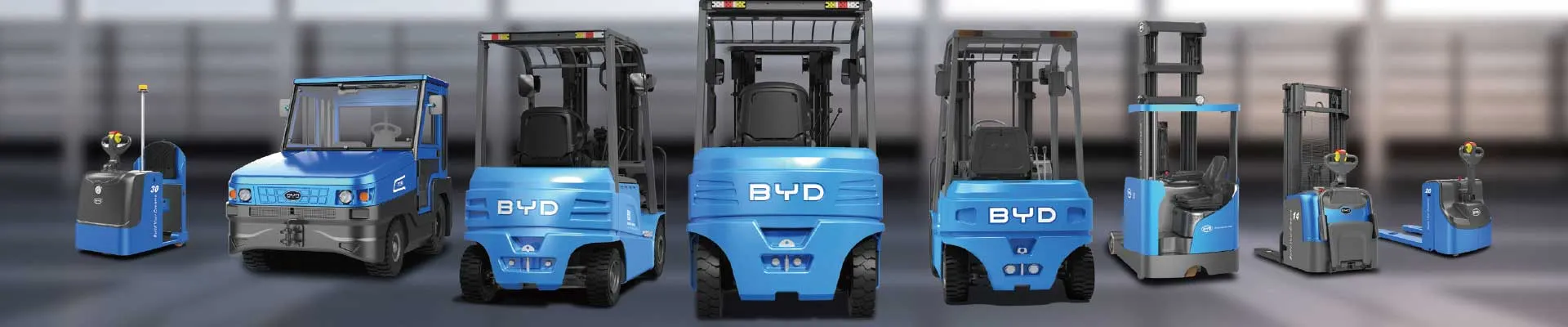
In recent years, the rapid development of Uganda’s logistics parks, agricultural processing zones, port terminals and airport transfer scenarios has driven growing demand for reliable tow tractors for in-site material haulage. Most operation teams used to rely on fuel-powered tow tractors for daily transfer work, but few have made systematic calculation on the actual hourly energy cost during long-term operation.
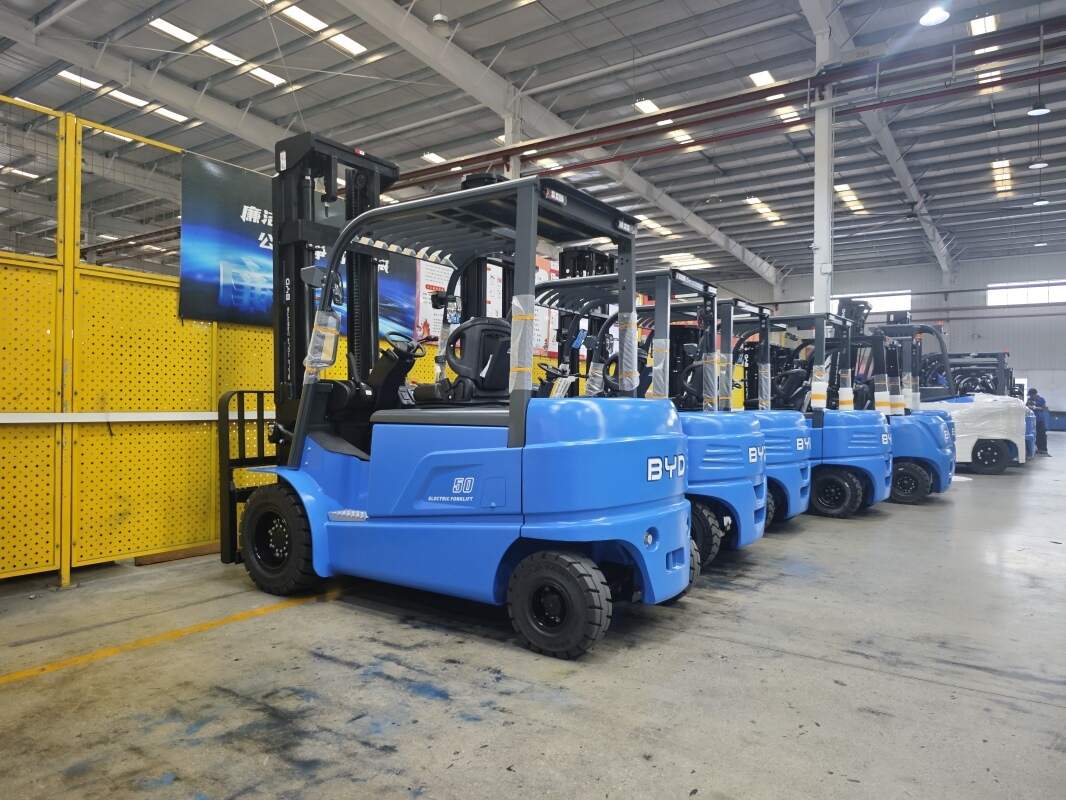
As Jianshu New Energy, a professional service provider focusing on BYD electric forklifts and supporting new energy material handling equipment, we have collected local utility price data in Uganda in recent years to deliver a fair and practical reference for local operation teams. At present, the average industrial electricity price for commercial and industrial users in Uganda stays at a stable level, while the retail price of diesel for commercial use fluctuates obviously affected by international trade and supply chain conditions. For a standard 3-ton tow tractor that operates 8 hours per day, the average hourly power consumption of the electric model is at a relatively low level, which converts to far lower hourly energy cost than the same tonnage fuel-powered counterpart.
There are several key factors that will affect the actual hourly energy cost of tow tractors in local operation scenarios. The first factor is the average load weight of each haulage cycle, overloading beyond the rated limit will push up energy consumption significantly. The second factor is the site pavement condition and slope, large continuous slope sections will increase extra energy output of the equipment. The third factor is daily operation habit and regular maintenance, standardized maintenance for power system and running parts can keep the equipment running at optimal energy efficiency status.
For most local Uganda operation teams that run tow tractors for 6 to 12 hours per day, the long-term accumulated cost advantage of electric tow tractors is quite obvious. Besides the lower direct hourly energy cost, there is no extra expense for engine oil replacement, exhaust system maintenance and other routine service items for fuel equipment, no tail gas emission also helps teams meet local environmental protection requirements. If you need a customized energy cost assessment solution for your specific operation scenarios, you can contact us at [email protected] for more professional support.