
 简体中文
 Русский
 Français
 Português
 Español
 لالعربية

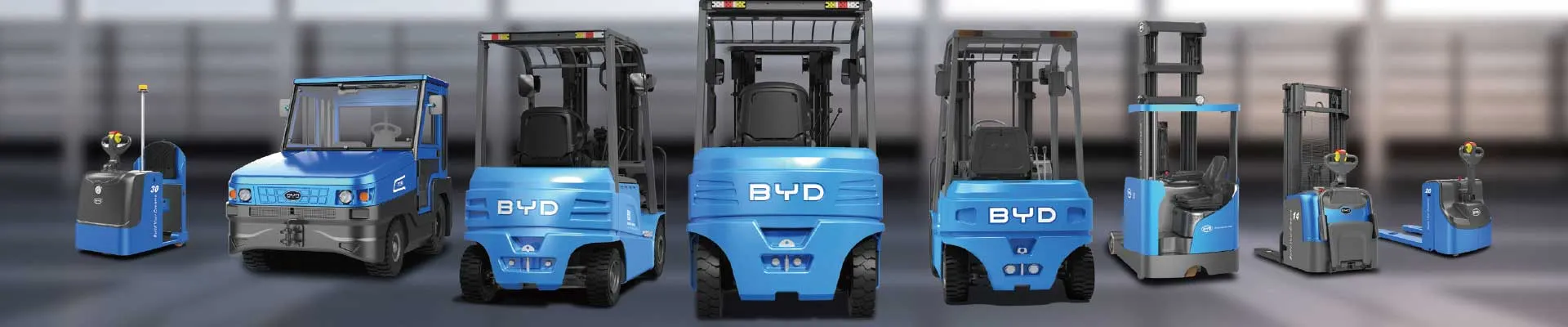
As the core logistics and trade hub of West Africa, Lagos has seen rapid growth of warehouses, distribution centers and port cargo yards in recent years. Stackers, as the core material handling equipment for short-distance cargo stacking and transfer, are facing diverse selection demands from local operators. Many enterprise decision-makers often hesitate between diesel-powered stackers and electric stackers at the initial procurement stage, and tend to only focus on the one-time purchase price while ignoring the cumulative cost during the long-term operation period.
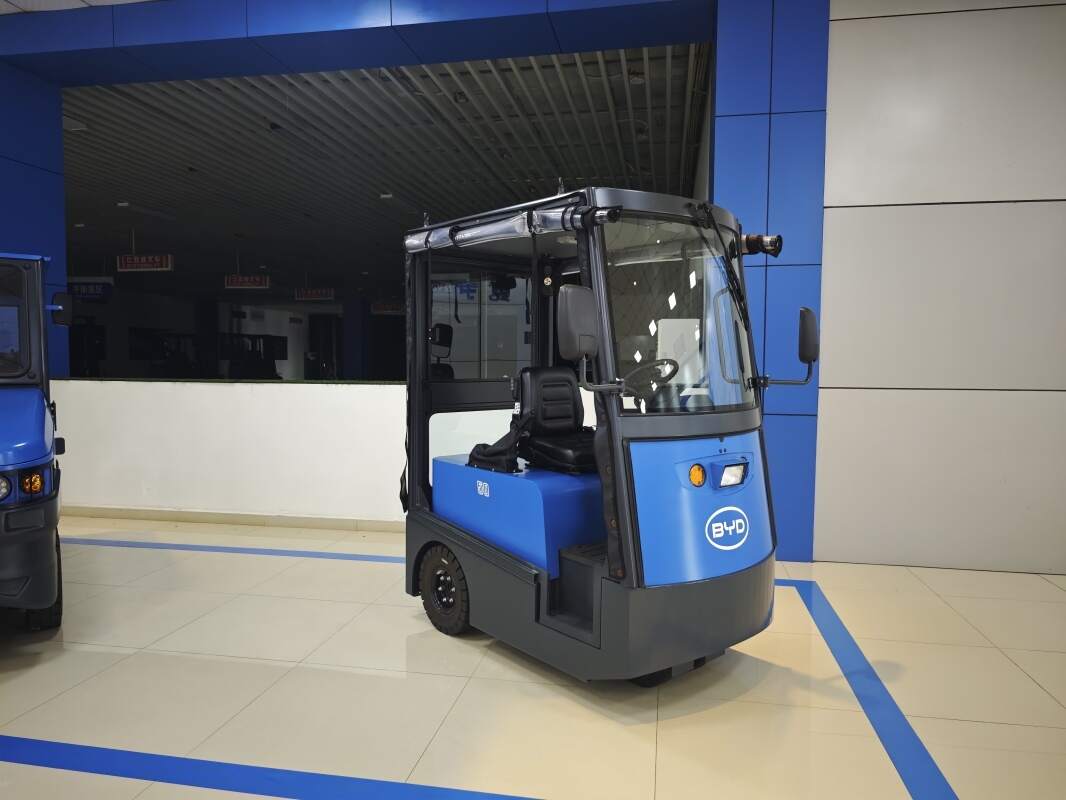
When calculating the full lifecycle cost, the first dimension to compare is daily energy consumption expenditure. The retail price of diesel in Lagos has long been affected by international oil price fluctuations and supply chain instability, and the unit operating cost of diesel stackers per hour remains at a relatively high level. In contrast, local industrial electricity prices are much more stable, and the energy cost of electric stackers per hour is far lower than that of diesel models, which can bring continuous cost reduction benefits for equipment that runs more than 4 hours a day.
The subsequent maintenance cost gap is also obvious. Diesel stackers have a large number of internal combustion engine related components, including fuel supply systems, exhaust treatment devices and lubrication circulation systems, which need regular replacement of engine oil, filter elements and other consumables, and frequent troubleshooting of power system failures. Electric stackers have fewer moving parts, no complex internal combustion engine structure, and the daily maintenance work is only concentrated on battery state inspection and basic component fastening, which greatly reduces the annual maintenance labor cost and consumable expenditure.
There are also many hidden cost items that are easily overlooked. In recent years, Lagos has gradually introduced stricter urban air emission control regulations, and high-emission diesel stackers may face restricted access in central urban warehouse areas and closed storage spaces, and additional environmental related fees may also be incurred. Electric stackers produce no exhaust gas during operation, have low noise, and do not produce additional health damage risks for long-term on-site operators, which can help enterprises avoid additional hidden expenditure.
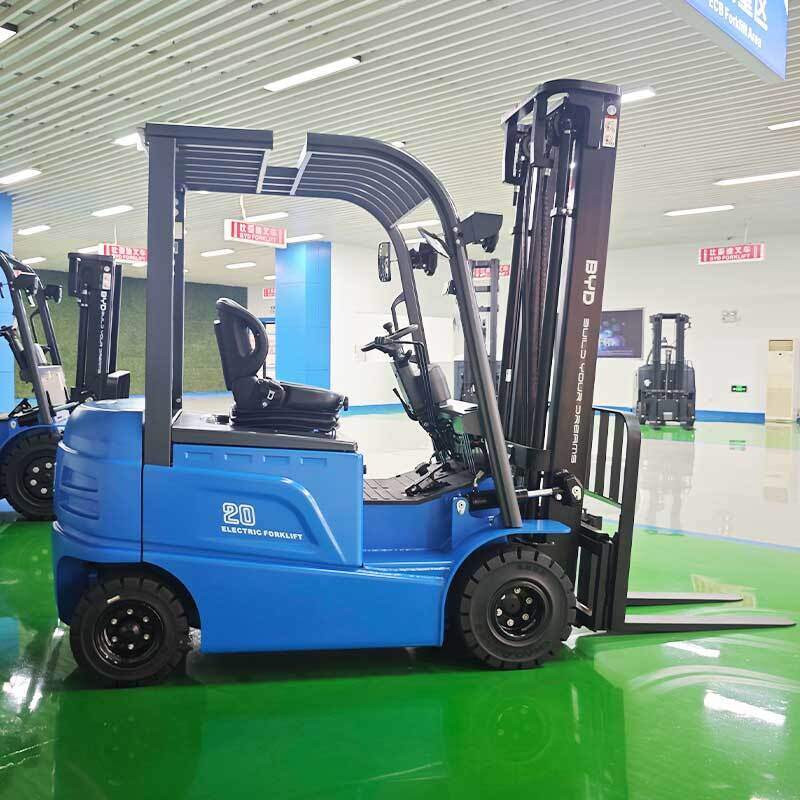
As Jian Shu New Energy, we focus on providing high-quality BYD electric forklift products and supporting services for local users. We can provide targeted stacker configuration and cost accounting plans according to the actual operation scenarios of different users in Lagos. If you have relevant demands for material handling equipment, you can contact us via [email protected] for more detailed information.


